






What's Happening?
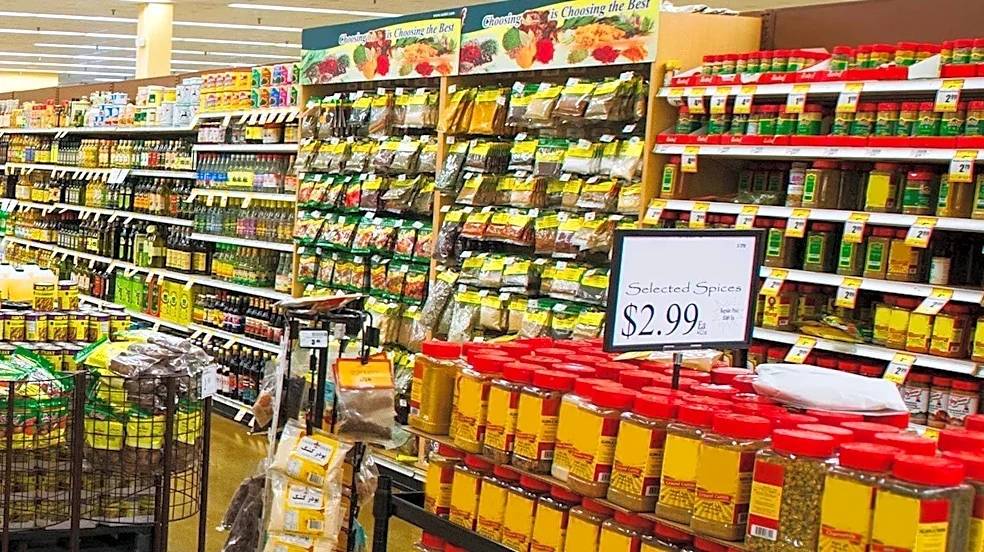
Meridian Grocery in Newton, Kansas, is providing an alternative for Kansans seeking affordable groceries. Owner Kenton Dirks explains that the store acquires products that have been returned from larger retailers or are considered 'bent and dent' items,
allowing them to be sold at a lower cost. These groceries, which have already passed through distribution centers and retail stores like Walmart or Dillons, are regrouped and sent to Meridian Grocery. The store sorts these unsorted boxes in-house, enabling them to offer products at prices generally lower than those found in larger chain stores. Additionally, Meridian Grocery buys certain items, such as fresh apples and peaches, in bulk, further reducing costs for customers. Despite these efforts, Dirks notes that the store is not immune to price fluctuations, particularly due to rising freight costs influenced by truck fuel prices. The store also offers a unique variety of products, sourcing from local suppliers and as far as the east coast, which appeals to customers like Virginia Crandall, who appreciates the freshness, variety, and affordability.
Why It's Important?
This development is significant for U.S. consumers, particularly in regions facing increasing grocery prices. Meridian Grocery's business model addresses a critical need for affordable food options, directly impacting household budgets and food security for many families. By repurposing returned or slightly damaged goods, the store contributes to reducing food waste, an environmental and economic concern. The ability to offer lower prices, even with fluctuating freight costs, highlights an innovative approach to retail that could inspire similar models in other communities. This also demonstrates how smaller, local businesses can carve out a niche by focusing on value and unique product sourcing, challenging the dominance of larger chain supermarkets. For consumers, it means access to a wider range of products, including those from local suppliers, which can support local economies and offer diverse culinary options.
What's Next?
The success of Meridian Grocery's model could lead to increased interest in similar 'opportunity buyer' grocery stores across the U.S., especially if economic pressures continue to drive up food costs. Other entrepreneurs and communities might explore replicating this approach to provide affordable food access and reduce waste. Consumers, increasingly conscious of both price and sustainability, may actively seek out such alternative grocery options. The store's continued adaptation to freight price fluctuations will be crucial for its long-term viability, potentially influencing its sourcing strategies or pricing adjustments. Furthermore, the unique variety offered by Meridian Grocery could encourage other local businesses to collaborate with similar models, fostering a more diverse and resilient local food supply chain.
Beyond the Headlines
The emergence of stores like Meridian Grocery points to a broader societal shift towards resourcefulness and sustainability in the face of economic challenges. This model not only provides economic relief but also subtly redefines consumer perceptions of 'damaged' or 'returned' goods, promoting a less wasteful consumption culture. It highlights the ethical dimension of food distribution, where perfectly edible items might otherwise be discarded. The store's emphasis on community and necessity, as expressed by Kenton Dirks, underscores the social role that local businesses can play beyond mere commerce. This trend could also influence policy discussions around food waste reduction and support for alternative retail models, potentially leading to incentives for businesses that adopt similar sustainable practices. It reflects a growing consumer demand for transparency and value, pushing the retail sector to innovate beyond traditional supply chains.