




What's Happening?
Secondhand fashion is experiencing a surge in popularity, driven by both its stylistic appeal and significant environmental advantages. Consumers are increasingly turning to thrift stores and online resale platforms to find unique items and reduce their
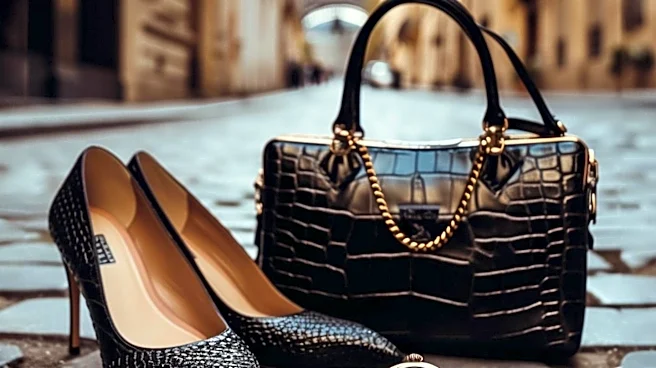
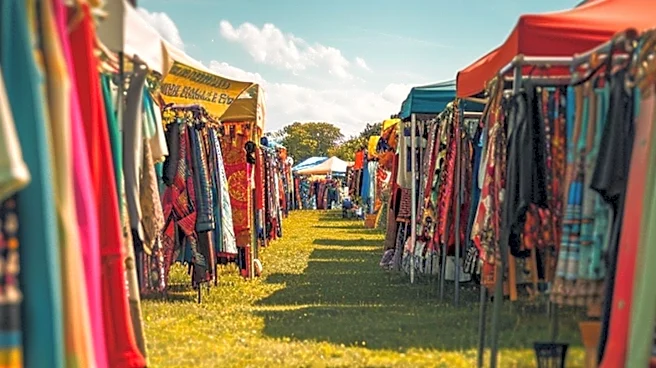
environmental footprint. The trend encompasses a wide range of products, from affordable everyday wear to designer pieces and even wedding dresses. While some online communities, such as Reddit users, express skepticism regarding the quality of certain secondhand items, many others highlight the crucial role of secondhand shopping in mitigating landfill waste and combating overconsumption within the fashion industry. Various types of secondhand outlets cater to different preferences, including curated stores like Plato’s Closet for designer finds, and bin stores offering extremely low prices based on weight. Online platforms like Depop and Poshmark are also becoming favored destinations for luxury resale.
Why It's Important?
The growing embrace of secondhand fashion carries substantial implications for the U.S. retail industry, environmental sustainability, and consumer behavior. Environmentally, it directly addresses the issue of textile waste, a major contributor to landfills, and promotes a circular economy by extending the life cycle of clothing. This shift challenges the traditional fast fashion model, which relies on rapid production and consumption, often with significant environmental costs. Economically, the secondhand market creates new business opportunities for resale platforms and brick-and-mortar thrift stores, while also offering consumers more affordable and unique clothing options. Socially, it fosters a culture of conscious consumption and individuality, moving away from mass-produced trends. The increasing demand for secondhand goods could also influence how new clothing is designed and produced, pushing brands towards more durable and timeless styles.
What's Next?
The trajectory of secondhand fashion suggests continued growth and innovation within the sector. We can anticipate further expansion of online resale platforms, potentially integrating more advanced authentication technologies for luxury items. Brick-and-mortar thrift stores may evolve to offer more curated selections and enhanced shopping experiences to compete with online counterparts. There could also be an increase in collaborations between traditional retail brands and secondhand platforms, or even the launch of in-house resale programs by major fashion labels. Policy discussions might emerge around incentivizing textile recycling and discouraging fast fashion practices. Consumers are likely to become even more discerning, seeking out high-quality, durable secondhand items, and prioritizing brands with strong sustainability credentials. The emphasis on washing items before wearing, particularly from bin stores, will remain a practical consideration for shoppers.
Beyond the Headlines
Beyond the immediate economic and environmental benefits, the rise of secondhand fashion reflects deeper cultural shifts. It signifies a growing rejection of disposable consumerism and an embrace of authenticity and individuality. The act of thrifting often involves a treasure hunt, fostering a sense of discovery and personal style that contrasts with the uniformity of mainstream fashion. This movement also highlights ethical considerations within the fashion supply chain, prompting consumers to question the origins and production methods of new garments. The accessibility of secondhand clothing democratizes fashion, allowing individuals from diverse economic backgrounds to access stylish and quality items. Furthermore, the community aspect, evident in online discussions and local thrift store culture, underscores a collective desire for more sustainable and meaningful consumption practices, potentially influencing broader societal values regarding ownership and resource utilization.