







What's Happening?
The article explores how AI has transformed the concept of scarcity, shifting it from production to attention. While AI makes information and content production abundant, it relocates scarcity to areas like human attention and physical resources. For
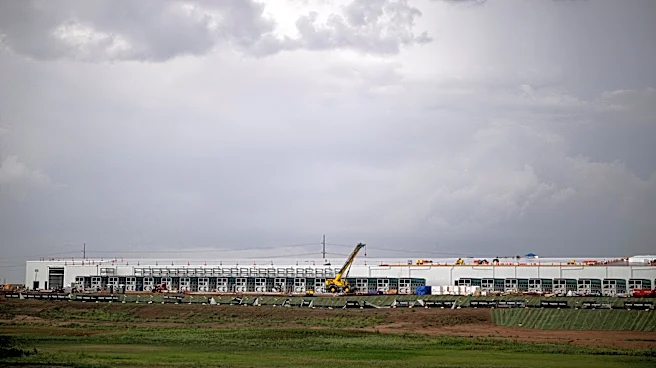
instance, data centers in Texas are projected to use significant water resources, highlighting a new form of scarcity. The abundance of AI-generated content has devalued certain skills, such as translation and basic writing, as these become more commodified. The article emphasizes the need for businesses to identify and manage new scarcities, such as attention and trust, to maintain competitive advantage.
Why It's Important?
Understanding the shift in scarcity is crucial for businesses and industries adapting to the AI-driven economy. As AI reduces production costs, the value migrates to areas that remain scarce, such as human attention, trust, and physical resources. This shift necessitates a strategic reevaluation of business models, focusing on what remains scarce and valuable. Companies that can effectively manage and capitalize on these new scarcities will likely gain a competitive edge. The article highlights the importance of recognizing and adapting to these changes to ensure sustainable growth and profitability in an AI-dominated landscape.