







What's Happening?
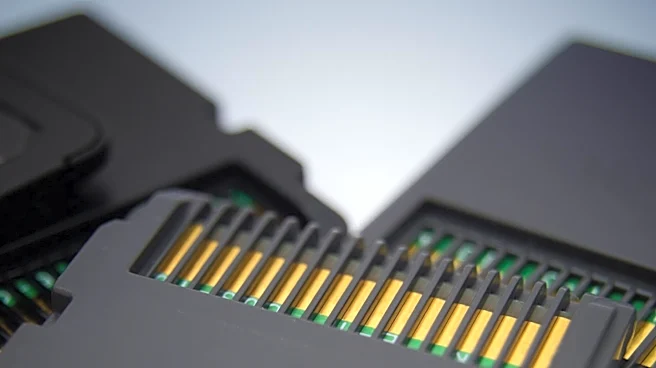
A global memory shortage is significantly impacting the tech industry, with smaller companies facing an existential crisis. The shortage, driven by the AI boom, has led to soaring costs for memory components, affecting the production of electronic devices.
While tech giants like Apple and Microsoft have announced price hikes to cope with the increased costs, smaller companies like Mono Technologies and GoPro are struggling. Mono Technologies, for instance, has seen the cost of DRAM for its products increase dramatically, forcing it to consider raising prices or reducing memory in its devices. The shortage is also affecting companies in various sectors, including telecommunications and medical devices.
Why It's Important?
The memory shortage highlights the vulnerabilities in the global supply chain and the challenges faced by smaller tech companies. As memory costs rise, these companies may struggle to remain competitive, potentially leading to business closures or reduced innovation. The situation underscores the importance of supply chain resilience and the need for diversification in sourcing components. For larger companies, the ability to absorb costs and leverage supply chain advantages provides a buffer, but the broader industry impact could lead to higher consumer prices and reduced availability of electronic products.
What's Next?
The memory shortage is expected to persist, with further price increases anticipated. Companies may need to explore alternative strategies, such as securing long-term supply agreements or investing in new technologies to mitigate the impact. Policymakers and industry leaders may also need to address the underlying causes of the shortage and consider measures to enhance supply chain resilience. As the situation evolves, the tech industry will need to adapt to the changing landscape, balancing cost pressures with the need to innovate and meet consumer demand.