




What's Happening?
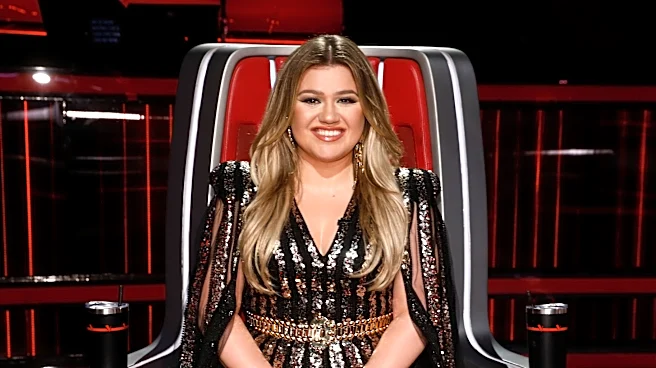
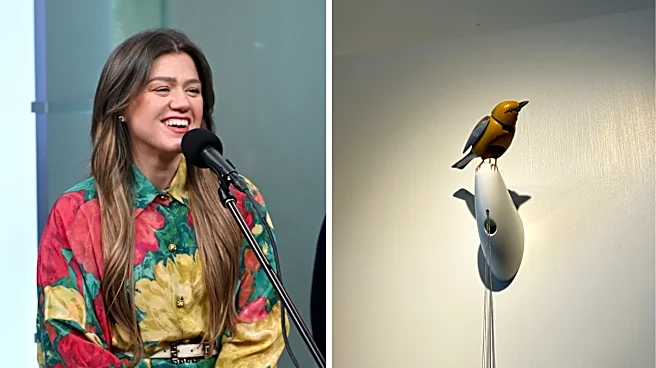
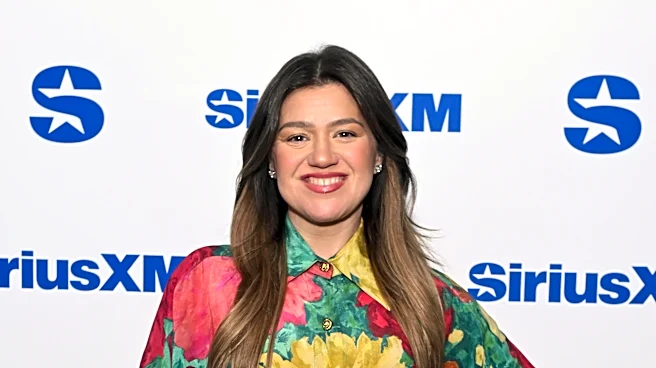
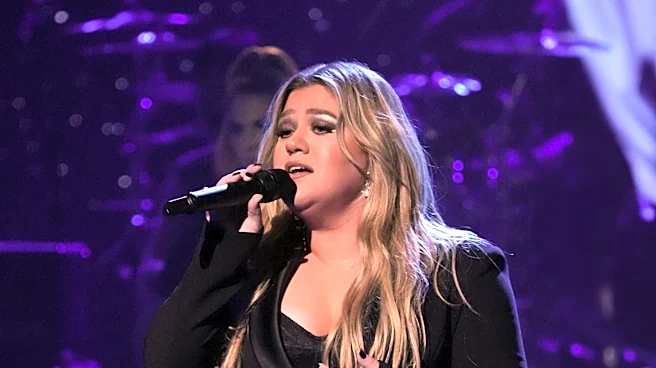
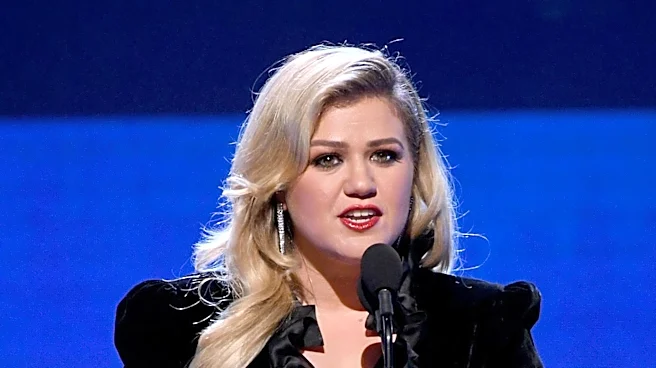
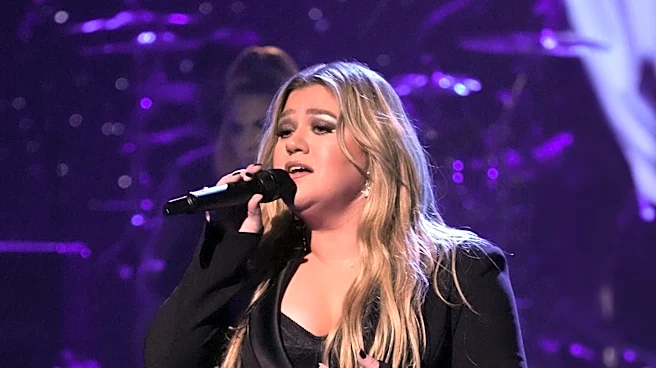
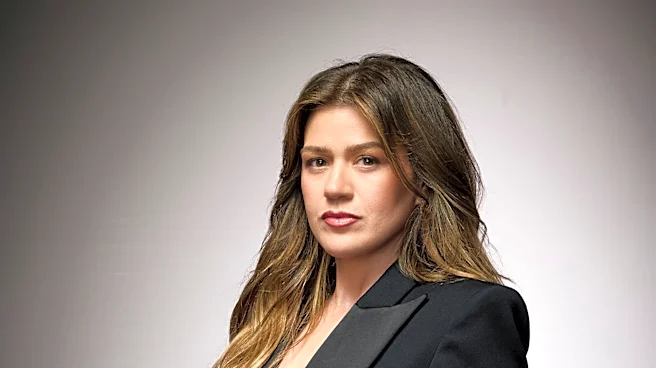
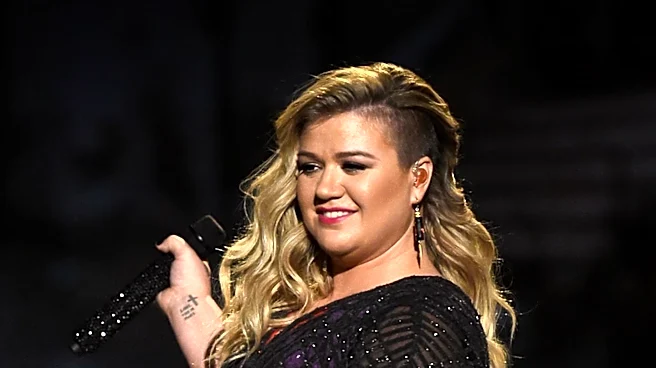
Adam Rubin, co-owner of Art of Play, a Brooklyn-based shop, has responded to a viral social media complaint made by Kelly Clarkson. Clarkson alleged on X that she was treated as if she couldn't afford an item during a visit to the store, comparing the experience
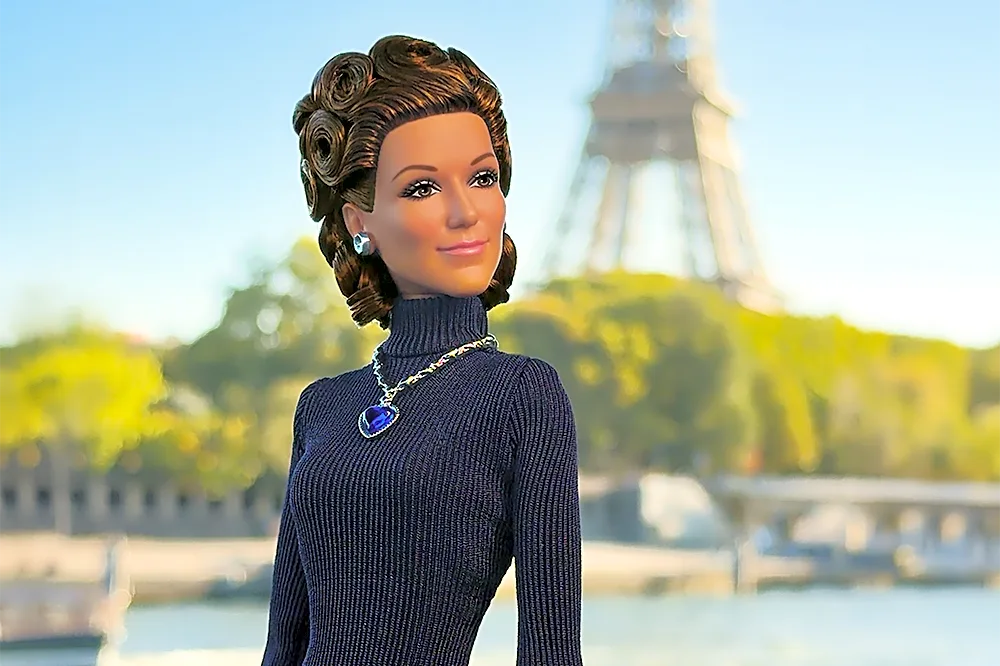
to a scene from 'Pretty Woman.' Rubin stated that Clarkson had attempted to purchase 'Molly,' a one-of-a-kind bird automaton that was not for sale. Following Clarkson's post, which garnered over 45 million views, Art of Play has reportedly faced significant online hate and threats. Rubin described the situation as if Clarkson 'threw a Molotov cocktail at us,' leading to a barrage of negative attention for the local retailer. The store has since put the bird automaton up for sale for $15 million. Rubin also mentioned that angry Clarkson fans appeared outside the shop.
Why It's Important?
This incident highlights the significant impact of celebrity social media influence on small businesses. A single post from a public figure with a large following can rapidly escalate into a major public relations crisis, leading to online harassment and potential real-world consequences for the business and its employees. The disparity in reach between a global superstar like Kelly Clarkson and a local retailer like Art of Play demonstrates the uneven playing field in such disputes. It also raises questions about the responsibility of public figures when sharing negative experiences online, particularly when those experiences can be interpreted differently by the involved parties. The situation underscores the power of social media to shape public perception and generate immediate, widespread reactions, regardless of the full context of an event.
What's Next?
The immediate future for Art of Play likely involves managing the ongoing fallout from the viral complaint, including addressing online threats and negative publicity. Adam Rubin has indicated that he would welcome Clarkson back, but she would receive the same treatment as any other customer, suggesting a continued stance on their part. The sale of the 'Molly' bird automaton for $15 million could be seen as a satirical response or an attempt to capitalize on the unexpected attention. The involvement of an investigative journalist, Pablo Torre, suggests that the story may continue to evolve as more details emerge or as other parties weigh in. The incident could also prompt broader discussions about customer service expectations, celebrity privilege, and the ethics of public shaming on social media platforms.
Beyond the Headlines
Beyond the immediate dispute, this event touches upon deeper societal implications regarding digital communication and consumer culture. It exemplifies how a personal anecdote shared online can quickly transform into a public spectacle, blurring the lines between private interactions and public discourse. The incident also brings to light the vulnerability of small businesses to online mob mentality, where narratives can be shaped and amplified without full verification. Ethically, it prompts consideration of the power dynamics inherent in celebrity-consumer interactions and the potential for disproportionate consequences. Culturally, it reflects a growing trend where social media platforms serve as informal courts of public opinion, capable of delivering swift, albeit often unnuanced, judgments that can significantly impact individuals and businesses.