
What's Happening?
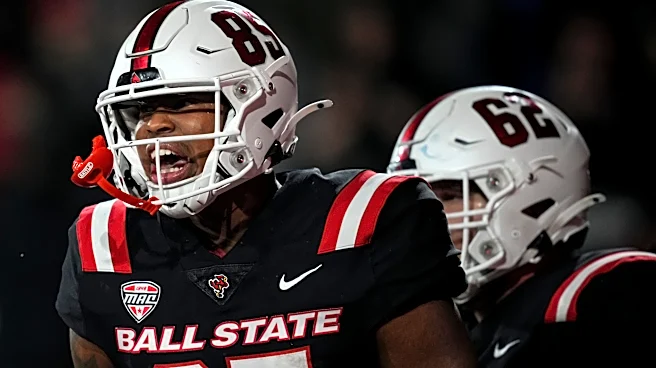
Lincoln High School's football team in Northern California was compelled to delete its viral media day photo shoot from the internet after receiving a legal threat from In-N-Out Burger's trademark team.
The team, known as the Fighting Zebras, had conducted their annual media day at a local In-N-Out restaurant in Lincoln, posting a photo gallery and an Instagram reel of behind-the-scenes footage. The photos depicted players posing as if they were working at the drive-thru or taking orders inside the restaurant. The fast-food chain's legal team sent an email to the photographer, Glenn Silva, stating that the unauthorized use of their premises, signage, logos, or other proprietary elements constituted a violation of their intellectual property rights. Despite one of Silva's videos garnering over 600,000 views, the content was removed.
Why It's Important?
This incident highlights the stringent protection of intellectual property and brand image by corporations, even in seemingly innocuous contexts like a high school sports team's media day. For In-N-Out Burger, maintaining control over its brand identity is crucial for its market position and consumer perception. The company's action underscores the legal boundaries surrounding commercial trademarks and the unauthorized use of corporate assets, regardless of intent. For the high school team, the event serves as a lesson in intellectual property law and the potential repercussions of using commercial brands without explicit permission. It also demonstrates how quickly viral content can attract corporate attention and the power corporations wield in controlling their public image.
What's Next?
Lincoln High School's football team will likely be more cautious in future media day planning, ensuring they obtain proper permissions before incorporating commercial brands or locations. Other high school sports teams and organizations may also take note of this incident, leading to increased awareness and adherence to intellectual property guidelines when planning public events or social media campaigns. In-N-Out Burger will likely continue to monitor its brand's usage to protect its trademarks. This event could also prompt discussions within schools and athletic departments about educating students and staff on intellectual property rights and responsible social media practices, especially when engaging with corporate entities.
Beyond the Headlines
This situation delves into the broader implications of digital content creation and the intersection of local community activities with corporate branding. In an era where content can rapidly go viral, the lines between personal expression, community engagement, and commercial exploitation can become blurred. The incident raises questions about the balance between a company's right to protect its brand and the potential for positive, organic publicity generated by local community events. It also highlights the evolving nature of intellectual property enforcement in the digital age, where even seemingly harmless fan-generated content can trigger legal action. This case could contribute to a growing body of examples illustrating the need for clear guidelines and mutual understanding between brands and the public in the realm of social media and content sharing.