







What's Happening?
Embraer's E175 aircraft continues to hold approximately 80% of the U.S. regional jet market. This dominance is largely due to existing scope clauses in pilot agreements at major U.S. airlines like American, Delta, and United. These clauses cap partner-flown
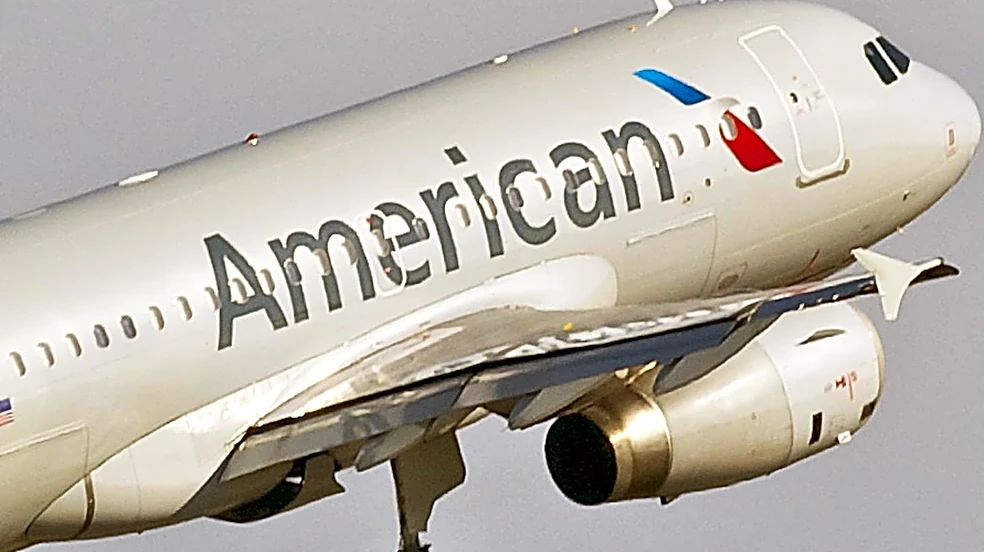
aircraft at 76 seats and a maximum takeoff weight of 86,000 pounds. Consequently, the larger and heavier E175-E2, the successor to the E175, is effectively blocked from entering the U.S. regional market. Embraer had suspended the development of the E175-E2 in 2022 because these U.S. scope clauses prevented its adoption by regional carriers. American Airlines has recently begun receiving new E175s equipped with upgraded cabins, featuring new-generation Recaro seats designed to enhance passenger comfort and align the regional flight experience with mainline aircraft standards. This is part of a larger order American placed in 2024 for 90 E175s, with options for 43 more, all configured with 76 seats to comply with current scope clause limits. Embraer is also investing in other improvements for the E175 platform, including enhanced data connectivity and next-generation weather radar.
Why It's Important?
The continued dominance of the Embraer E175 in the U.S. regional jet market has significant implications for the aviation industry and air travel. Scope clauses, originally designed to protect mainline pilot jobs, are effectively dictating the types of aircraft regional airlines can operate. This limits competition and innovation in the regional jet segment, as newer, more fuel-efficient, and potentially more comfortable aircraft like the E175-E2 cannot be deployed. For passengers, the ongoing upgrades to the E175, such as the new Recaro seats and improved connectivity, aim to enhance the travel experience on regional flights, making them more consistent with mainline services. However, the inability to introduce larger, more modern regional jets could lead to higher operating costs for airlines in the long run, which may eventually translate to higher fares for consumers. The situation also highlights the power of labor agreements in shaping fleet strategies and market dynamics within the U.S. airline industry, impacting manufacturers like Embraer and their product development cycles.
What's Next?
American Airlines plans to continue receiving new E175s and updating its existing regional fleet, with the goal of replacing smaller 50-seat aircraft by the end of the decade. This strategy will result in a regional fleet composed entirely of two-class jets, increasing the proportion of 76-seat aircraft. Envoy Air and SkyWest are also scheduled to receive additional E175s in 2026 and 2027 to support American Eagle services and replace older CRJ700s. The future of the E175-E2 in the U.S. market remains uncertain, as its entry is contingent on potential changes to scope clauses in pilot agreements. Without such changes, Embraer will likely continue to focus on modernizing and enhancing the existing E175 platform to maintain its competitive edge. The ongoing investment in cabin upgrades and technological advancements for the E175 suggests a long-term commitment to the aircraft's role in regional aviation, despite the limitations imposed by current U.S. regulations.
Beyond the Headlines
The persistent influence of scope clauses on the U.S. regional aviation market extends beyond fleet composition and passenger comfort, touching upon broader economic and strategic considerations. These clauses, while intended to safeguard employment for mainline pilots, inadvertently create a barrier to entry for advanced aircraft technology and potentially hinder the overall efficiency and environmental performance of regional fleets. The inability to introduce more modern and efficient aircraft like the E175-E2 could lead to a slower adoption of greener aviation technologies in the regional sector. Furthermore, this situation underscores the complex interplay between labor unions, airline management, and aircraft manufacturers in the highly regulated U.S. aviation industry. The long-term implications could include a widening gap between the technological capabilities of regional fleets in the U.S. compared to other global markets, potentially impacting the competitiveness of U.S. regional carriers and the choices available to passengers.