





What's Happening?
Kimberly M. Burbank, a sports medicine physician at UCLA Health, is advocating for a daily five-minute routine of basic static and dynamic exercises to improve balance and stability. These exercises are designed to be simple, require little to no equipment,
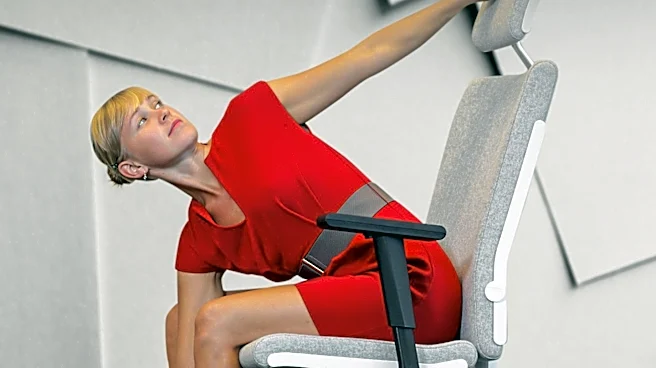
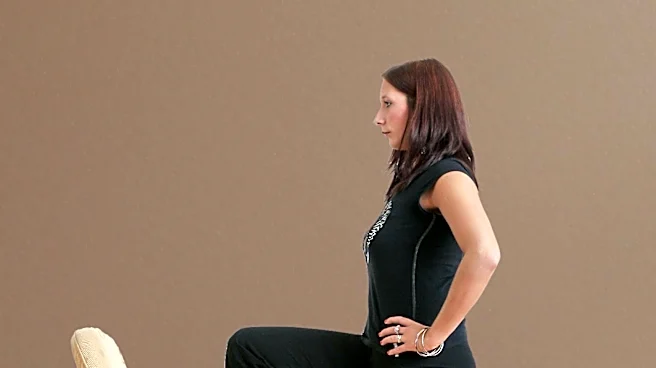
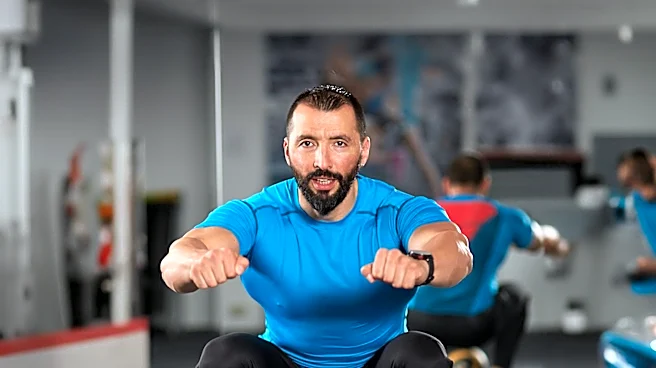
and can be performed at home. The routine includes four specific exercises: static airplane shallow squats, static side lean balance holds, dynamic heel-to-toe walks, and dynamic body weight lunges. Burbank emphasizes that consistent, short investments of time are more effective than infrequent, longer sessions for training the neuromuscular system. The exercises aim to build hip stability, side-to-side stability, walking balance coordination, and strengthen legs, hips, and core.
Why It's Important?
Improving balance through consistent exercise is crucial for maintaining a longer, healthier life, particularly as individuals age. Good balance reduces the risk of falls, which can lead to serious injuries and decreased independence. For older populations, enhanced balance can significantly boost confidence in daily activities, allowing for greater mobility and participation in social events like visiting theme parks. Beyond fall prevention, these exercises contribute to overall functional strength and coordination, which are vital for everyday tasks and maintaining an active lifestyle. The accessibility of these exercises, requiring minimal equipment and time, makes them a practical solution for a wide range of individuals seeking to improve their physical well-being.
What's Next?
Individuals can immediately begin incorporating these recommended balance exercises into their daily routines. The progression of these exercises involves increasing the depth of squats, holding light weights, performing exercises on uneven surfaces, or increasing the depth of lunges. Burbank suggests that once a foundational balance is established, individuals can explore more complex balance training maneuvers or activities such as surfing or skateboarding. The long-term goal is to build confidence in day-to-day living and reduce the likelihood of falls, thereby promoting a more active and independent lifestyle for all ages.
Beyond the Headlines
The emphasis on simple, accessible balance exercises highlights a broader shift towards preventative health measures that can be integrated into daily life without significant financial or time commitments. This approach underscores the importance of neuromuscular training, which involves the brain's ability to control muscle movement and maintain stability. The concept of 'static and dynamic exercises working in harmony' points to the comprehensive nature of balance, requiring both the ability to hold a position and maintain control while moving. This focus on foundational movements can empower individuals to take proactive steps in managing their physical health, potentially reducing the burden on healthcare systems by preventing injuries associated with poor balance.