





What's Happening?
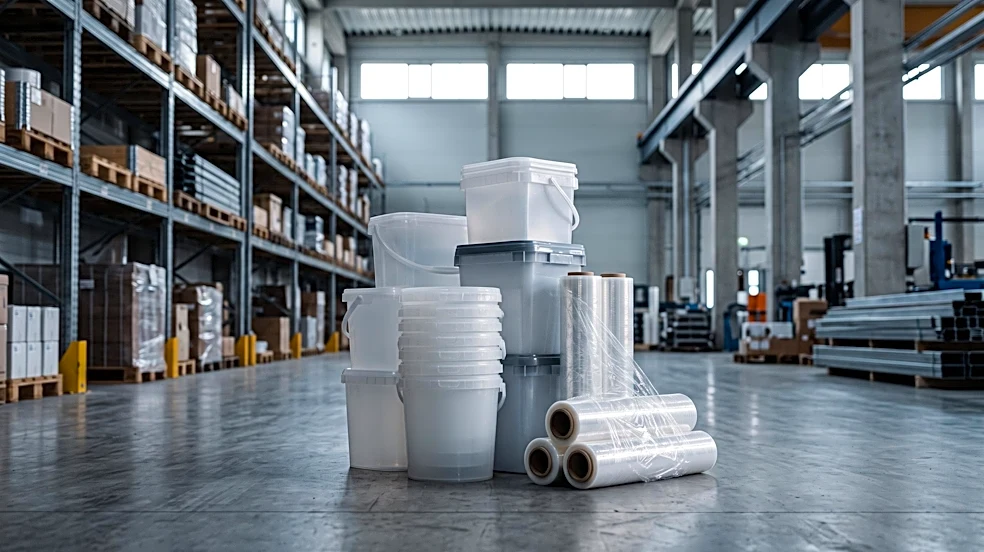
Businesses are increasingly prioritizing the reduction of packaging waste due to its significant environmental impact and potential economic benefits. A substantial amount of packaging materials, often designed for single use and made from non-biodegradable
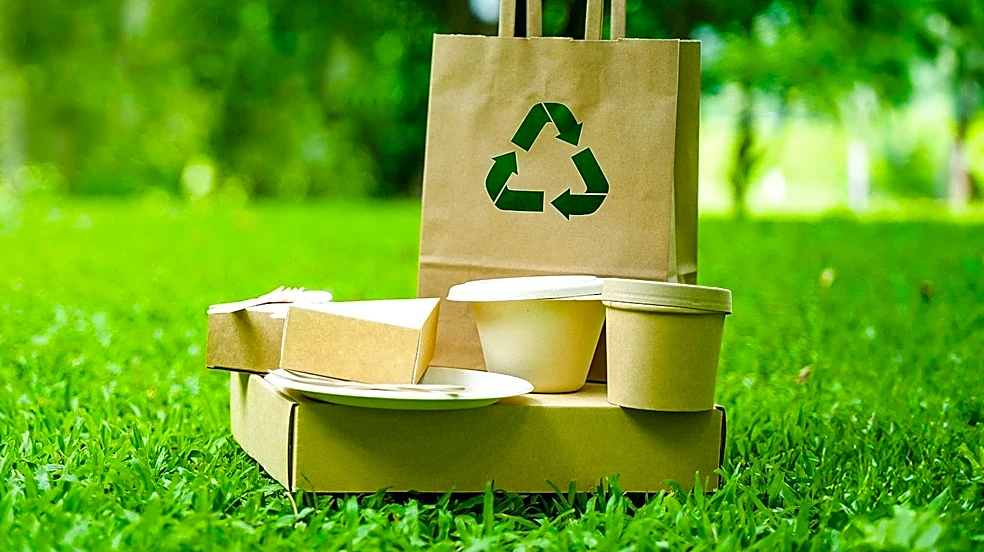
substances, ends up in landfills, contributing to environmental pollution. This issue necessitates a shift towards more sustainable practices, including reusing, recycling, and designing packaging for multiple uses. Brands that adopt eco-friendly packaging not only help protect natural resources like water and trees but also minimize the production of non-biodegradable materials. Companies like Custom Earth Promos are offering reusable packaging options to counter the single-use trend. By reducing packaging waste, businesses can also lower production costs associated with new materials and improve their brand image, influencing customers to make more sustainable choices. This collective action is crucial for promoting and maintaining environmental integrity.
Why It's Important?
The focus on reducing packaging waste is critical for several reasons. Environmentally, it directly addresses the problem of overflowing landfills and the pollution caused by non-biodegradable materials. By minimizing the demand for new packaging, businesses conserve vital natural resources, including forests and water, and reduce the energy consumption associated with manufacturing. Economically, adopting sustainable packaging practices can lead to significant cost savings for businesses. Reusing and recycling materials, or designing multi-use packaging, can decrease the need to purchase new raw materials, thereby lowering operational expenses. Furthermore, a commitment to eco-friendly packaging enhances a brand's reputation, attracting environmentally conscious consumers and fostering customer loyalty. This alignment with consumer values can translate into increased market share and a competitive advantage. The educational aspect is also important, as brands explaining their sustainable choices can empower customers to adopt similar habits, creating a ripple effect of positive environmental action.
What's Next?
The trend towards reduced packaging waste is expected to accelerate, driven by both consumer demand and corporate responsibility. Businesses will likely invest more in research and development to create innovative, sustainable packaging solutions that are either biodegradable, easily recyclable, or designed for extended reuse. This could include the widespread adoption of closed-loop systems where packaging materials are continuously collected, processed, and reintroduced into the supply chain. Consumers can anticipate seeing more products with minimal or reusable packaging, and an increase in brands transparently communicating their environmental efforts. Regulatory bodies may also introduce stricter guidelines or incentives for businesses to reduce packaging waste, further encouraging sustainable practices. The emphasis will be on fostering a circular economy where materials are kept in use for as long as possible, minimizing waste and maximizing resource efficiency across all industries.
Beyond the Headlines
Beyond the immediate environmental and economic impacts, the movement to reduce packaging waste reflects a deeper societal shift towards conscious consumption and corporate accountability. It challenges the ingrained consumer expectation of single-use convenience and encourages a re-evaluation of product life cycles. This cultural change can lead to a greater appreciation for durability and resourcefulness, moving away from a disposable mindset. For businesses, it's not just about compliance or cost-saving; it's about integrating environmental stewardship into their core identity and values. This can foster a more ethical business landscape where companies are judged not only by their profits but also by their contribution to planetary well-being. The collective effort to reduce packaging waste can also inspire broader discussions about waste management infrastructure, consumer education, and the role of design in promoting sustainability, ultimately shaping a more responsible and interconnected global economy.