
What's Happening?
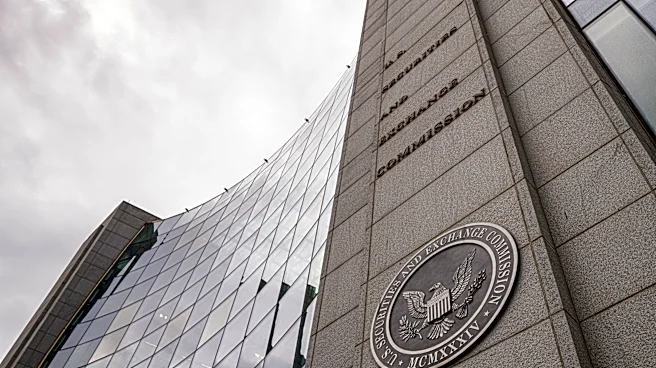
In 2026, Philippine regulatory bodies, including the Securities and Exchange Commission (SEC), the Bureau of Internal Revenue (BIR), and the Bangko Sentral ng Pilipinas (BSP), are implementing tighter
coordination on capital reporting and source-of-funds documentation for businesses. This increased scrutiny emphasizes the need for precise capitalization and meticulous paperwork from the outset of a company's formation. Equity structuring decisions, which encompass authorized capital, paid-up capital, and ownership splits, are now critical for tax exposure, access to foreign capital, and future funding. The changes aim to prevent issues such as costly restructuring, disputes among shareholders, and regulatory challenges from the BIR or SEC regarding proof of funds or foreign equity caps. Companies are advised to engage with authorized agent banks or CPAs early to ensure investments are properly registered, especially for foreign capital infusions, to protect future repatriation rights.
Why It's Important?
The enhanced regulatory coordination in the Philippines has significant implications for both domestic and foreign investors. For U.S. businesses considering or currently operating in the Philippines, understanding and adhering to these stricter guidelines is crucial to avoid legal and financial complications. The emphasis on transparent capital reporting and source-of-funds documentation directly impacts the ease of doing business and the ability to repatriate capital and dividends. Companies that fail to comply risk penalties, delays in operations, and potential loss of investment. This regulatory environment necessitates a thorough review of equity structuring practices, ensuring that all capital infusions, particularly from foreign sources, are meticulously documented and registered with the appropriate Philippine authorities. The changes underscore a broader trend towards greater financial transparency and accountability in emerging markets, which U.S. investors must navigate carefully.
What's Next?
Businesses in the Philippines, particularly those with foreign capital, must prioritize compliance with the updated regulatory requirements. This involves a multi-step process, starting with pre-incorporation decisions on share structure and authorized capital, followed by SEC filing, and post-incorporation actions such as opening corporate bank accounts and depositing paid-up capital. Crucially, companies must register with the BIR for tax purposes, including paying Documentary Stamp Tax (DST) on share issuance, and report foreign capital to the BSP if repatriation from the banking system is intended. The first 30 to 90 days post-incorporation are critical for completing these registrations and ensuring all documentation is aligned. Ongoing obligations will include annual SEC and BIR filings, with regulators expected to closely monitor capital data and source of funds, making timely and consistent filings essential to avoid scrutiny.
Beyond the Headlines
The tightened regulatory framework in the Philippines reflects a broader global push for greater financial transparency and anti-money laundering efforts. While primarily aimed at ensuring compliance and preventing illicit financial activities, these measures also highlight the evolving landscape of corporate governance and investor protection. For U.S. companies, this means that due diligence extends beyond traditional financial assessments to include a deep understanding of local regulatory nuances and the potential for cross-agency scrutiny. The emphasis on 'beneficial ownership' and the consistency of declared capital with supporting proof suggests a move towards piercing the corporate veil to identify ultimate owners and sources of funds. This could set a precedent for other nations to adopt similar stringent measures, influencing international investment strategies and the global flow of capital.