




What's Happening?
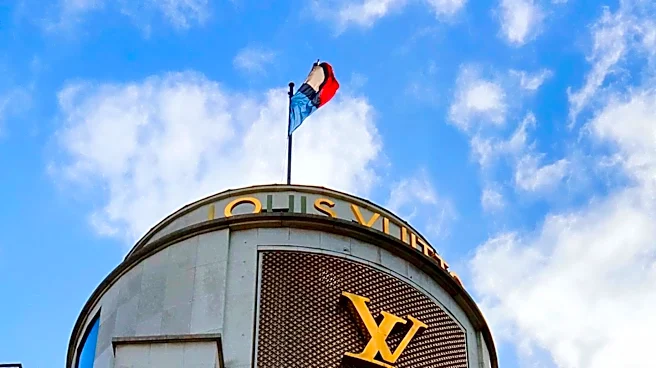
LVMH, the luxury goods conglomerate, reported a 3% decline in revenue for the first half of 2026, amounting to €38.64 billion ($43.93 billion). Despite this decline, the company experienced a 2% increase in organic revenue year-on-year. The second quarter
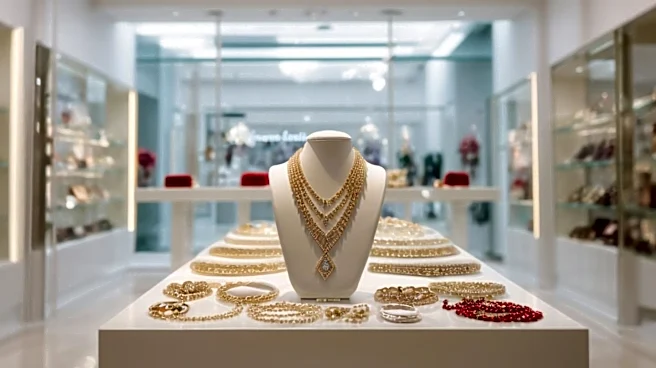
saw a 3% organic growth, or 4% when excluding the impact of the Middle East conflict. Profit from recurring operations fell by 4%, while net profit remained steady at €5.69 billion. The company's selective retailing division posted a 5% organic growth, and the watches and jewelry segment outperformed others with a 9% growth.
Why It's Important?
LVMH's performance is a significant indicator of the luxury market's resilience amid global economic uncertainties. The company's ability to achieve organic growth despite a reported revenue decline suggests strong brand positioning and effective management strategies. The growth in selective retailing and watches and jewelry highlights consumer demand in these segments, which could influence future business strategies. LVMH's results also reflect broader economic trends, such as the impact of geopolitical tensions and currency fluctuations on global businesses.
What's Next?
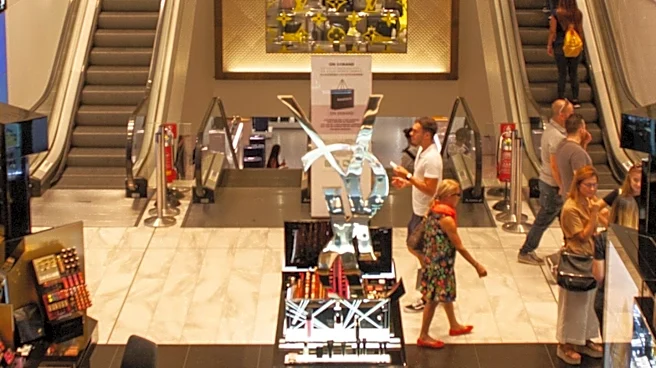
LVMH remains optimistic about its outlook for 2026, focusing on enhancing brand desirability and product quality. The company plans to continue expanding its retail presence, as seen with Sephora's expansion into Belgium and Croatia. Additionally, LVMH's decision to sell Marc Jacobs to WHP Global indicates a strategic shift that could impact its brand portfolio. Stakeholders will be watching how LVMH navigates the uncertain geopolitical and economic environment while maintaining its growth trajectory.