






What's Happening?
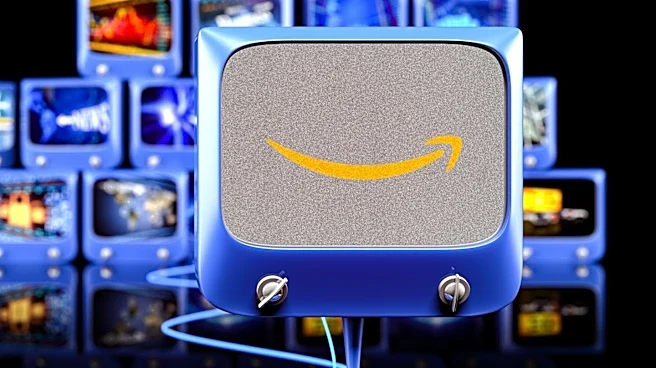
Amazon Prime Video has transformed content consumption by integrating external streaming services directly into its platform through 'Prime Video Channels.' This feature allows subscribers to access a variety of specialized streaming services, such as HBO,
SHOWTIME, BritBox, MGM+, and Acorn TV, for an additional monthly fee, all within the Prime Video app. This aggregation model simplifies the user experience by providing a single interface for managing multiple entertainment subscriptions, eliminating the need for separate logins and billing. The channels are licensed partnerships, not native Amazon Studios creations, and their content becomes accessible alongside standard Prime Video titles. The subscription fees for these channels are added to the existing Amazon Prime membership charge, centralizing payment and management for users. This approach aims to streamline the increasingly fragmented streaming market, offering convenience and a unified platform for diverse content.
Why It's Important?
This development is significant for the U.S. entertainment industry as it represents a shift towards an aggregated streaming model, moving away from isolated platform subscriptions. For consumers, it offers a 'one-stop shop' for various entertainment offerings, potentially reducing subscription fatigue and simplifying content discovery. The integration of diverse channels, from major movie and premium content providers like HBO and SHOWTIME to niche services like BritBox and Shudder, caters to a wide array of viewer preferences. This model benefits Amazon by strengthening its position as a central hub for digital entertainment and potentially increasing Prime membership value. For third-party content providers, partnering with Amazon Prime Video Channels offers broader reach and access to a large subscriber base, while maintaining their brand identity. The centralized billing and single sign-on functionality enhance user convenience, which is a critical factor in retaining subscribers in a competitive streaming landscape.
What's Next?
The trend towards aggregation and bundling in the streaming market is expected to continue, with Amazon Prime Video likely expanding its partnerships and potentially exploring more flexible pricing models. Consumers will need to carefully evaluate their viewing habits and the cumulative cost of multiple channel subscriptions to avoid an overly complex and expensive entertainment portfolio. The platform's commitment to this multi-channel approach suggests further integration and a broader selection of content in the future. Technical compatibility with various devices will remain a consideration for users, as content availability and channel access can depend on device operating systems and app versions. As the market matures, the focus will likely be on optimizing the user experience, enhancing content discovery, and offering personalized recommendations across the aggregated services.
Beyond the Headlines
The rise of aggregated streaming services like Prime Video Channels has deeper implications for the future of media consumption and content distribution. It highlights a growing consumer demand for simplicity and convenience in managing digital entertainment, pushing the industry towards more integrated solutions. This model could lead to a re-evaluation of traditional content licensing and distribution strategies, as content providers weigh the benefits of direct-to-consumer models against the reach and infrastructure offered by large aggregators. Ethically, the centralization of content raises questions about data privacy and the potential for a single entity to exert significant influence over media consumption patterns. Culturally, it could shape how audiences discover and engage with diverse content, potentially leading to a more curated, yet also more homogenized, viewing experience. The long-term impact on independent content creators and smaller streaming services will also be a critical area to watch, as they navigate a landscape increasingly dominated by bundled offerings.