








What's Happening?
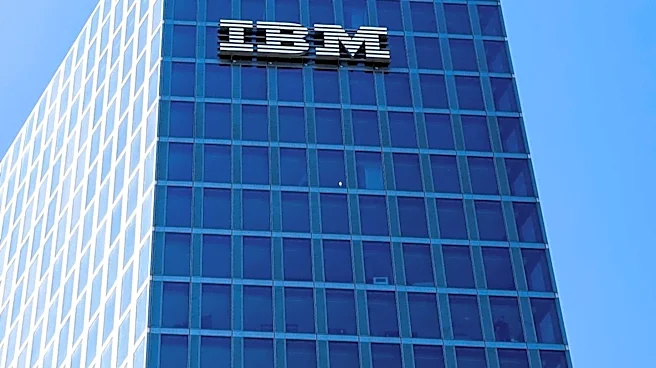
Software stocks experienced a significant decline following IBM's release of disappointing preliminary results. The report highlighted a shift in enterprise capital expenditure (capex) priorities, driven by a global memory supply shortage. This shift has
led companies to allocate more budget towards securing hardware, such as servers and memory, rather than investing in software and IT services. As a result, major software companies like Accenture, ServiceNow, Workday, Salesforce, Atlassian, SAP, and Adobe saw their stock prices fall. The memory shortage, exacerbated by high demand from AI data centers, has forced enterprises to pay premiums for hardware, leaving less budget for software renewals and new projects. IBM's revenue fell short of expectations, with a notable performance shortfall in its Z-series mainframe division. Additionally, cybersecurity concerns have further distracted clients from software investments.
Why It's Important?
The shift in capex priorities poses a significant challenge for the software industry, as it suggests a potential slowdown in revenue for software-as-a-service (SaaS) and consulting sectors. The prioritization of hardware over software could lead to reduced investment in digital transformation projects, impacting innovation and growth within the industry. This trend also highlights the broader implications of supply chain constraints and the increasing demand for AI infrastructure, which are reshaping enterprise spending patterns. Companies that rely heavily on software sales may need to adjust their strategies to navigate these headwinds. The situation underscores the interconnectedness of global supply chains and the ripple effects that disruptions can have across various sectors.
What's Next?
If the current trend of capex reprioritization continues, software companies may face prolonged revenue challenges. Enterprises might delay software purchases until the hardware supply stabilizes and prices normalize. This could lead to a reevaluation of budget allocations and strategic priorities within organizations. Additionally, software companies may need to explore new revenue streams or adjust pricing models to remain competitive. The industry will likely monitor developments in the memory supply chain and AI infrastructure demand closely, as these factors will influence future spending decisions. Stakeholders, including investors and industry analysts, will be keenly observing how companies adapt to these changes and manage their financial performance in the coming quarters.