
What's Happening?
On International Self-Care Day, experts are emphasizing the importance of simple, sustainable self-care practices. Dr. Arun B Nair, a psychiatrist at Thiruvananthapuram Medical College, suggests a daily
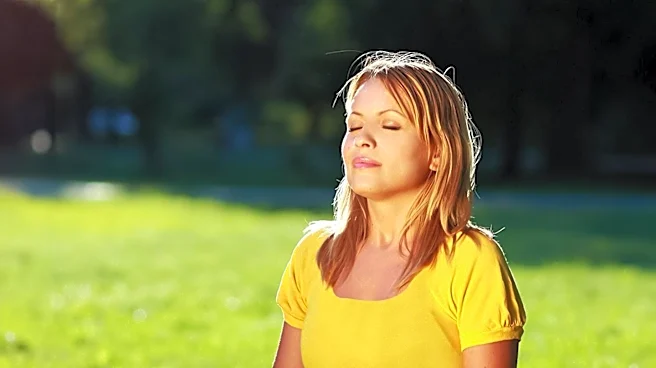
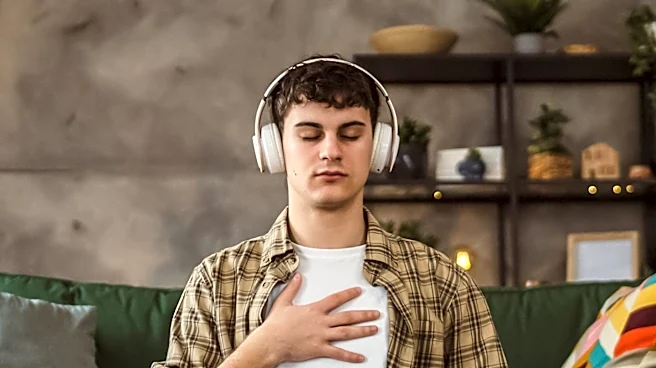
10-minute breathing exercise as a powerful tool for emotional well-being. This practice involves sitting quietly, focusing on breathing, and allowing thoughts to pass without analysis. The approach is designed to help individuals realign themselves and manage intense emotions. Psychologist Seema Girija Lal highlights that many self-care routines fail because they are overly ambitious. Instead, she recommends integrating small, manageable practices into daily life, such as the '600-second challenge,' which encourages people to dedicate just 10 minutes a day to their wellness.
Why It's Important?
The emphasis on simple self-care practices is significant as it addresses the common issue of unsustainable wellness routines. By promoting manageable activities like breathing exercises, individuals are more likely to maintain these habits, leading to improved mental health and emotional stability. This approach can be particularly beneficial in today's fast-paced world, where stress and information overload are prevalent. The focus on simplicity and consistency in self-care can help reduce the burden of mental health issues and promote a healthier society. It also encourages people to prioritize their well-being without the need for expensive or time-consuming commitments.
What's Next?
As more people adopt these simple self-care practices, there may be a shift in how wellness is perceived and practiced. Healthcare professionals might increasingly recommend such exercises as part of mental health treatment plans. Additionally, public health campaigns could focus on promoting these accessible practices to a wider audience. The success of these initiatives could lead to a broader acceptance of self-care as an essential component of daily life, potentially influencing workplace wellness programs and educational curricula.
Beyond the Headlines
The promotion of simple self-care practices like breathing exercises could have long-term cultural implications. It may lead to a societal shift towards valuing mental health and emotional well-being as much as physical health. This could also influence the development of new wellness products and services that focus on simplicity and accessibility. Furthermore, as individuals become more attuned to their mental health needs, there may be increased advocacy for mental health resources and support systems.