



What's Happening?
The evolving landscape of movie sequels has introduced a variety of terms to describe different types of follow-up films. These include 'requel', 'revival', 'legacyquel', and more, each with distinct characteristics. A 'requel' combines elements of a reboot
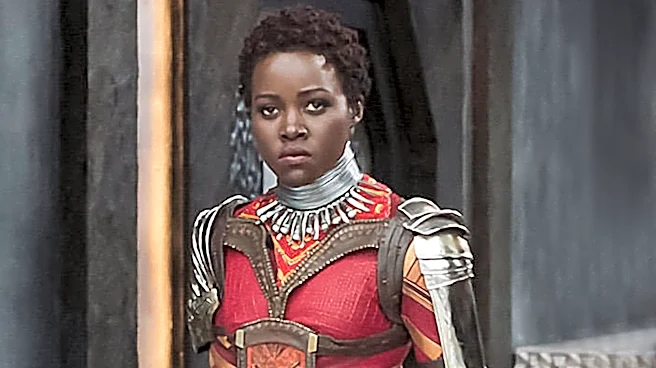
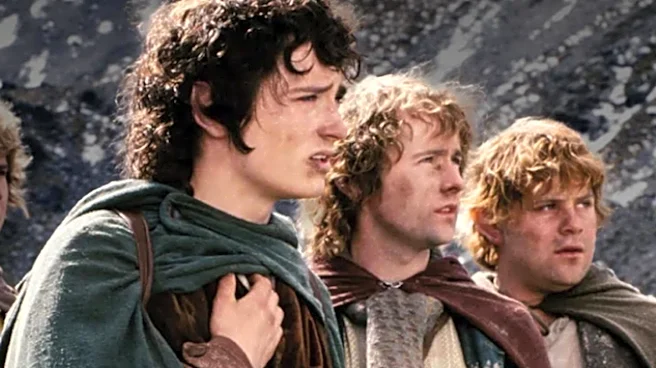
and a sequel, often introducing new characters while continuing the original storyline. A 'legacyquel' involves original stars reprising their roles to pass the torch to a new generation. These terms reflect the industry's focus on franchise filmmaking, where interconnected films create expansive universes. Examples include the Marvel Cinematic Universe and the Star Wars saga.
Why It's Important?
Understanding these terms is crucial for both industry professionals and audiences as they navigate the complex world of modern cinema. For studios, these concepts guide strategic decisions about which projects to greenlight and how to market them. For audiences, they provide a framework for understanding the narrative and thematic connections between films. The proliferation of these terms also highlights the industry's reliance on established intellectual properties to drive box office success, reflecting broader trends in entertainment consumption and production.
Beyond the Headlines
The rise of sequel terminology underscores a cultural shift towards nostalgia and continuity in storytelling. As audiences seek familiar narratives, studios capitalize on this demand by reviving beloved franchises. This trend raises questions about creativity and originality in Hollywood, as well as the balance between innovation and commercial viability. Additionally, the emphasis on franchise filmmaking impacts the types of stories that get told, potentially sidelining original content in favor of proven formulas.