


What's Happening?
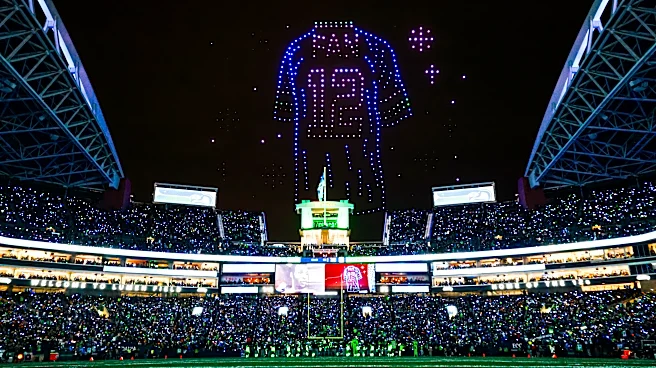
NFL owners have unanimously approved the sale of the Seattle Seahawks to an ownership group led by the Khosla family. This decision, made during a special meeting in Atlanta on Wednesday, August 26, marks a significant step in the transaction. The Khosla group had
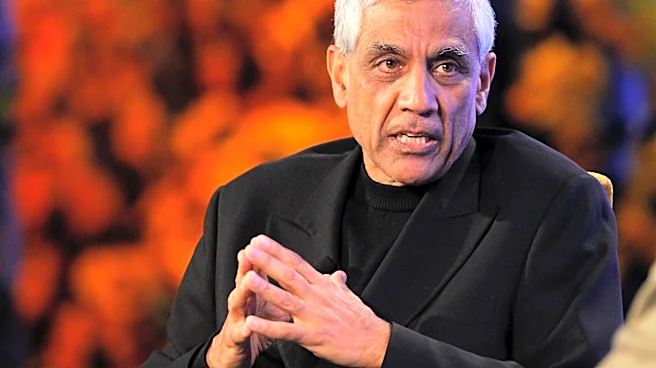
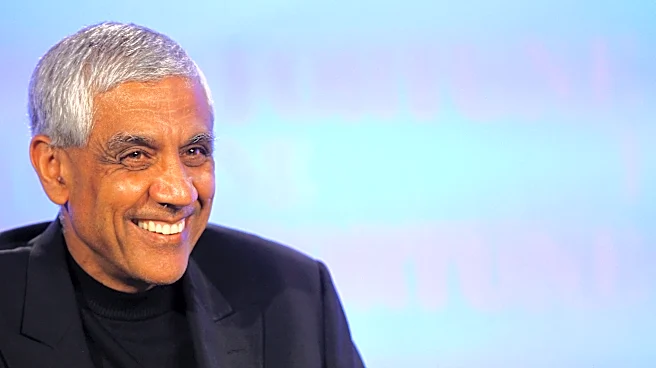
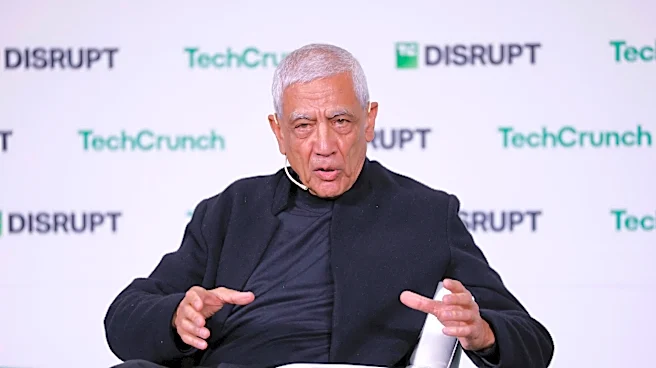
agreed in July to purchase the team from the Paul G. Allen Estate for a record $9.6 billion, which is the highest price ever paid for an NFL franchise. The sale is anticipated to be finalized within the upcoming week. This transaction fulfills the wishes of the late Paul Allen, co-founder of Microsoft, who stipulated in his will that the team be sold and the proceeds distributed to various charities. Allen originally bought the Seahawks in 1997 for $194 million, ensuring the team remained in Seattle. Since his passing in 2018, his sister, Jody Allen, has been overseeing the franchise. The new ownership group is headed by Vinod Khosla, a venture capitalist and former limited partner of the San Francisco 49ers. Khosla expressed enthusiasm for the acquisition, particularly noting the team's recent Super Bowl victory.
Why It's Important?
The record-breaking $9.6 billion sale of the Seattle Seahawks signifies a substantial increase in the valuation of NFL franchises and professional sports teams in general. This transaction surpasses the previous record set by the 2023 sale of the Washington Commanders for $6.05 billion, highlighting a robust and growing market for sports ownership. The sale also underscores the significant financial legacy of Paul Allen, whose foresight in purchasing the team for a comparatively modest sum in 1997 has resulted in a massive return on investment, with the proceeds now earmarked for charitable causes. For the NFL, this sale reinforces its position as a highly lucrative and desirable league for investors, attracting prominent figures like Vinod Khosla, who brings prior experience from his involvement with the San Francisco 49ers. The continuity of the team's success, including a recent Super Bowl win, likely contributed to its high valuation and attractiveness to buyers, indicating that on-field performance can directly impact market value. This trend of escalating franchise values could influence future ownership changes and investment strategies across the league.
What's Next?
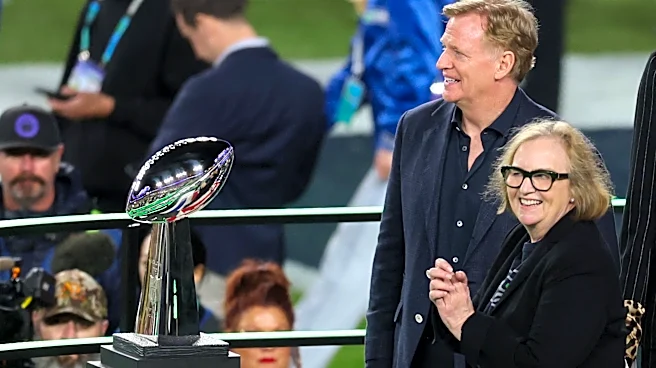
The sale of the Seattle Seahawks to the Khosla group is expected to be finalized within the next week, officially transferring ownership. Following the finalization, the new ownership group, led by Vinod Khosla, will assume full control of the franchise. Khosla has indicated plans to maintain the team's success and focus on long-term goals, including the pursuit of additional Super Bowl titles. NFL Commissioner Roger Goodell has expressed confidence in the Khosla family, citing their familiarity with the league and the Seattle community due to their previous involvement with the 49ers. This suggests a smooth transition is anticipated, with the league expecting the new owners to uphold the NFL's culture and community engagement. The proceeds from the sale, as per Paul Allen's will, will be distributed to various charities, marking a significant philanthropic outcome from the transaction. The new ownership's immediate actions will likely involve assessing the team's operational structure and strategic direction to ensure continued competitive performance and fan engagement.
Beyond the Headlines
This record-setting sale of the Seattle Seahawks reflects a broader trend of increasing valuations for professional sports franchises, transforming them into highly sought-after assets for ultra-wealthy investors. The transaction highlights the evolving nature of sports ownership, where teams are viewed not just as passion projects but as significant financial investments with substantial returns. The philanthropic directive in Paul Allen's will, mandating the sale and distribution of proceeds to charity, sets a precedent for how high-value assets can be leveraged for societal benefit after an owner's passing. This could influence future estate planning for other sports team owners, potentially channeling more wealth towards charitable foundations. Furthermore, the involvement of a venture capitalist like Vinod Khosla, with a background in technology and prior NFL experience, suggests a potential for innovative approaches to team management, fan engagement, and leveraging technology within the sports industry. The escalating prices also raise questions about accessibility to team ownership and the increasing concentration of wealth within the sports ecosystem, potentially impacting the long-term financial landscape of professional leagues.