


What's Happening?
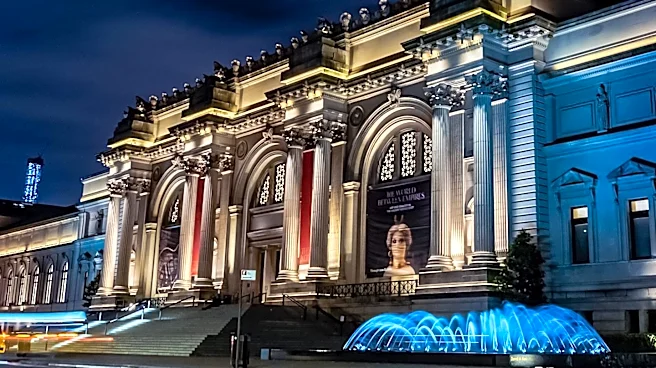
The Metropolitan Museum of Art's Costume Institute, in collaboration with Vogue, has officially unveiled "extraORDINARY: Fashion and the Poetics of the Everyday" as the theme for the May 3, 2027 Met Gala and its accompanying spring exhibition. This announcement,
made on Thursday, November 5, 2026, marks a significant and unprecedented shift in the Costume Institute's history, as it is the first time a publicly announced exhibition concept has been scrapped for an entirely new direction. The original plan for 2027 was a major retrospective dedicated to British designer John Galliano. However, due to considerable backlash concerning Galliano's past antisemitic remarks, donor apprehensions, and scheduling conflicts with Holocaust Remembrance Day (Yom HaShoah), the exhibition was canceled. Costume Institute Curator in Charge Andrew Bolton, alongside Stephanie Kramer and Emily Mushaben, opted to challenge high-fashion conventions by focusing on everyday items like blue jeans, white T-shirts, trench coats, hoodies, and puffer jackets. The exhibition, opening to the public on May 9, 2027, and running through January 9, 2028, will feature 200 to 230 pieces illustrating how ordinary garments and household items can be elevated to high art.
Why It's Important?
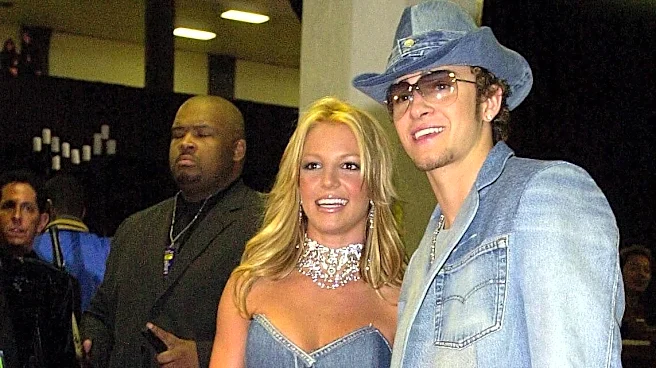
This thematic pivot by the Met Gala is significant as it validates street culture and urban streetwear as fundamental components of modern high fashion, moving beyond their previous classification as mere subcultures. By centering the exhibition on everyday attire, the Costume Institute is directly challenging traditional notions of haute couture and formal red-carpet dressing. This shift could influence future fashion trends, encouraging designers and attendees to reinterpret common garments with innovative approaches, such as trompe-l'oeil leather denim or recycled conceptual gowns. The decision also reflects a growing societal demand for accountability and sensitivity within the fashion industry, as evidenced by the cancellation of the Galliano retrospective due to his past controversies. This move signals that major cultural institutions are increasingly responsive to public sentiment and ethical considerations, potentially setting a precedent for how historical figures with problematic pasts are honored or re-evaluated in the arts. The exhibition's focus on the 'everyday' could also democratize high fashion, making it more relatable and accessible to a broader audience.
What's Next?
Following the announcement, anticipation will build for the May 3, 2027 Met Gala, where A-list attendees will be challenged to interpret the "extraORDINARY" theme on the red carpet. Fashion critics and the public will closely watch how designers and celebrities translate everyday items into high-fashion statements, potentially leading to a wave of innovative and unconventional looks. The exhibition itself, opening on May 9, 2027, will offer a detailed exploration of how mundane garments transform into art, likely sparking discussions about the boundaries of fashion and art. This thematic choice may also encourage other fashion institutions and designers to further integrate streetwear and everyday aesthetics into their collections and showcases. The industry will likely observe the public and critical reception to this theme, which could influence future exhibition choices and fashion narratives, potentially leading to a more inclusive and less hierarchical view of fashion.
Beyond the Headlines
The Met Gala's decision to pivot to an 'extraORDINARY' theme carries deeper implications beyond immediate fashion trends. It highlights a cultural shift towards valuing authenticity and relatability in an era often dominated by aspirational, yet sometimes unattainable, luxury. By elevating everyday wear, the exhibition could spark a broader conversation about consumerism, sustainability, and the inherent artistry in common objects. Ethically, the cancellation of the Galliano retrospective underscores the ongoing tension between artistic freedom and social responsibility, suggesting that institutions are increasingly prioritizing ethical considerations over purely aesthetic ones. This event could also be seen as a reflection of a broader societal movement to deconstruct traditional hierarchies and celebrate diverse forms of expression, moving away from an exclusive focus on established 'masters' towards a more inclusive appreciation of cultural contributions. This could lead to a re-evaluation of what constitutes 'high fashion' and who gets to define it, potentially fostering a more democratic and representative fashion landscape in the long term.