






What's Happening?
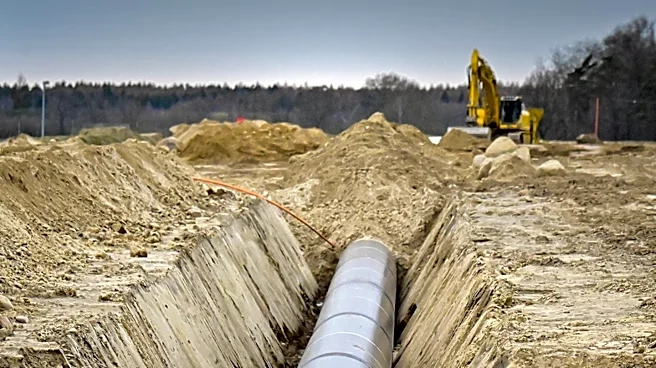
Devon Energy Corporation has given final approval for a significant natural gas pipeline system designed to transport Permian Basin volumes to the Texas Gulf Coast. This project involves the construction of two large-diameter natural gas pipelines extending
from the Permian Basin to Katy, Texas, near Houston. The initiative is structured as a joint venture, led by an experienced midstream developer. Devon Energy will hold a 25% equity interest in the project, with the remaining ownership distributed among a group of partners, including a large master limited partnership, another Permian producer, and a midstream partnership. The development is planned in phases, with an initial segment expected to be operational by the end of the decade, followed by a similar expansion the subsequent year, and potential for further growth based on demand. In addition to its equity stake, Devon Energy has secured firm transportation capacity on the system, guaranteeing its ability to move a specified volume of gas irrespective of pipeline congestion. This move is part of Devon Energy's long-standing strategy to integrate its operations by owning critical infrastructure that supports its drilling programs.
Why It's Important?
This pipeline project is crucial for addressing the chronic issue of natural gas takeaway capacity in the Permian Basin. Historically, oil-directed drilling in the region produces substantial amounts of associated natural gas. When pipeline capacity becomes constrained, gas prices in West Texas can plummet, sometimes to negative levels, forcing producers to pay for gas removal or even curtail oil production due to flaring restrictions. By securing firm transportation capacity to the liquid Gulf Coast market, Devon Energy aims to protect both its oil volumes and gas revenue realizations. This infrastructure ownership converts a recurring operational cost and vulnerability into a strategic asset and a partial hedge against market fluctuations. The Gulf Coast corridor is a vital hub for U.S. natural gas demand, featuring numerous liquefied natural gas (LNG) export terminals, petrochemical complexes, and gas-fired power generation facilities. Access to this market allows gas to be priced against international demand rather than being subject to regional bottlenecks, thereby enhancing the commercial value of associated gas volumes.
What's Next?
The initial phase of the pipeline system is slated to commence service towards the end of the current decade, with a subsequent expansion planned for the following year. Further growth in capacity will be contingent on market demand. This strategic investment by Devon Energy is expected to solidify its integrated Delaware Basin model, which focuses on directly addressing operational constraints rather than relying solely on third-party services. The company has already established arrangements linking a portion of its gas sales to international pricing benchmarks, and this pipeline will create a direct, contracted path from the wellhead to the export market. This move is likely to be watched by other Permian producers as a model for mitigating takeaway capacity risks and enhancing asset value. The project's success could encourage similar producer-backed midstream ventures, further integrating the U.S. energy supply chain and potentially influencing regional gas pricing dynamics.
Beyond the Headlines
This pipeline project signifies a broader trend in the U.S. energy sector where producers are increasingly investing in midstream infrastructure to gain greater control over their value chain and mitigate market risks. The decision reflects a strategic shift from simply contracting for pipeline space to owning a stake in the infrastructure itself, transforming a variable cost into a long-term asset. This approach not only secures transportation but also allows producers to benefit from tariff revenues when the pipeline operates at full capacity, effectively hedging against periods of weak basin-wide gas pricing. Furthermore, connecting Permian gas to the Gulf Coast's export facilities underscores the growing importance of U.S. natural gas in the global energy market. As American electricity consumption rises due to data center construction, industrial electrification, and manufacturing reshoring, and as LNG exports continue to grow, reliable and efficient gas takeaway infrastructure becomes even more critical for national energy security and economic competitiveness.