





What's Happening?
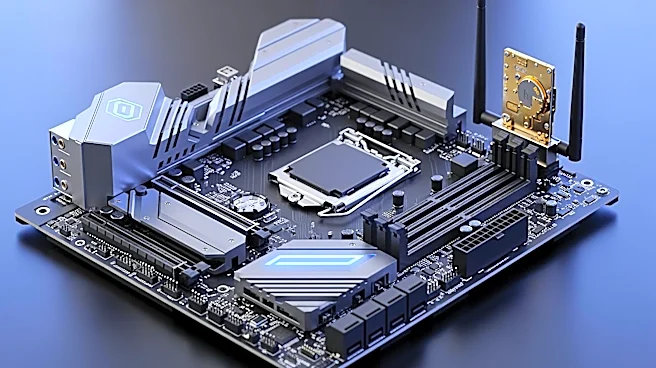
AMD has decided to reinstate the Transparent Secure Memory Encryption (TSME) feature in its consumer Ryzen processors after facing significant backlash from users. The feature, which encrypts the entire contents stored in memory to protect against physical
attacks, was quietly removed in a recent firmware update. This removal was not initially communicated to users, leading to widespread criticism on social media. The TSME feature was originally added to AMD's high-end CPUs about a decade ago and later extended to lower-end processors, including consumer versions of Ryzen chips. The decision to remove it was met with accusations of underhandedness, as the change was made solely through firmware updates without any physical alterations to the hardware.
Why It's Important?
The reinstatement of TSME in AMD's consumer CPUs is significant for several reasons. Firstly, it highlights the power of consumer feedback in influencing corporate decisions, especially in the tech industry where user trust and security are paramount. The backlash underscores the importance of transparency and communication from companies regarding changes that affect product security features. For AMD, this move is crucial in maintaining its reputation and customer loyalty, as security features like TSME are vital for protecting sensitive data from physical attacks. The incident also reflects a broader trend where tech companies face increased scrutiny over their accountability and transparency in product changes.
What's Next?
AMD's decision to reinstate TSME may prompt other tech companies to reevaluate their communication strategies and transparency regarding product changes. It could lead to increased pressure on companies to maintain open dialogues with consumers about security features and updates. Additionally, this incident may encourage users to be more vigilant and vocal about changes in tech products, potentially leading to more consumer-driven advocacy for security and privacy standards in the industry.