







What's Happening?
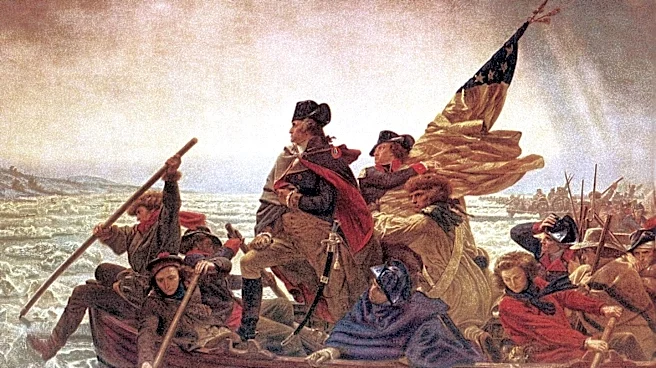
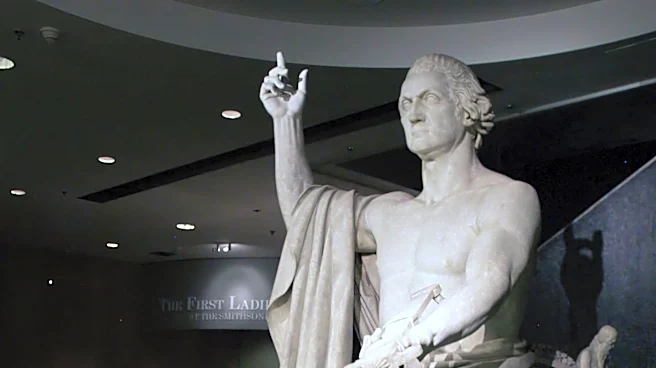
The film 'Young Washington,' directed by Jon Erwin and released by Angel Studios, presents a dramatized account of George Washington's formative years. The movie aims to depict the early experiences that shaped Washington's character and leadership skills,
ultimately leading him to become a Founding Father of the United States. Set during the French & Indian War, the film portrays Washington's journey from an aspiring British officer to a key figure in American independence. Despite its historical setting, the film takes creative liberties, altering timelines and character fates for dramatic effect. The narrative focuses on Washington's personal growth and his realization of the unattainability of his ambitions within the British gentry. The film also touches on Washington's faith and the belief in a larger purpose for his life, though it largely sidesteps deeper moral explorations of the era, such as the issue of slavery.
Why It's Important?
The film 'Young Washington' contributes to the ongoing cultural narrative surrounding America's Founding Fathers by offering a cinematic interpretation of George Washington's early life. By focusing on Washington's personal development and leadership, the film reinforces his iconic status in American history. However, the creative liberties taken in the film highlight the challenges of balancing historical accuracy with storytelling in biographical films. This approach can influence public perception of historical figures, potentially shaping how audiences understand and engage with American history. The film's release also reflects the continued interest in historical narratives and their relevance to contemporary discussions about leadership, identity, and national heritage.
What's Next?
As 'Young Washington' continues to play in theaters, it may prompt discussions among historians and audiences about the portrayal of historical figures in media. The film's creative choices could lead to debates about the responsibilities of filmmakers in representing historical events and figures accurately. Additionally, the film's reception may influence future projects by Angel Studios and other filmmakers interested in exploring similar historical themes. The film's impact on public understanding of George Washington's legacy could also be a topic of interest in educational settings, potentially affecting how history is taught and perceived.
Beyond the Headlines
The film's portrayal of George Washington raises questions about the ethical implications of dramatizing historical events. By focusing on Washington's personal journey and minimizing the exploration of slavery, the film may inadvertently contribute to a romanticized view of American history. This approach can obscure the complexities and moral challenges of the era, potentially influencing how audiences perceive historical narratives. The film's emphasis on Washington's faith and destiny also reflects broader cultural themes about leadership and purpose, which may resonate with contemporary audiences seeking inspiration from historical figures.