






What's Happening?
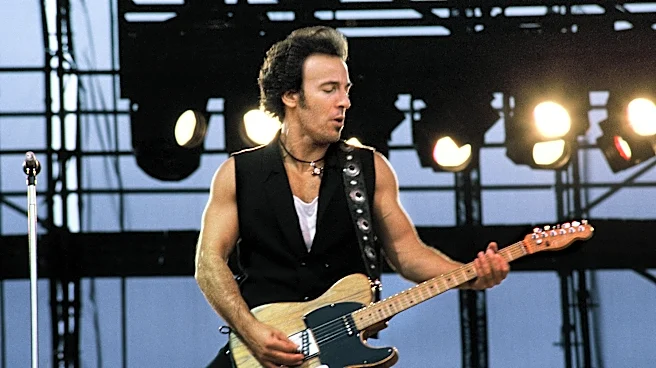
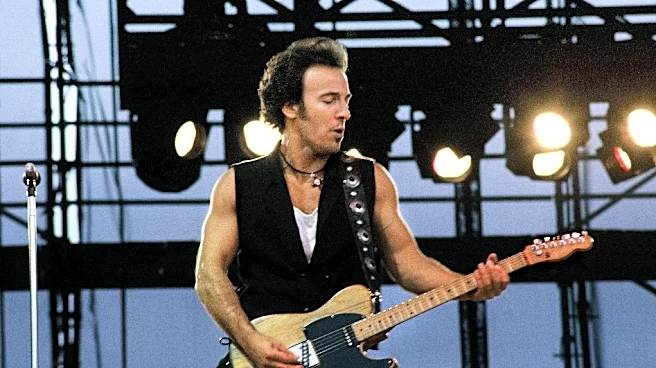
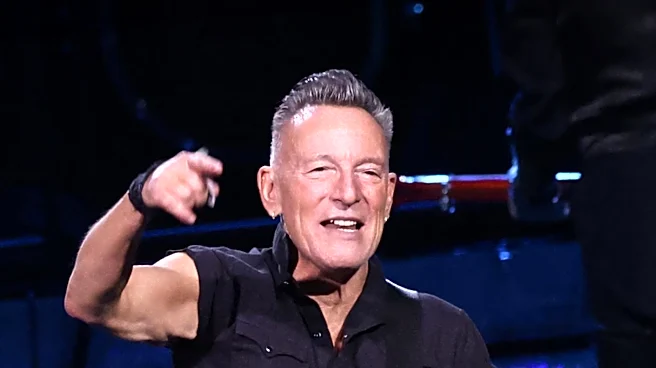
A new feature-length documentary titled "When The Walls Came Down" will chronicle Bruce Springsteen's record-breaking concert in East Berlin on July 19, 1988. The performance at Radrennbahn Weissensee drew an estimated 300,000 fans, making it the largest
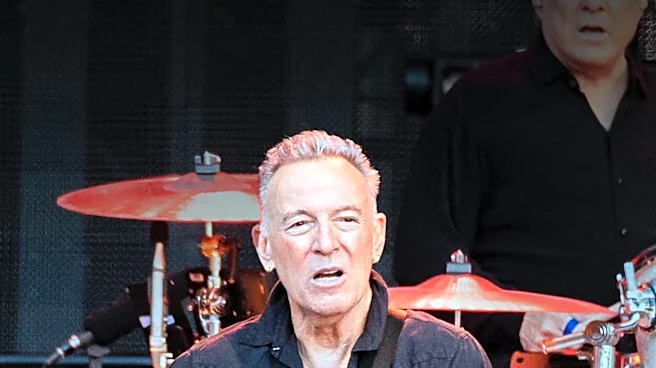
concert of Springsteen's career. The film, directed and produced by Nicholas de Taranto and Danielle Peck, will incorporate new interviews with Springsteen, his manager Jon Landau, and E Street Band members including Patti Scialfa, Stevie Van Zandt, and Max Weinberg. It will also feature archive footage from the Tunnel Of Love tour show, recollections from attendees, and documents from the Stasi, the East German intelligence agency, related to the event. Springsteen reflected on the experience, stating, "I remember seeing the Wall and saying, This isn’t right. This is an offense against humanity. Looking back on it, it’s in the very highest echelon of all the shows we’ve ever done."
Why It's Important?
This documentary highlights a significant cultural event that occurred 16 months before the fall of the Berlin Wall, underscoring the power of music as a catalyst for social and political change. For a generation living under a repressive Communist regime, the concert became a symbol of hope and inspiration, contributing to the momentum that led to the tearing down of the Wall the following year. The film's inclusion of Stasi documents offers a unique historical perspective on how authorities perceived and monitored such large-scale public gatherings, especially those involving Western artists. The concert's immense scale and emotional impact, as noted by Springsteen and Landau, demonstrate its lasting legacy not just in music history but also in the broader context of Cold War-era East-West relations and the eventual reunification of Germany.
What's Next?
The documentary "When The Walls Came Down" is a collaboration between Legendary Entertainment, Sony Music Vision, and Passion Pictures. While an estimated release date has not yet been announced, its production indicates an upcoming opportunity for audiences to revisit this pivotal moment in history. The film is expected to offer a comprehensive look at the concert's circumstances, its immediate impact, and its long-term significance through a blend of personal accounts and historical records. The involvement of key figures like Springsteen and his band members, alongside fan recollections, suggests a rich narrative that will explore both the artistic and political dimensions of the event.
Beyond the Headlines
The documentary delves beyond a simple concert film, exploring the profound cultural and political implications of Springsteen's performance in East Berlin. It examines how a rock concert, seemingly a form of entertainment, could become a powerful symbol of dissent and a rallying point for change in a highly controlled society. The film's focus on the Stasi documents reveals the extent of surveillance and control exercised by the East German regime, contrasting it with the liberating experience of the concert for its attendees. This narrative highlights the role of art and popular culture in challenging authoritarian systems and fostering a sense of collective identity and aspiration for freedom, ultimately contributing to major geopolitical shifts.