





What's Happening?
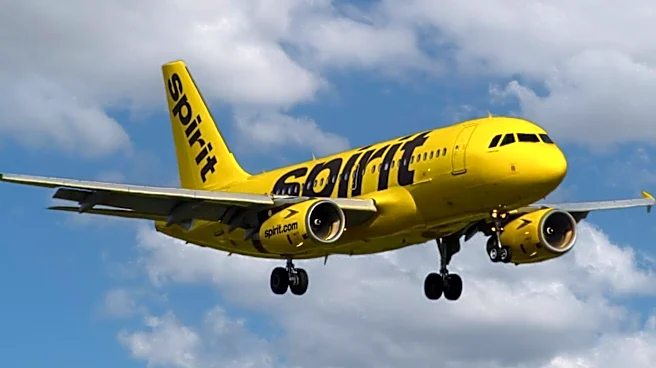
Spirit Airlines operates on an ultra-low-cost carrier (ULCC) model, offering low base ticket prices by unbundling traditional amenities and charging separately for services like checked bags, carry-on luggage, and seat selection. This strategy, while
aiming to provide affordable air travel, has led to significant customer dissatisfaction, with the airline frequently ranking low in customer satisfaction surveys. Critics argue that Spirit's fee structure is complex and punitive, often leading to higher cumulative costs than initially advertised. Passengers report feeling coerced into paying substantial fees at the airport for services that are standard on other airlines. The airline's policies regarding baggage, seat selection, and compensation during disruptions have drawn regulatory scrutiny and public backlash, contributing to its reputation as one of the most unpopular airlines in the United States. The U.S. Department of Transportation and the Federal Communications Commission have investigated its practices, leading to some changes, such as a ban on fees for canceling or changing tickets due to carrier-caused delays.
Why It's Important?
The operational model of Spirit Airlines highlights a significant tension within the U.S. airline industry between offering ultra-low fares and maintaining customer satisfaction. While Spirit's model provides an option for price-sensitive travelers, its reliance on extensive add-on fees and perceived poor customer service can erode consumer trust and impact the overall travel experience. This approach influences how other airlines, particularly low-cost carriers, structure their pricing and services. The regulatory scrutiny faced by Spirit underscores the ongoing debate about transparency in airline pricing and consumer protection. The challenges Spirit faces in balancing cost-cutting with passenger well-being can set precedents for how regulatory bodies intervene to ensure fair practices in the competitive airline market, potentially leading to broader industry changes in fee structures and customer service standards. The public's perception of Spirit also affects the brand image of the ULCC segment as a whole.
What's Next?
Spirit Airlines will likely continue to face pressure from regulatory bodies and consumer advocates to enhance transparency in its fee structure and improve customer service. The airline may need to re-evaluate its unbundled model to address persistent complaints about hidden costs and the overall passenger experience. Future regulatory actions could mandate clearer disclosure of all potential fees at the time of booking or impose stricter limits on charges for essential services. Spirit's ability to adapt to these pressures while maintaining its low-cost advantage will be crucial for its market position. The airline may also explore strategies to improve its on-time performance and fleet modernization to address operational issues that contribute to customer dissatisfaction. The ongoing evaluation of routes, such as Orlando-Newark, based on load factors and passenger satisfaction, will inform future operational adjustments and potentially influence its network strategy.
Beyond the Headlines
The issues surrounding Spirit Airlines extend beyond individual customer complaints to broader ethical and economic considerations within the travel industry. The ULCC model, while democratizing air travel for some, raises questions about the true cost of affordability and whether consumers are adequately informed about the total price of their journey. The airline's practices highlight a potential ethical dilemma where aggressive cost-cutting measures may compromise passenger comfort and service quality. This situation could lead to a re-evaluation of consumer rights in air travel, potentially influencing policy discussions on what constitutes a 'fair' base fare versus optional add-ons. The long-term impact could be a shift in consumer behavior, with travelers increasingly prioritizing transparent pricing and reliable service over the lowest advertised fare, pushing the industry towards more inclusive pricing models or clearer communication of unbundled services.