









What's Happening?
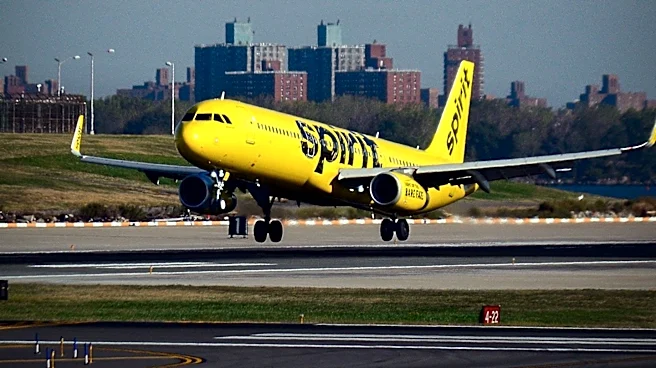
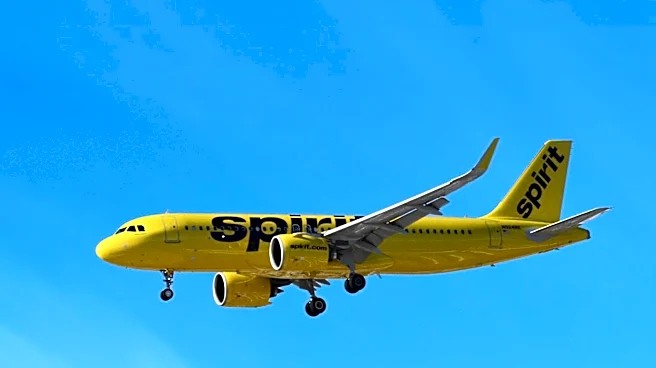
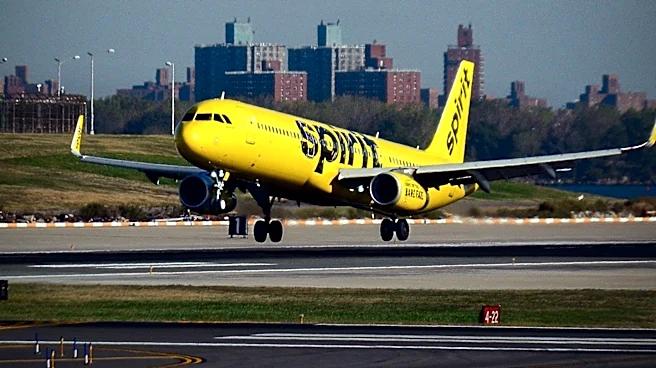
Spirit Airlines officially ceased all flight operations at 3:00 a.m. Eastern on May 2, 2026. The airline, which was in a wind-down phase as a bankruptcy estate, no longer has any aircraft in service. On the day of its shutdown, Spirit's fleet consisted
of 114 Airbus jets, comprising 48 owned and 66 leased aircraft. Since then, all 114 aircraft have either been returned to lessors or sold at auction. Despite this, the FAA’s aircraft registry, as of October 30, 2026, still lists 48 Airbus jets under Spirit Airlines LLC, which corresponds to the aircraft Spirit owned at the time of its cessation. The airline's fleet had significantly shrunk from 213 aircraft at the end of 2024 to 131 at the end of 2025, primarily due to the shedding of newer A320neo models and leased jets.
Why It's Important?
The complete cessation of Spirit Airlines' operations marks a significant event in the U.S. airline industry, reflecting the intense competitive pressures and economic vulnerabilities faced by carriers, particularly those operating on an ultra-low-cost model. The rapid reduction of its fleet, from over 200 aircraft to zero in less than two years, highlights the severe impact of factors such as rising fuel costs, as attributed to the 2026 Iran war, and ongoing engine maintenance issues, particularly with Pratt & Whitney GTF engines on its A320neo fleet. This event impacts the broader aviation ecosystem, including lessors, aircraft parts suppliers, and other airlines that may acquire Spirit's former aircraft or absorb its former routes and passenger base. The disappearance of a major ultra-low-cost carrier could also lead to shifts in market dynamics, potentially affecting airfares and service options for consumers, especially in leisure travel segments where Spirit was a prominent player.
What's Next?
With Spirit Airlines no longer operating, the focus shifts to the disposition of its remaining assets and the implications for the broader aviation market. The 66 leased jets have been returned to their respective lessors, while the 48 owned aircraft have been sold through bankruptcy court proceedings. These aircraft are expected to be integrated into the fleets of other airlines or repurposed for parts, as seen with Setna iO's acquisition of four A320 airframes. The FAA registry will eventually update to reflect the new ownership of the 48 previously owned jets. The void left by Spirit Airlines may be filled by other carriers, potentially leading to increased competition on certain routes or the expansion of existing airlines. The industry will continue to monitor the impact of the 2026 Iran war on fuel costs, a factor Spirit cited in its shutdown, as it could influence the operational strategies and financial health of other airlines.
Beyond the Headlines
The demise of Spirit Airlines serves as a stark reminder of the precarious nature of the airline business, even for established carriers. The rapid decline of its fleet, particularly the shedding of newer A320neo aircraft due to engine issues, underscores the critical importance of fleet management and maintenance in an industry with tight margins. The blame placed on the 2026 Iran war for rising fuel costs highlights how geopolitical events can have immediate and severe consequences for global industries. This situation also brings to light the complexities of bankruptcy proceedings in the aviation sector, where leased assets are quickly reclaimed, and owned assets are liquidated. The shift of these aircraft into the used serviceable material market or other airlines' fleets represents a continuous cycle of asset reallocation within the industry, driven by economic pressures and operational efficiencies. The impact on consumer choice and pricing in the ultra-low-cost segment will be a key area to watch as other airlines adapt to Spirit's absence.