




What's Happening?
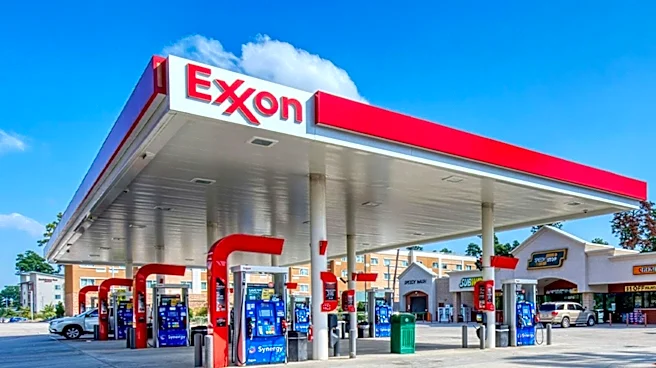
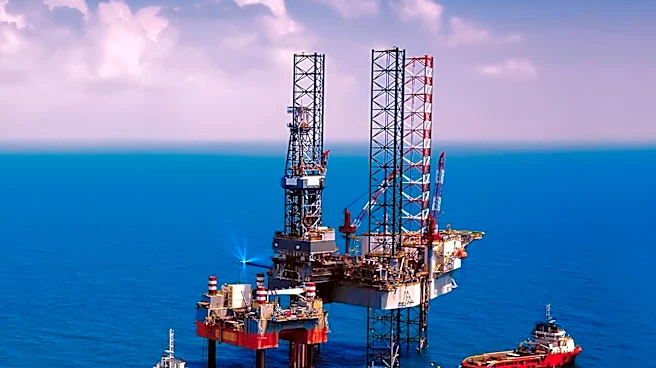
ExxonMobil anticipates its offshore Guyana operations will surpass 1 million barrels per day (bpd) of oil production within weeks. This milestone follows the November startup of Uaru, the fifth development in Guyana’s offshore Stabroek block, which has
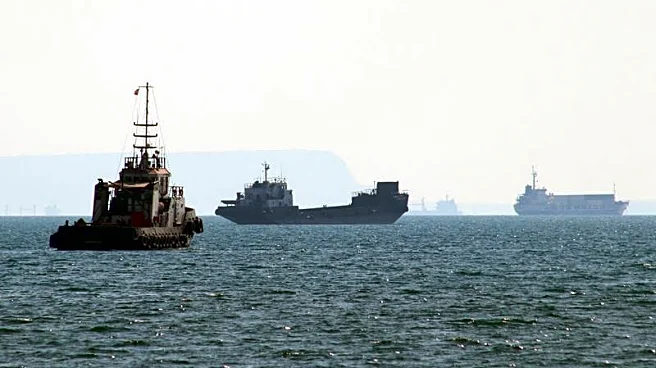
increased the country's installed oil production capacity to 1.1 million bpd. According to ExxonMobil Guyana President Alistair Routledge, Uaru produced approximately 80,000 bpd last week, with its floating production, storage, and offloading vessel, Errea Wittu, expected to reach its initial capacity of 250,000 bpd in the first quarter of 2027. Guyana's emergence as a significant crude exporter has occurred in less than seven years since commercial oil production began in December 2019. ExxonMobil operates the Stabroek block with a 45% ownership interest, alongside Chevron (30%) and China’s CNOOC (25%). The consortium is also expanding into natural gas and condensate resources with the $12.5 billion Longtail project, anticipated to begin production in 2030, and progressing on Whiptail and Hammerhead offshore developments.
Why It's Important?
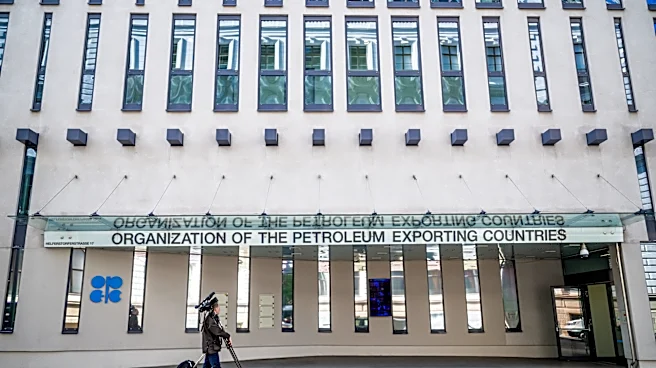
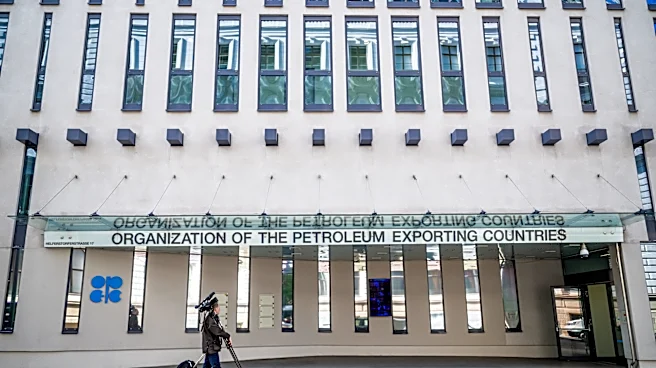
This significant increase in oil production from offshore Guyana strengthens ExxonMobil's growth strategy and positions Guyana as a crucial player in global energy markets. For the U.S., this development contributes to global energy security and geographic supply diversification, potentially influencing international oil prices and reducing reliance on other, less stable, oil-producing regions. The expansion comes at a time when the International Energy Agency projects worldwide oil supply to exceed demand, which could complicate efforts by OPEC+ to manage global inventories. For ExxonMobil and Chevron, offshore Guyana represents a vital source of future production and cash flow, leveraging existing technical expertise and infrastructure. The continued development also creates opportunities for oilfield service providers, subsea equipment manufacturers, and offshore engineering companies, boosting economic activity and investment in the energy sector.
What's Next?
ExxonMobil will continue to ramp up production from the Uaru project, aiming for its full capacity in early 2027. Construction on the Longtail, Whiptail, and Hammerhead developments will progress, further extending Guyana’s production growth potential into the next decade. The increased supply from Guyana, alongside other non-OPEC producers, will likely continue to impact global petroleum markets, potentially influencing crude prices and the strategies of major oil-producing cartels like OPEC+. The consortium will also focus on optimizing operations and leveraging the concentration of multiple developments in the Stabroek block to maximize efficiency and returns. Investors will closely monitor project execution, development costs, reservoir performance, and commodity prices to evaluate investment returns in this rapidly expanding region.
Beyond the Headlines
Guyana's rapid ascent as a major oil producer, driven by ExxonMobil's extensive operations, highlights the dynamic shifts in global energy geopolitics. This development not only provides significant economic benefits to Guyana but also raises complex questions about resource management, environmental impact, and the equitable distribution of wealth within the country. For the U.S., the increased supply from a Western Hemisphere ally could enhance energy independence and provide a strategic advantage in international relations. However, it also underscores the ongoing tension between fossil fuel production and global climate goals. The long-term implications will involve balancing economic growth with environmental stewardship and ensuring that the benefits of this oil boom contribute to sustainable development for Guyana's population, while also navigating the complexities of international energy policy and market stability.