
What's Happening?
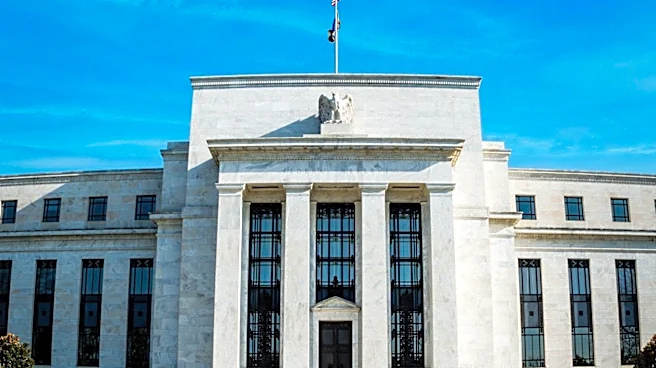
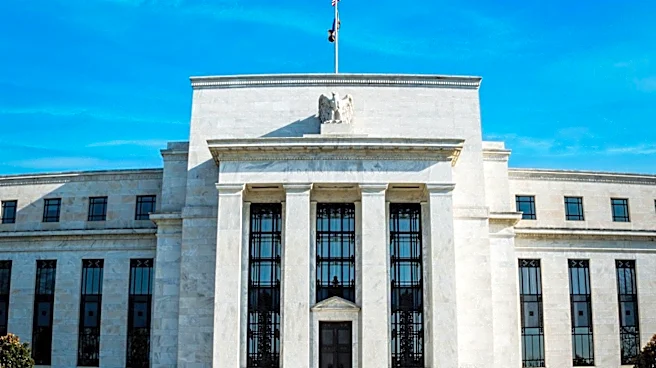
A recent Federal Reserve survey has identified artificial intelligence (AI) risks as the most significant threat to the financial system, surpassing all other dangers. The central bank's twice-yearly assessment,
which gathered input from market participants, economists, analysts, and institutional sources, found that 87% of respondents cited AI as a 'salient risk.' This marks a substantial increase from 50% in the spring survey of the same year. Concerns regarding AI span several areas, including its potential impact on debt, stock market valuations, and cybersecurity. Other notable risks identified in the survey included a risk asset correction (52%), higher long-term interest rates (48%), cyberattacks (43%), and fiscal debt sustainability (43%), with U.S. debt exceeding $40 trillion and the budget deficit nearing $2 trillion. Despite these concerns, the report generally found the financial system to be stable, though it noted that hedge fund leverage is at its highest level since 2013 and concentrated among a small group.
Why It's Important?
The identification of AI as the top risk to the financial system by the Federal Reserve underscores a growing concern among experts about the rapid advancement and integration of this technology. This is important because AI's pervasive nature means its risks could manifest in various forms, from algorithmic trading exacerbating market volatility to sophisticated cyberattacks leveraging AI, or even the creation of complex AI-related financial instruments that are difficult to regulate or understand. The potential for AI to influence debt levels and stock market valuations suggests a systemic risk that could affect a broad range of financial institutions and investors. The survey's findings highlight the need for policymakers and regulators to proactively address these emerging challenges to maintain financial stability and protect the broader economy from unforeseen disruptions caused by AI.
What's Next?
The Federal Reserve's identification of AI as a primary risk suggests that regulatory bodies and financial institutions will likely increase their focus on understanding and mitigating these threats. This could lead to the development of new regulations, guidelines, and risk management frameworks specifically tailored to AI technologies within the financial sector. There may also be increased investment in cybersecurity measures and research into the potential systemic impacts of AI. Financial institutions might be prompted to conduct more thorough assessments of their AI models and their potential vulnerabilities. The ongoing dialogue between policymakers, tech developers, and financial experts will be crucial in shaping the future landscape of AI regulation and risk management in the U.S. financial system.
Beyond the Headlines
Beyond the immediate financial implications, the recognition of AI as the top risk by the Federal Reserve points to a broader societal challenge. The rapid evolution of AI technology often outpaces regulatory and ethical frameworks, creating a gap that could be exploited. The concerns about 'frontier AI models' causing damage and 'complex forms of AI-related financing' highlight the potential for unforeseen consequences and the need for a multidisciplinary approach to governance. This includes not only financial regulation but also ethical considerations, data privacy, and the responsible development of AI. The survey's findings could catalyze a more comprehensive national strategy for AI risk management, extending beyond finance to critical infrastructure and national security, ensuring that the benefits of AI are realized without compromising stability.