





What's Happening?
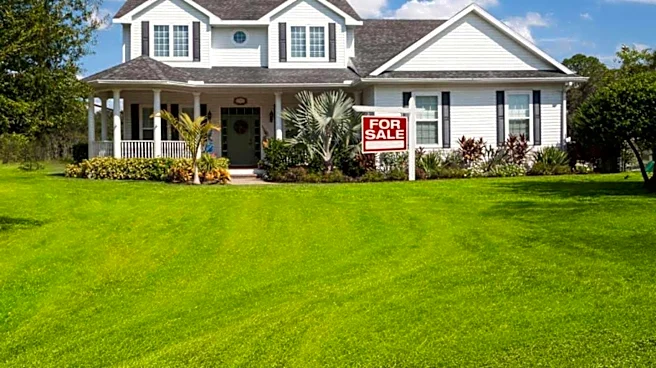
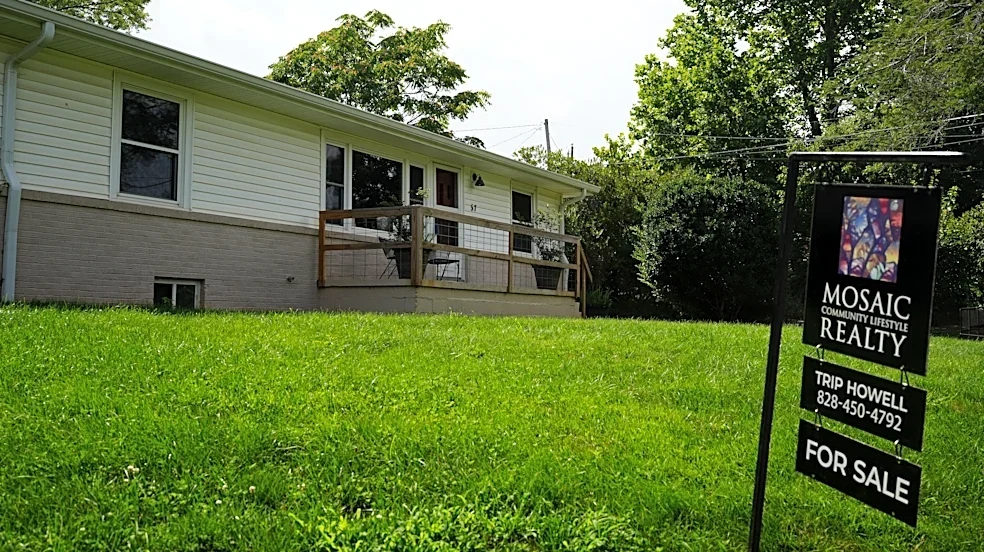
The real estate market in Delaware is currently undergoing a significant cooling trend, characterized by an increase in housing inventory and a notable rise in foreclosure rates. According to Jason Giles, President of Patterson Schwartz Real Estate, New
Castle County now has a four-month supply of housing, while Sussex County has reached a six-month supply. This increase in available homes is leading to longer market times for properties and necessitating that sellers adjust their pricing expectations. Concurrently, real estate attorney Bill Dolan highlights that Delaware's foreclosure rates are among the highest in the nation. Dolan also warns of an impending crisis in the commercial real estate sector, as many five-year fixed loans are set to adjust to significantly higher interest rates, potentially impacting businesses and property owners across the state. This dual pressure on both residential and commercial markets indicates a challenging period for Delaware's real estate landscape.
Why It's Important?
This cooling trend in Delaware's real estate market carries significant implications for homeowners, prospective buyers, and the broader state economy. For sellers, the increased inventory and longer market times mean they may need to lower their asking prices, potentially impacting their financial returns and equity. Buyers, while facing higher interest rates, might find more options and less competition, shifting the market dynamics in their favor. The high foreclosure rates are particularly concerning, as they can lead to depressed property values, increased housing instability for affected families, and a potential strain on local social services. Furthermore, the anticipated commercial real estate crisis, driven by adjusting loan rates, could lead to business closures, job losses, and a reduction in commercial property values, affecting local tax revenues and the overall economic health of Delaware. This situation underscores a period of adjustment and potential vulnerability for the state's financial and housing sectors.
What's Next?
In the immediate future, Delaware's real estate market is expected to continue its cooling trajectory. Sellers will likely face ongoing pressure to adjust pricing to meet market demand, and the duration properties spend on the market may extend further. The rising foreclosure rates suggest that more properties could enter the market through distressed sales, potentially exacerbating the inventory increase. For the commercial sector, the adjustment of five-year fixed loans to higher interest rates will be a critical point, with many businesses potentially facing increased financial burdens. This could lead to a wave of commercial property sales or foreclosures, further impacting the market. Stakeholders, including real estate agents, lenders, and policymakers, will need to monitor these trends closely to mitigate potential negative impacts and support market stability. The situation may also prompt discussions around housing assistance programs or economic development initiatives to cushion the effects of the downturn.
Beyond the Headlines
Beyond the immediate market fluctuations, the current real estate trends in Delaware highlight deeper economic and social shifts. The high foreclosure rates, for instance, could expose underlying vulnerabilities in household finances and access to affordable housing, potentially widening economic disparities. The impending commercial real estate crisis could also signal a broader reevaluation of business models and investment strategies in a higher interest rate environment, potentially leading to a restructuring of urban and suburban commercial landscapes. This period of adjustment might also prompt a re-examination of lending practices and regulatory frameworks to prevent future market instability. The long-term implications could include a more cautious approach to real estate investment, a greater emphasis on financial resilience for both homeowners and businesses, and potentially new policy initiatives aimed at fostering sustainable growth and equitable access to housing and commercial opportunities within the state.