


What's Happening?
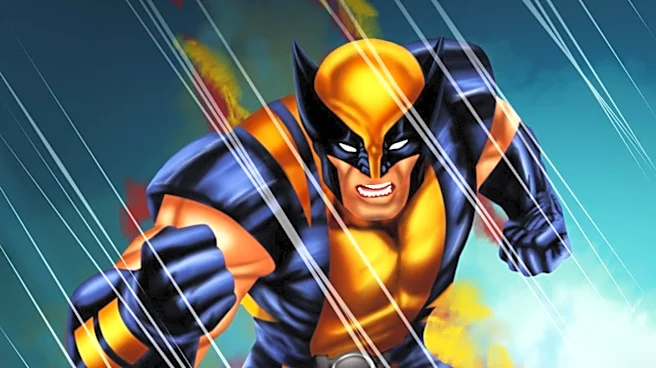
The current Wolverine comic series, 'Wolverine (Vol. 8),' written by Saladin Ahmed, is facing criticism for its perceived lack of direction and heavy reliance on nostalgia. Despite Wolverine's status as one of Marvel's most popular characters, the series has
seen a significant drop in sales, falling from a top 25 seller to often outside the top 50. Ahmed, an Eisner Award-winning writer, intended to emulate the long-form storytelling style of legendary comic writer Larry Hama, whose run on 'Wolverine (Vol. 2)' is highly regarded. However, critics argue that Ahmed's approach, which includes revisiting elements like bone claws and feral Wolverine, feels aimless and overly dependent on past storylines. The series introduced a new threat, the Adamantine, a sentient magical metal, but even this central plotline is described as lacking cohesion and a clear trajectory. This has led to a disconnect with newer generations of fans who do not share the same nostalgic connection to older Wolverine narratives.
Why It's Important?
The declining sales and critical reception of 'Wolverine (Vol. 8)' highlight a significant challenge for Marvel Comics in balancing character legacy with contemporary storytelling. Wolverine is a cornerstone character in the Marvel universe, and his solo series' performance can reflect broader trends in the comic book industry. The issue of 'writing for the trade' (creating stories designed for collected editions) versus more episodic narratives is central to this discussion. While long, evolving arcs were once common, modern readers often expect more focused, self-contained stories within a run. The struggle to engage both long-time fans and new readers without alienating either group is crucial for the sustained popularity of iconic characters. A lack of clear direction in a flagship title like Wolverine could impact Marvel's overall sales and creative strategy, potentially leading to re-evaluations of editorial approaches and creative teams for other major characters.
What's Next?
The future of 'Wolverine (Vol. 8)' under Saladin Ahmed's tenure remains uncertain given the current criticisms and sales performance. Marvel Comics may need to address the feedback regarding the series' direction and its reliance on nostalgia. Potential next steps could include a shift in the creative team, a re-evaluation of the storyline's focus, or a more explicit attempt to introduce fresh narratives that appeal to a broader audience beyond those with deep historical knowledge of the character. The X-office, which initially leaned into nostalgia with 'X-Men '97,' has reportedly moved away from this approach in other titles, suggesting a potential shift in editorial strategy that could eventually influence the Wolverine series. The ongoing performance of the comic will likely dictate whether significant changes are implemented to revitalize the title and re-engage its readership.
Beyond the Headlines
The situation with 'Wolverine (Vol. 8)' reflects a broader industry-wide debate about the role of nostalgia in ongoing comic book series. While leveraging established fan bases through familiar elements can provide initial sales boosts, an over-reliance on past glories without innovative storytelling can lead to stagnation and alienate new readers. This dynamic is particularly relevant for characters with decades of history, where balancing continuity with fresh perspectives is a constant challenge. The ethical dimension involves the responsibility of creators to evolve characters while respecting their core identity, avoiding mere replication of past successes. Culturally, the comic book medium is constantly adapting to changing reader expectations and consumption habits, with digital platforms and collected editions influencing how stories are structured and received. The struggle of 'Wolverine (Vol. 8)' underscores the delicate balance between honoring a character's legacy and ensuring its relevance for future generations of fans.