
What's Happening?
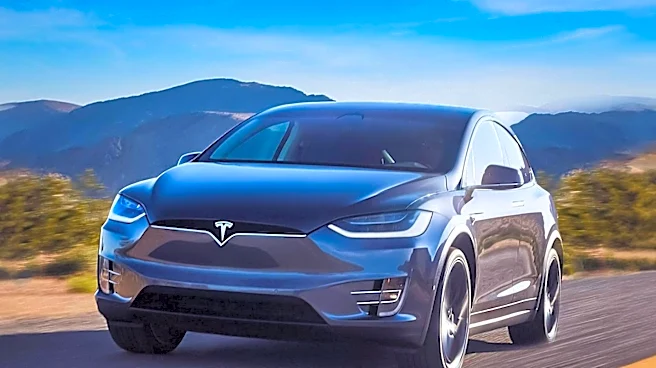
Javier Medrano, a former supervisor for Tesla's robotaxi operations, has filed a lawsuit against the company in Houston. The lawsuit alleges excessive workloads and unsafe working conditions within Tesla's autonomous vehicle program. Medrano's claims
highlight potential vulnerabilities in Tesla's ambitious plans for autonomous driving, raising questions about the sustainability of its aggressive timelines. The lawsuit suggests that Tesla's operational infrastructure may not be keeping pace with its technological ambitions, a concern that echoes past controversies in industries like aviation and nuclear energy.
Why It's Important?
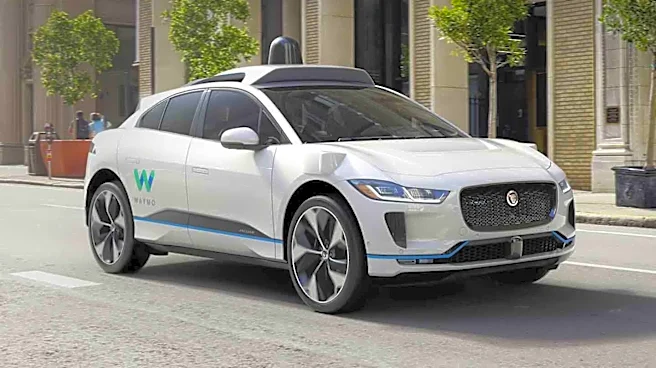
The lawsuit against Tesla could have significant implications for the autonomous vehicle industry. It underscores the tension between rapid technological advancement and the need for safety and regulatory compliance. If Medrano's claims are substantiated, it could lead to increased scrutiny from regulators and potentially stricter safety standards across the industry. Competitors like Waymo and Cruise, who emphasize safety protocols, might benefit from Tesla's negative publicity. For Tesla, the lawsuit could result in reputational damage, financial penalties, and delays in its robotaxi deployment. The case also highlights the broader industry challenge of balancing innovation with safety and employee welfare.
What's Next?
The lawsuit could trigger a chain reaction in the autonomous vehicle sector, prompting regulators to introduce updated guidelines on staffing ratios, data transparency, and accountability. Tesla may face federal investigations or additional lawsuits, potentially delaying its robotaxi commercialization. This situation could provide breathing room for competitors who have been more methodical in their deployments. The industry may see increased focus on working conditions and safety practices, with potential regulatory changes in the next 6 to 12 months.
Beyond the Headlines
While the lawsuit is significant, it is important to recognize that whistleblower complaints are not uncommon in high-stakes, fast-growing industries. Tesla has previously navigated controversies without major disruptions to its trajectory. However, the long-term risks of cumulative regulatory scrutiny and employee morale erosion should not be underestimated. The case serves as a wake-up call for the industry, emphasizing that innovation must not come at the expense of safety.