



What's Happening?
The U.S. beef industry is grappling with supply challenges despite the resumption of cattle imports from Mexico. The reopening of the U.S.-Mexico border for cattle imports aims to alleviate some pressure on American meat processors. However, experts indicate
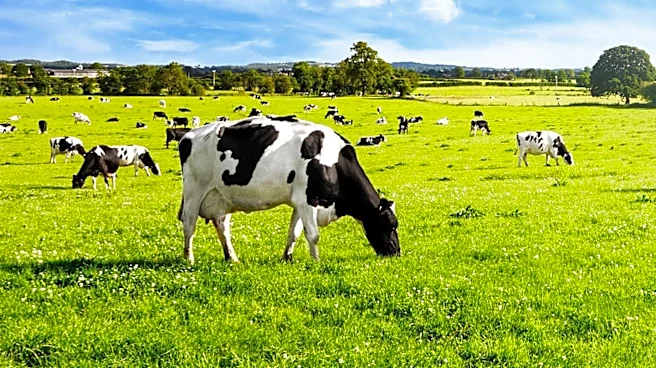
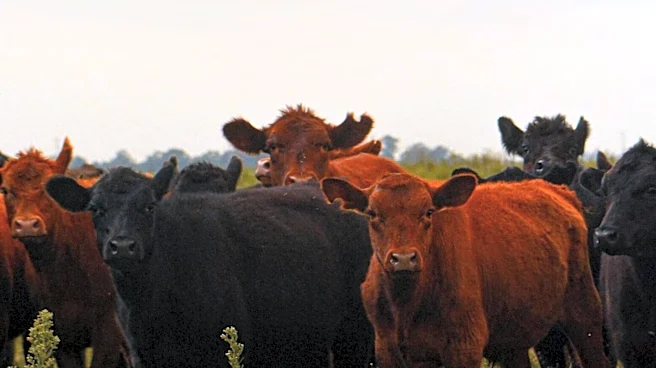
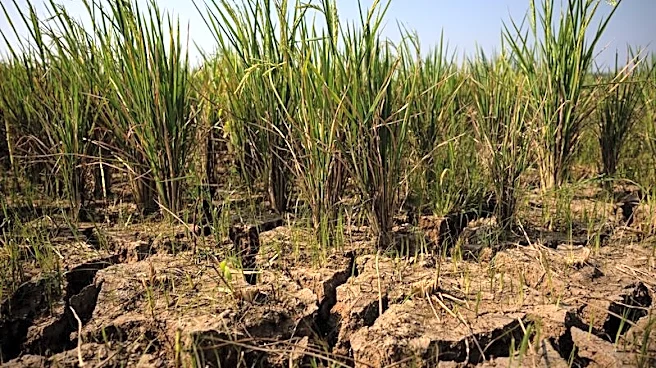
that this measure is insufficient to address the structural supply issues facing the industry. The U.S. has been increasingly reliant on Brazilian beef imports due to a significant decline in domestic cattle herds, which have reached their lowest levels since 1952. This situation has been exacerbated by prolonged droughts affecting pasture availability and increasing feed costs.
Why It's Important?
The ongoing supply challenges in the U.S. beef industry have significant implications for domestic meat prices and availability. The reliance on imports, particularly from Brazil, highlights vulnerabilities in the U.S. supply chain and raises concerns about food security and market stability. The structural issues in cattle supply could lead to sustained higher prices for consumers and impact the profitability of meat processors. The situation underscores the need for strategic solutions to enhance domestic production capabilities and reduce dependency on imports.
What's Next?
The U.S. may need to explore long-term strategies to rebuild its cattle herds and improve domestic production. This could involve policy measures to support cattle farmers and investments in sustainable agricultural practices. The gradual reopening of additional border points for Mexican cattle imports may provide some relief, but significant efforts are required to address the underlying supply issues. Stakeholders, including policymakers and industry leaders, will need to collaborate on solutions to stabilize the market and ensure a reliable meat supply.