





What's Happening?
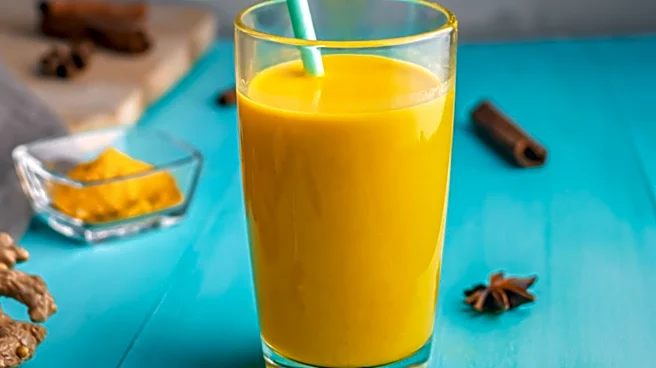
The U.S. beverage market is experiencing a notable shift towards non-carbonated drinks, particularly among consumers focused on health and wellness. In 2025, fizz-free beverages constituted 38% of new product launches in the $22 billion U.S. premixed
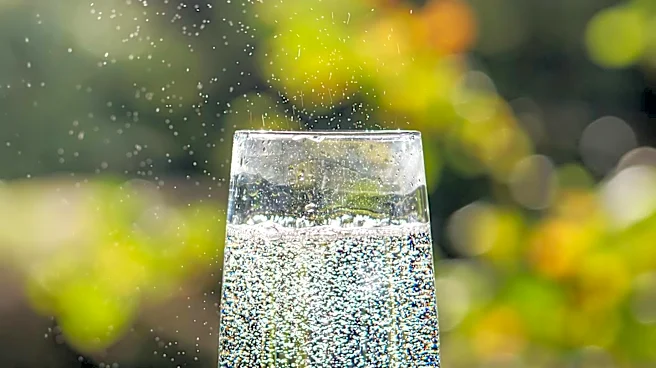
drinks market, a significant increase from 27% in 2021, according to IWSR data cited by Bloomberg. This trend is driven by a heightened consumer scrutiny of beverages through the lens of health, moving beyond just calories and clean ingredients to how drinks make them feel. Brands like Surfside, Sun Cruiser, Svedka Vodka Water, and Lucky One Lemonade are increasingly focusing on non-carbonated formats. While carbonated drinks can cause bloating or abdominal pressure for some, experts like Vikas Arora, a pharmacist specializing in gastrointestinal conditions, suggest that the primary culprits for discomfort are often sugar and caffeine, rather than carbonation itself. However, individual responses vary, and some studies indicate an association between carbonated beverage consumption and GERD risk.
Why It's Important?
This shift in consumer preference has significant implications for the U.S. beverage industry, signaling a move away from traditional carbonated soft drinks and even hard seltzers. Companies are adapting their product lines to meet the demand for healthier, non-carbonated options, which could lead to innovation in ingredients and formulations. The emphasis on wellness and how beverages physically affect consumers reflects a broader cultural trend, potentially influencing marketing strategies and product development across the food and drink sector. For consumers, this means a wider array of choices that align with health-conscious lifestyles, offering alternatives to sugary and caffeinated carbonated beverages. The focus on reducing discomfort from bloating or reflux also highlights a growing demand for functional beverages that offer perceived health benefits beyond basic hydration. This trend could also impact the market for carbonated drink machines, as consumers increasingly use them to enhance still water rather than replicate traditional sodas.
What's Next?
The U.S. beverage market is likely to see continued innovation in non-carbonated drink categories, with an emphasis on natural ingredients, low sugar content, and functional benefits. Manufacturers will probably invest more in research and development to create new flavor profiles and formulations that cater to wellness-minded consumers. We can expect to see more brands, both established and new, introducing non-carbonated versions of popular drinks or entirely new product lines. The focus on 'how the beverage will make them feel' suggests a future where drinks are increasingly marketed for their specific health benefits, such as aiding digestion, providing hydration without discomfort, or offering natural energy boosts. This could also lead to a re-evaluation of ingredients like artificial sweeteners and caffeine in all beverage types, as consumers become more discerning about their intake.
Beyond the Headlines
The growing preference for non-carbonated beverages reflects a deeper societal shift towards mindful consumption and a holistic approach to health. This trend extends beyond just drinks, influencing dietary choices and lifestyle habits across the U.S. It highlights a consumer base that is increasingly educated and proactive about their well-being, scrutinizing product labels and considering the long-term effects of what they consume. This could lead to a broader redefinition of 'healthy' in the food and beverage industry, moving beyond simple calorie counts to encompass digestive comfort, natural ingredients, and functional benefits. The 'sober curiosity movement' is also playing a role, encouraging individuals to be more aware of their physical responses to food and drink, which in turn drives demand for products that support this mindful approach. This cultural shift could foster a more transparent and health-focused industry landscape.