

What's Happening?
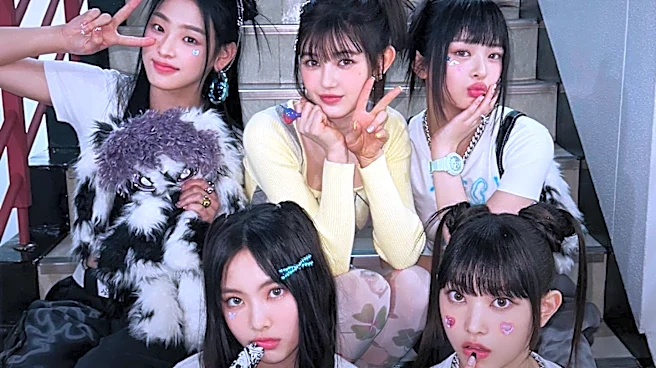
America is experiencing a booming nostalgia economy, with a significant resurgence of Y2K fashion and retro trends across various sectors. Gen Z is actively embracing Y2K styles like butterfly clips, low-rise jeans, baby tees, and velour tracksuits, while
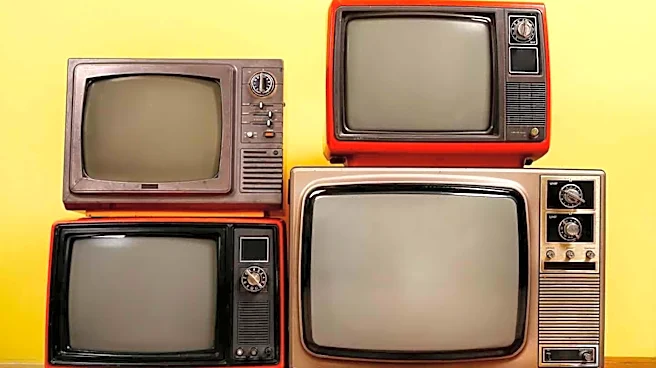
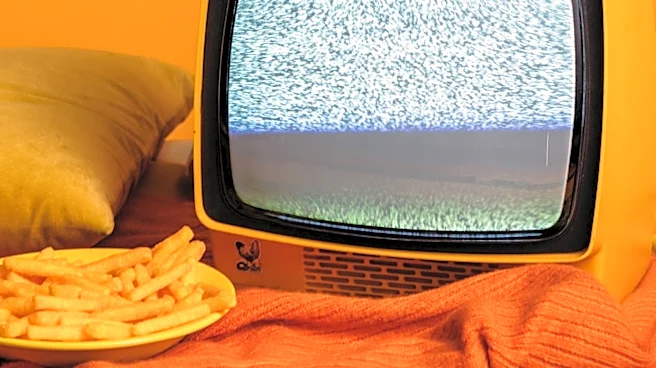
older generations are revisiting comfort foods, vinyl records, and retro tech and decor. Psychologists suggest that people often turn to nostalgia during times of stress, loneliness, or uncertainty, finding comfort in the familiar. This trend is evident in the music industry, where vinyl sales surpassed CDs in the U.S. since 2022, reaching over $1 billion in 2025. Even film and television are seeing a continuous stream of reboots and sequels from the 1970s and 1980s.
Why It's Important?
The thriving nostalgia economy has substantial implications for U.S. industries, driving consumer spending in specific market segments. Fashion retailers are adapting to meet the demand for Y2K and retro clothing, while the music industry benefits from increased vinyl sales. The entertainment sector sees continued investment in reboots and sequels, catering to audiences seeking familiar narratives. This economic trend also influences food and beverage industries, with a resurgence of classic comfort foods. Businesses that successfully tap into nostalgic sentiments can capture significant market share, as consumers are willing to spend on items that evoke positive memories or offer a sense of comfort and stability in uncertain times.
What's Next?
The nostalgia economy is expected to continue its growth, with brands and creators likely to further explore past decades for inspiration. We can anticipate more Y2K-inspired fashion collections, a sustained demand for vinyl records, and a steady stream of reboots and sequels in entertainment. The trend may also expand into other areas, such as retro gaming, vintage home goods, and experiential events that evoke past eras. Businesses will likely invest more in understanding consumer psychology related to nostalgia to tailor their products and marketing strategies effectively. This sustained interest suggests that the past will continue to heavily influence future consumer choices and market trends.
Beyond the Headlines
The pervasive nostalgia in American consumer culture reflects a deeper societal yearning for simpler times and a sense of security amidst rapid change and global uncertainties. Psychologically, nostalgia serves as a coping mechanism, providing emotional comfort and a sense of identity when the present feels overwhelming. This phenomenon also highlights the cyclical nature of cultural trends, where each generation reinterprets and re-embraces elements from the past. The current wave of nostalgia, particularly the Y2K revival, also underscores the influence of social media in democratizing and accelerating trend cycles, allowing younger generations to discover and adopt styles from before their time, creating a continuous feedback loop between past and present.