








What's Happening?
Ascentis Independent Advisors has significantly increased its investment in Taiwan Semiconductor Manufacturing Company Ltd. (TSMC), as reported in their latest 13F filing with the Securities and Exchange Commission. The firm acquired an additional 10,391
shares, raising its total holdings to 18,918 shares, valued at approximately $6,393,000. This move reflects a 121.9% increase in their position during the first quarter. Other institutional investors have also shown interest in TSMC, with several hedge funds purchasing new positions or increasing their stakes. Analysts have responded positively, with several raising their price targets for TSMC shares, indicating strong market confidence in the company's future performance.
Why It's Important?
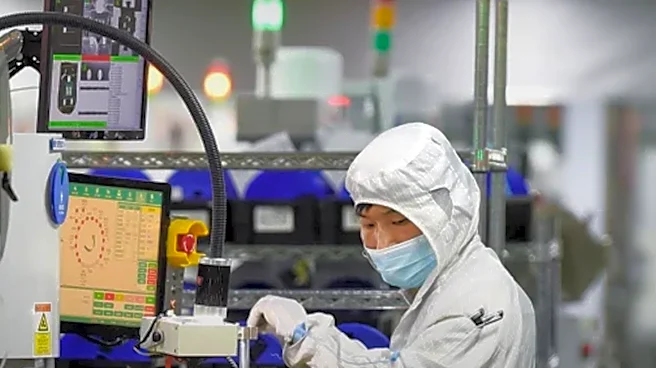
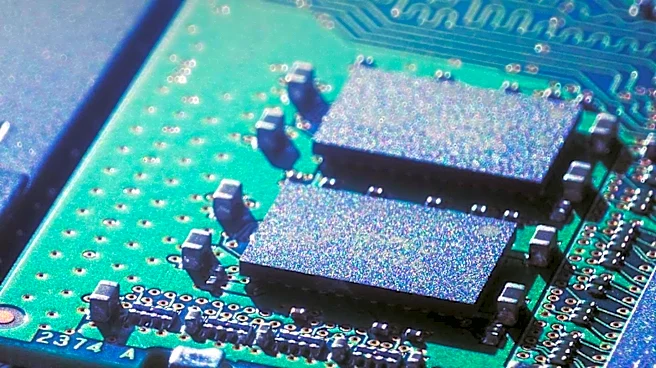
The increased investment by Ascentis Independent Advisors and other institutional investors in TSMC underscores the growing confidence in the semiconductor industry, particularly in the context of global supply chain challenges and increasing demand for advanced chips. TSMC, being a leading semiconductor foundry, plays a crucial role in the production of integrated circuits for various high-tech applications, including mobile devices and AI technologies. The positive analyst ratings and increased price targets suggest that TSMC is well-positioned to capitalize on the rising demand for semiconductors, potentially leading to significant growth in its market share and financial performance. This development is particularly relevant for U.S. industries reliant on semiconductor technology, as it may influence supply chain strategies and investment decisions.
What's Next?
With the increased stake by Ascentis Independent Advisors and positive market sentiment, TSMC is likely to continue its trajectory of growth. The company's strategic investments in advanced manufacturing technologies and capacity expansion could further strengthen its market position. Analysts and investors will be closely monitoring TSMC's quarterly earnings reports and any announcements regarding new partnerships or technological advancements. Additionally, the semiconductor industry may see increased regulatory scrutiny and policy developments, particularly in the U.S., as governments seek to secure supply chains and foster domestic production capabilities.