




What's Happening?
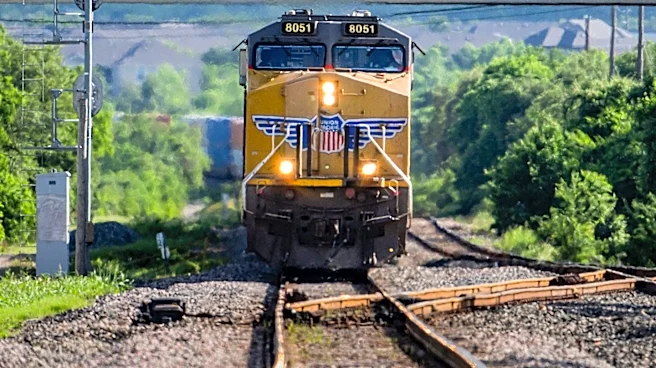
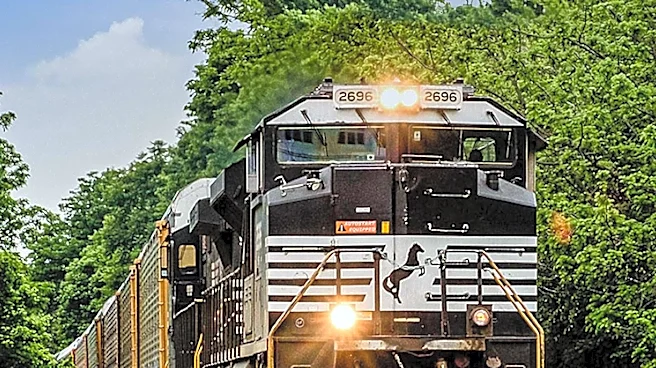
The federal Surface Transportation Board (STB) has frozen its review of Union Pacific's proposed $85 billion merger with Norfolk Southern. The STB initially rejected the merger application in December 2025, deeming it "facially incomplete." A revised
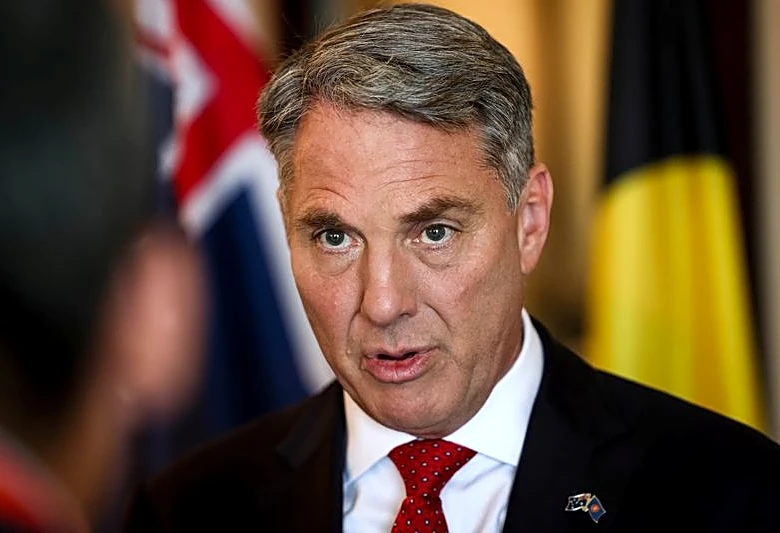
application submitted in April was accepted as minimally sufficient, but the board immediately halted its review, citing "unclear or underdeveloped" key parts of the application. The STB has ordered Union Pacific and Norfolk Southern to provide more details and enhance competition within their proposal. Board member Richard Kloster, appointed by President Trump, expressed significant concerns, stating that the railroads need to address "significant, compelling arguments" against the merger in detail. Kloster criticized the application for lacking "transparency and depth" and not offering a robust plan for protecting competition, suggesting the companies are offering concessions slowly.
Why It's Important?
This decision by the STB is significant because federal law requires railroad mergers to meet a stringent "public interest" standard, which is tougher than for other industries due to rail's essential role in the American economy. The STB's 2001 rules mandate that any Class I railroad mergers must demonstrably "enhance" competition and serve the public interest. The current application's shortcomings, as highlighted by the STB and Board member Kloster, indicate that the proposed merger may not meet these critical standards. If approved, a merger between two of the remaining four Class I railroads could lead to reduced competition, potentially resulting in inflated prices and diminished service for shippers, including farmers and manufacturers. Several states, including Montana, Florida, Iowa, Kansas, North Dakota, and South Dakota, along with large shipper organizations and rail unions, have already urged the STB to reject the application, arguing it does not serve the public interest.
What's Next?
Union Pacific and Norfolk Southern are now required to provide additional information and address the STB's concerns regarding the clarity, depth, and competitive aspects of their $85 billion merger application. The STB's decision to freeze the review, rather than reject it outright, suggests that the board is seeking more comprehensive data before making a final determination. The railroads will likely need to present a more robust plan for protecting competition and demonstrating how the merger would serve the public interest. The outcome of this review will set a precedent for future Class I railroad mergers and could significantly impact the structure of the U.S. freight rail industry. Stakeholders, including state attorneys general, shippers, and rail unions, will continue to monitor the process closely and advocate for their interests.
Beyond the Headlines
The STB's rigorous scrutiny of the Union Pacific-Norfolk Southern merger application underscores a broader regulatory shift towards prioritizing competition and public interest in critical infrastructure sectors. The board's insistence on a higher standard for railroad mergers, established in 2001, reflects lessons learned from past consolidation waves that led to service problems. This case highlights the tension between corporate interests seeking efficiency through consolidation and the public's need for competitive markets and reliable services. The STB's actions could signal a more assertive regulatory environment for large-scale mergers, particularly those involving essential services. The debate also touches on the role of government in balancing economic growth with consumer protection and market fairness, especially in industries vital to national commerce and supply chains.