



What's Happening?
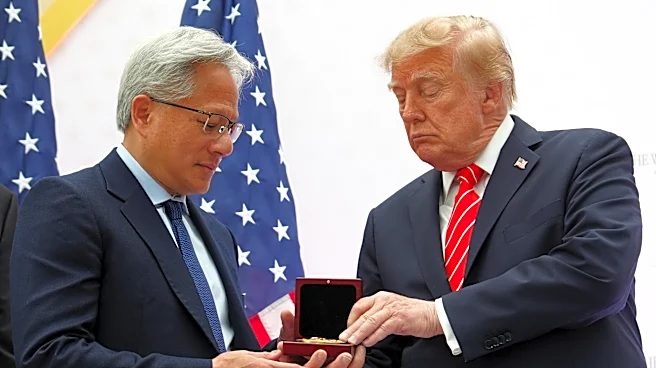
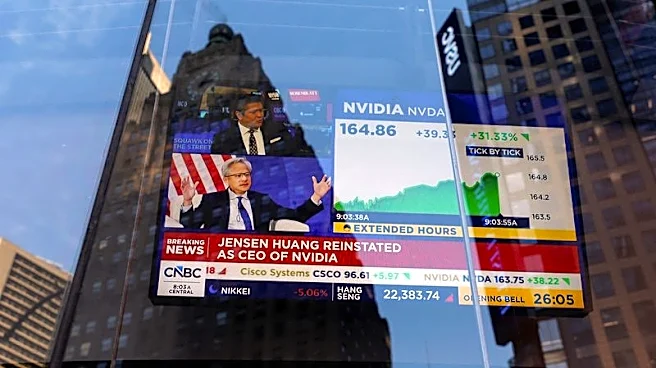
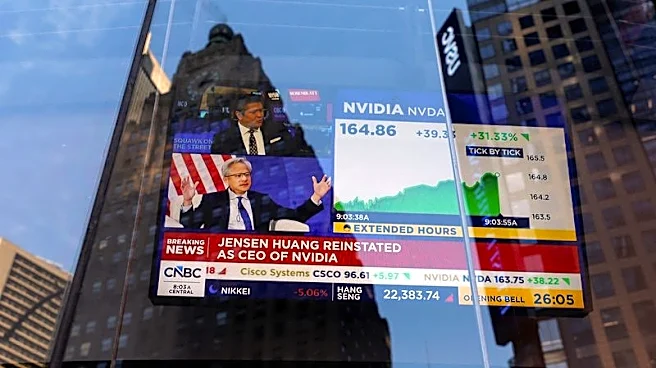
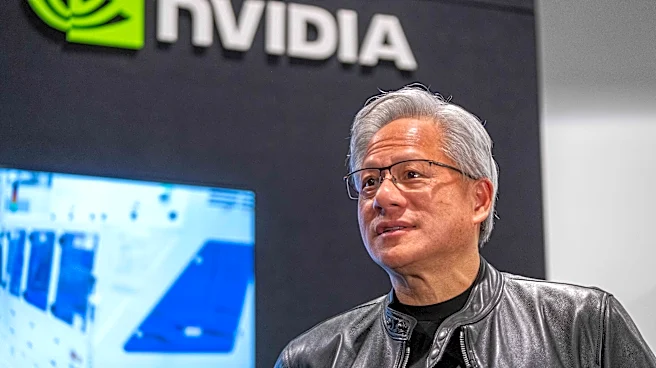
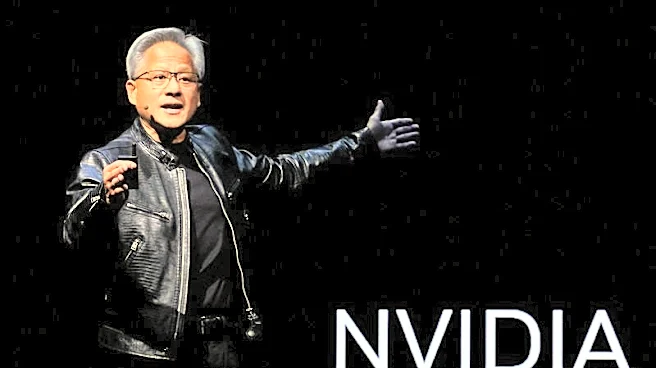
Jensen Huang has been reinstated as CEO of Nvidia following his resignation last week. His return has prompted calls for investigations into President Trump's involvement in his reinstatement and whether Nvidia violated export rules designed to prevent
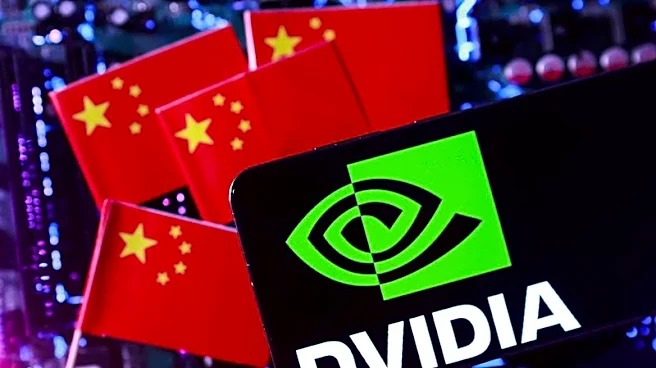
advanced chips from reaching China. Financial and governance experts indicate that Huang's return presents a range of legal and operational challenges for the company. One major concern involves allegations that a Singapore-based data center company, Megaspeed, a significant Nvidia customer, employed a Chinese businesswoman suspected of spying for China and allegedly smuggled Nvidia's advanced chips into China, providing remote access in violation of U.S. export controls. Huang and Nvidia's general counsel, Tim Teter, are scheduled for closed-door interviews with congressional panels in early December to discuss the company's ties to China, with Huang also slated for a public hearing before the Senate Banking Committee on U.S. export rules and global AI competition.
Why It's Important?
The reinstatement of Jensen Huang and the subsequent scrutiny highlight significant national security and economic implications for the U.S. The allegations of export rule violations and potential chip diversion to China underscore the ongoing geopolitical tensions surrounding advanced technology and artificial intelligence. If proven, such actions could compromise U.S. technological superiority and national security interests. The situation also raises questions about corporate governance at Nvidia, with potential shareholder lawsuits over the company's disclosure practices regarding the spying allegations and Huang's personal relationships. Increased regulatory oversight and tighter export restrictions on Nvidia's sales to China and Southeast Asian countries are anticipated, which could shrink Nvidia's market and impact its business model, as noted by Gil Luria, lead tech analyst at D.A. Davidson. This development could set a precedent for how U.S. tech companies navigate international markets while adhering to national security directives.
What's Next?
Jensen Huang and Nvidia general counsel Tim Teter are scheduled to appear for closed-door interviews with multiple congressional panels on December 1-2 to address the company's connections to China. Additionally, Huang is set to testify at a public hearing before the Senate Banking Committee on December 3, focusing on U.S. export rules and global AI competition. These hearings are expected to shed more light on the allegations and could lead to further regulatory actions or investigations. Nvidia's board is also expected to prioritize developing a robust succession plan for Huang, as his previous departure highlighted a lack of such a plan. The company may hire an outside consultant to assist in this process. Furthermore, the situation could trigger shareholder lawsuits concerning the company's disclosures and Huang's conduct, potentially leading to legal challenges for Nvidia and its board.
Beyond the Headlines
The controversy surrounding Jensen Huang's reinstatement and Nvidia's alleged export violations extends beyond immediate legal and financial concerns, touching upon deeper ethical and strategic implications. The incident underscores the 'key man' risk prevalent in Silicon Valley, where the departure of a charismatic leader can expose significant vulnerabilities in corporate governance and succession planning. This situation could prompt other tech companies to re-evaluate their leadership structures and contingency plans. Moreover, the allegations of advanced chip diversion to China highlight the complex ethical tightrope U.S. tech companies walk between global market expansion and national security obligations. It raises questions about the extent of corporate responsibility in monitoring the end-use of their products, especially those with dual-use potential. The outcome of the investigations and hearings could influence future U.S. policy on technology exports, potentially leading to more stringent controls and increased scrutiny of international partnerships, thereby reshaping the global landscape of AI development and competition.