




What's Happening?
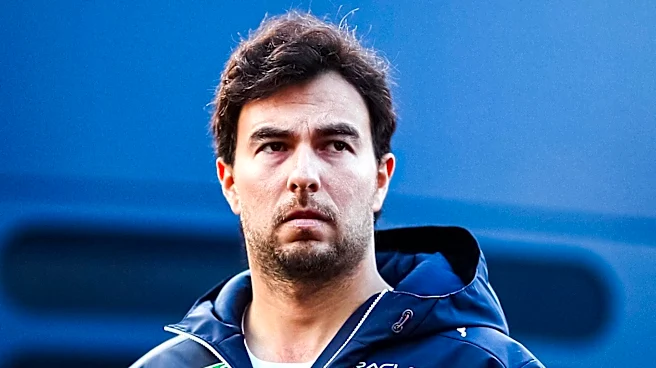
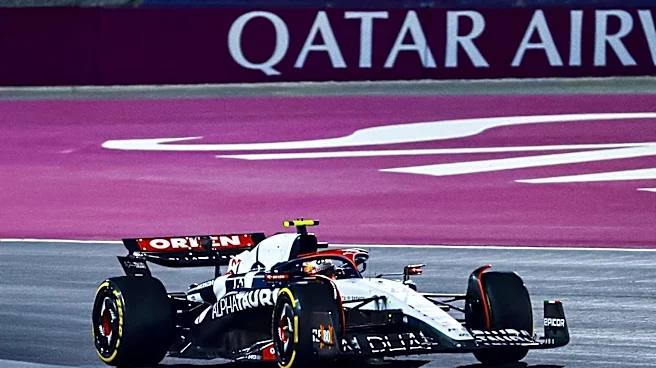
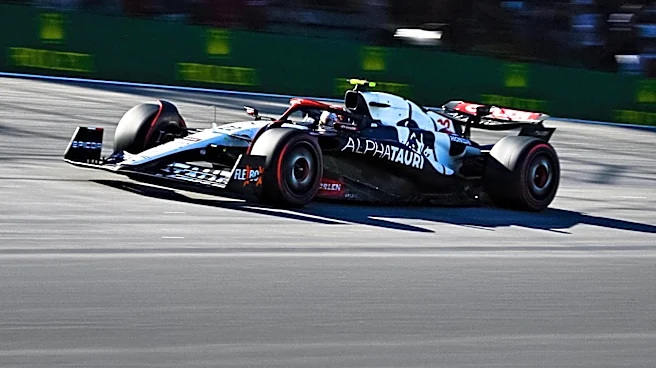
Liam Lawson, a driver for Racing Bulls, faces an uncertain future in Formula 1 despite a strong season where he currently ranks ninth in the drivers' championship with 83 points. His contract with Racing Bulls is set to expire at the end of the year,
and the team has yet to confirm its driver lineup for the upcoming season. Lawson, along with rookie teammate Arvid Lindblad and Formula 2 title contender Nikola Tsolov, are all vying for the two available seats. Racing Bulls' team principal, Alan Permane, recently signed a long-term contract extension, but a decision regarding Lawson's position has been delayed, leaving the driver in a 'blurry' situation. Lawson has expressed his desire to continue racing in Formula 1, emphasizing his consistent performance throughout the year. The team's decision is complicated by its role as a driver development program for Red Bull Racing, which prioritizes bringing in young talent for future progression.
Why It's Important?
The uncertainty surrounding Liam Lawson's Formula 1 future highlights the intense competition and strategic considerations within the sport, particularly for teams like Racing Bulls that serve as development grounds for larger entities like Red Bull. Lawson's strong performance, including scoring points in 14 of 19 rounds and contributing significantly to Racing Bulls' potential fifth-place finish in the constructors' championship, demonstrates his capability. However, the team's focus on nurturing new talent, such as Nikola Tsolov, suggests that immediate performance might not be the sole determinant for a seat. This situation could impact driver market dynamics, as a talented driver like Lawson, if not retained, would seek opportunities elsewhere, potentially displacing other drivers. It also underscores the pressure on young drivers to not only perform but also align with the long-term strategic goals of their parent teams, which can sometimes override individual merit.
What's Next?
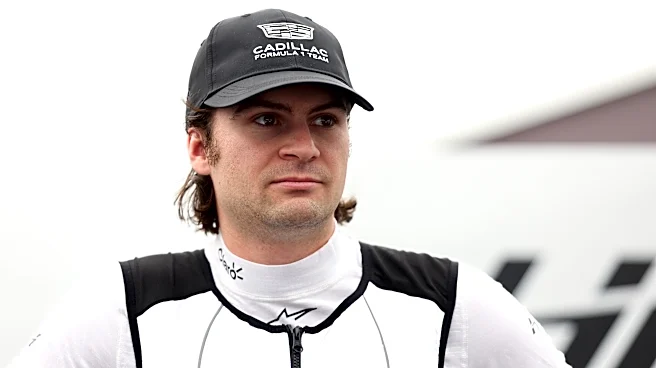
The immediate next step involves Racing Bulls making a definitive decision on its 2027 driver lineup, which is expected to be announced soon. Lawson has indicated that the situation is 'blurry' and that he has received little indication regarding his future. If Racing Bulls opts not to retain Lawson, he would need to explore other opportunities within Formula 1 or other racing series. There have been discussions in the paddock about potential interest from other teams, such as Cadillac, where Valtteri Bottas's seat might be under threat. The outcome will significantly influence the careers of Lawson, Lindblad, and Tsolov, and could lead to further driver market movements. The decision will also reveal Racing Bulls' long-term strategy regarding driver development versus immediate competitive performance.
Beyond the Headlines
The situation with Liam Lawson extends beyond a simple contract negotiation, touching upon the ethical considerations of driver development in Formula 1. Despite Lawson's proven performance and contribution to the team's success, the potential decision to replace him with a younger, less experienced driver like Nikola Tsolov raises questions about fairness and meritocracy within the Red Bull driver program. This scenario highlights the inherent tension between a team's immediate competitive goals and its long-term strategic objectives, particularly when acting as a feeder team. The emotional toll on drivers facing such uncertainty, as expressed by Lawson, also brings to light the human element in a highly competitive and business-driven sport. It could set a precedent for how driver talent is valued and managed within the Red Bull ecosystem, potentially influencing how other young drivers perceive their career paths within similar development programs.