






What's Happening?
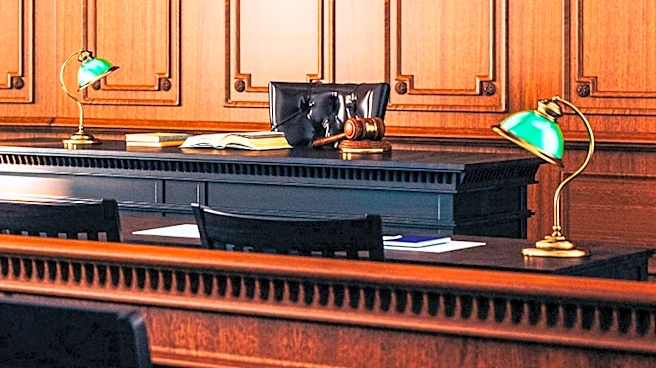
A federal judge has temporarily halted the $111 billion merger between Paramount and Warner Bros. Discovery for 14 days. This decision follows a lawsuit filed by a dozen states arguing that the merger would reduce competition and negatively impact the entertainment
industry. The Justice Department had previously approved the merger. The judge, Araceli Martinez-Olguin, indicated that the states provided compelling evidence that the merger could substantially lessen competition in the theatrical market. Paramount had already offered to delay the merger voluntarily, but the ruling adds a legal pause to the process. Paramount aims to expand its market presence to compete with major players like YouTube, Netflix, Amazon, and Apple. However, the states' lawsuit focuses on the potential impact on the theatrical and cable TV licensing markets.
Why It's Important?
The temporary block on the merger is significant as it highlights ongoing antitrust concerns in the entertainment industry. If the merger proceeds, it could reshape the competitive landscape, potentially reducing diversity in content and limiting consumer choices. The case underscores the tension between corporate expansion strategies and regulatory oversight aimed at maintaining market competition. Paramount's strategy to grow and compete with tech giants is at stake, and the outcome could influence future mergers and acquisitions in the industry. The decision also reflects broader concerns about the influence of large media conglomerates and their impact on market dynamics.
What's Next?
A hearing for a preliminary injunction is scheduled for next month, which will be crucial in determining the merger's fate. If the injunction is granted, it could delay the merger for several months, potentially jeopardizing the deal. Paramount faces financial pressure, as it must pay over $7 million daily to Warner Bros. shareholders if the merger is not completed by the end of September. The outcome of the hearing will be closely watched by industry stakeholders, as it could set a precedent for future antitrust cases in the media sector.