



What's Happening?
The fashion industry is increasingly moving beyond traditional runway presentations and into the realm of filmmaking, leveraging cinema as a powerful tool for storytelling and brand engagement. Brands like Balenciaga are enlisting acclaimed directors,
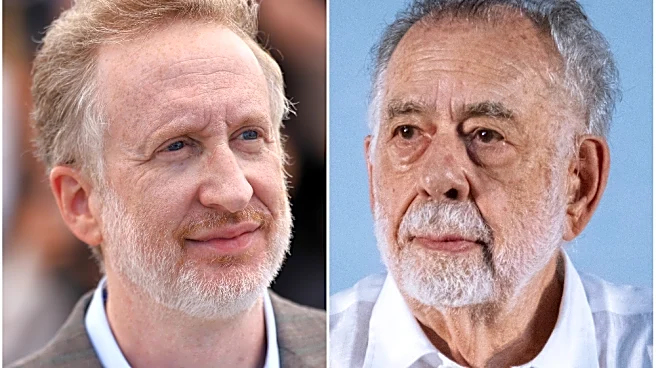
such as Celine Song, to create short films that build character studies around their designs, positioning clothing as a narrative thread rather than the sole focus. This approach prioritizes mood and story over direct product advertising. Chanel collaborated with Michel Gondry for a short film preceding its Métiers d'art show, creating a continuous narrative that extended onto the runway. Dior has announced a two-year creative partnership with A24, spanning film, theater, and live events. Saint Laurent Productions, launched in 2023, has backed acclaimed films like Pedro Almodóvar’s 'Strange Way of Life.' This trend reflects a deepening relationship between fashion and film, with brands supporting and producing cinematic content to connect with wider audiences and build immersive worlds.
Why It's Important?
This strategic pivot by the fashion industry holds significant implications for marketing, brand identity, and consumer engagement. By embracing filmmaking, fashion houses can create richer, more immersive narratives that resonate with audiences beyond the traditional fashion demographic. This allows brands to build deeper emotional connections with consumers, moving away from overt product promotion towards a more subtle, story-driven approach. For the film industry, this influx of investment and creative collaboration from fashion brands provides new funding opportunities and platforms for filmmakers. It also signifies a recognition that fashion is not just about clothing but about culture, identity, and storytelling, broadening its appeal and relevance in the wider entertainment landscape. This shift could redefine how fashion collections are introduced and perceived, making them part of a larger cultural conversation rather than isolated seasonal events.
What's Next?
The trend of fashion brands investing in filmmaking is expected to grow, leading to more sophisticated and diverse cinematic productions. We may see an increase in fashion-funded film festivals, dedicated streaming platforms for fashion films, and deeper collaborations between fashion houses and film studios. This could also lead to new career paths for creatives who can bridge the gap between fashion design and cinematic storytelling. Brands might further integrate interactive elements into their film projects, allowing viewers to explore collections within the narrative. The success of these ventures could also influence other industries to adopt similar cross-medium storytelling strategies. Furthermore, as fashion films gain prominence, they could become a recognized genre within cinema, potentially influencing film criticism and awards. The focus will likely remain on creating compelling narratives that subtly integrate fashion, rather than overt advertising.
Beyond the Headlines
This convergence of fashion and film highlights a broader cultural shift towards experiential and narrative-driven consumption. It suggests that consumers are increasingly seeking meaning and connection beyond mere product acquisition. Ethically, this trend could raise questions about the blurring lines between art, commerce, and advertising, and how transparent brands are about their commercial intentions within artistic productions. Legally, it may lead to new frameworks for intellectual property rights in collaborative film projects between fashion and cinema. Culturally, it signifies fashion's evolving role as a powerful cultural commentator and storyteller, capable of engaging with complex themes and reaching diverse audiences. This deeper integration could also challenge traditional notions of what constitutes 'fashion content,' pushing boundaries and fostering innovation in both industries, ultimately enriching the cultural landscape with more interdisciplinary artistic expressions.