

What's Happening?
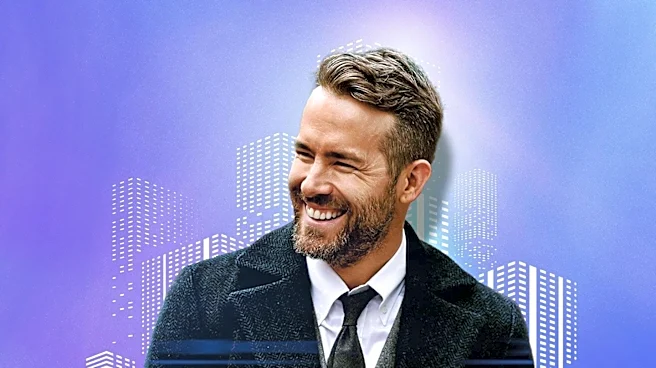
Actor Ryan Reynolds faced backlash after describing the 1980s as "brutal" and a "f***ing mess" during the promotion of his Cold War-era film, 'Mayday.' Reynolds suggested that people tend to romanticize past eras, overlooking their inherent difficulties.
He stated, "When you get far enough away from a time period that’s quite distinct, there’s always a lovely feeling associated with it, almost like you pave over all the trauma with puppy dogs and ice cream. The ’80s was a brutal, brutal time for people. It was a f***ing mess, and people forget that." This perspective was challenged by Spencer Pratt, a former reality TV star, who argued that the 1980s represented a period of cultural sanity with clear distinctions between good and evil, contrasting it with what he perceives as Hollywood's current tendency to glorify anti-heroes and villains. Christian Toto, a film critic, supported Pratt's view, highlighting a cultural divide regarding the portrayal of heroes and villains in modern media.
Why It's Important?
This exchange highlights a significant cultural and generational divide in the perception of historical periods and the role of media in shaping societal values. Pratt's criticism, supported by film critic Christian Toto, suggests that Hollywood's increasing focus on anti-heroes and the redemption of morally ambiguous characters could have broader implications for American culture. The debate touches upon the idea of whether popular culture influences or reflects societal norms, particularly concerning morality and heroism. If, as Pratt suggests, Hollywood is now "bend[ing] over backwards to redeem wickedness and mental illness," it could contribute to a blurring of ethical lines and a shift in how society defines and responds to moral challenges. This discussion is important for understanding the ongoing dialogue about media responsibility and its potential impact on public perception and cultural cohesion.
What's Next?
The debate sparked by Reynolds' comments and Pratt's response is likely to continue within entertainment and cultural commentary circles. As more films and television shows feature complex or morally ambiguous protagonists, discussions about the impact of these narratives on societal values will persist. Audiences and critics may become more attuned to how historical periods are depicted in media and how characters are framed as heroes or villains. This could lead to increased scrutiny of creative choices in Hollywood and potentially influence future storytelling trends. The ongoing conversation may also prompt further reflection on the role of nostalgia in shaping collective memory and how different generations interpret past events through the lens of contemporary issues.
Beyond the Headlines
Beyond the immediate controversy, this discussion delves into deeper philosophical questions about the nature of heroism, morality, and the influence of popular culture on collective consciousness. The contrast between the 'hero generation' of cinema, as exemplified by films like 'Top Gun,' and the 'anti-hero generation' that Reynolds is seen to represent, points to a fundamental shift in storytelling. This shift could reflect a growing societal comfort with moral ambiguity or a desire to explore the complexities of human nature beyond simplistic good-versus-evil narratives. However, as Pratt and Toto suggest, it also raises concerns about the potential erosion of clearly defined ethical frameworks. The debate implicitly questions whether a culture that increasingly empathizes with villains risks normalizing or even celebrating behaviors that were once unequivocally condemned, potentially impacting social cohesion and the understanding of right and wrong.