



What's Happening?
The hit film 'You Can See Everything' is now accessible to U.S. audiences through various streaming platforms. Viewers have two primary options: renting the film for $19.99 or purchasing a digital copy for $24.99. This premium video-on-demand release
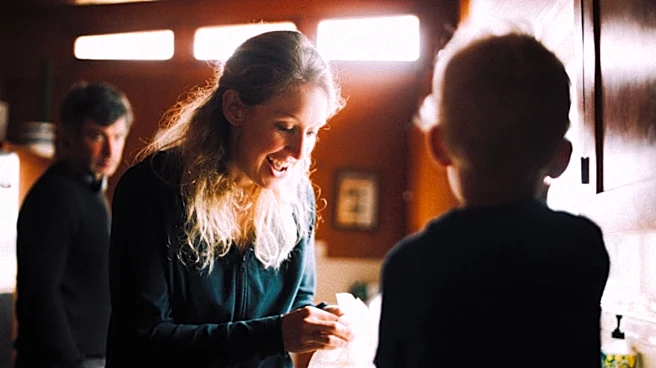
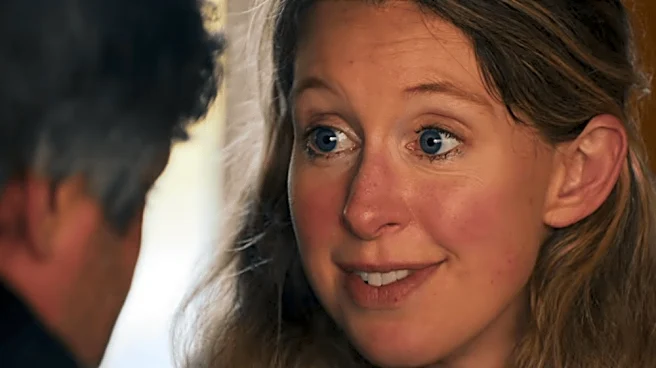
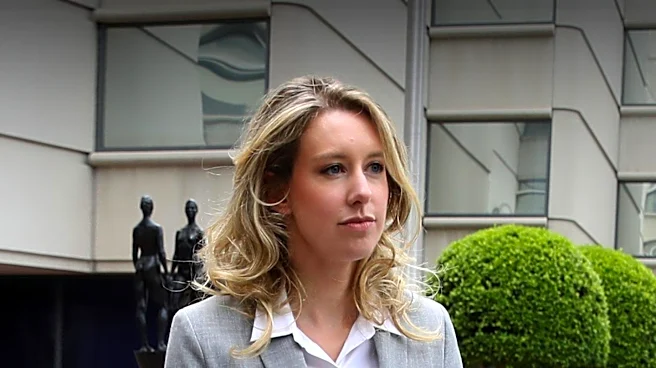
means it is not included with standard streaming subscriptions, allowing viewers to access it without a monthly commitment to a specific service. The film is available on Amazon Prime Video, Apple TV, and Fandango. Notably, a paid Amazon Prime membership is not required to rent or buy the film through Amazon Prime Video, and similarly, Apple TV+ subscription is not needed for purchases or rentals via Apple TV. Fandango at Home also offers a pay-per-film option. The documentary chronicles the true story of Elizabeth Holmes, the founder of Theranos, focusing on her final days of freedom before her imprisonment for fraud. It features filmmaker Nathan Fielder and has gained significant viral attention.
Why It's Important?
The release strategy for 'You Can See Everything' highlights a growing trend in the U.S. entertainment industry, offering consumers more flexible access to new content outside of traditional subscription models. This approach caters to viewers who prefer to pay for individual titles rather than committing to multiple monthly streaming services, potentially broadening the film's reach. For platforms like Amazon Prime Video, Apple TV, and Fandango, offering direct rental and purchase options without requiring a full subscription can attract a wider user base and generate additional revenue streams. This model also empowers consumers by giving them more control over their viewing choices and spending, potentially reducing 'subscription fatigue' as the streaming market becomes increasingly saturated. The film's subject matter, focusing on a high-profile fraud case, also resonates with public interest in true crime and business ethics, making its accessibility a significant factor in its potential impact.
What's Next?
The success of 'You Can See Everything' with its premium video-on-demand model could influence future release strategies for other films in the U.S. entertainment market. If this approach proves profitable, more studios and distributors might opt for similar direct-to-consumer options, especially for highly anticipated or niche content. This could lead to a more fragmented but also more customizable viewing landscape for consumers. Streaming platforms will likely continue to experiment with hybrid models that combine subscription services with transactional video-on-demand (TVOD) offerings to maximize revenue and audience engagement. The ongoing evolution of content distribution will likely see further innovations in how films are brought to home audiences, balancing the benefits of broad subscription access with the profitability of individual sales and rentals.
Beyond the Headlines
The shift towards premium video-on-demand for films like 'You Can See Everything' reflects a deeper transformation in how content is valued and consumed in the digital age. It challenges the traditional theatrical release window and the all-you-can-eat subscription model, suggesting a consumer preference for choice and flexibility. This trend could have long-term implications for film financing, production, and marketing, as distributors gain more data on direct consumer purchasing habits. Ethically, it raises questions about equitable access to content, as premium pricing might exclude some audiences, while simultaneously offering greater accessibility than a limited theatrical run. Culturally, it reinforces the power of compelling storytelling, particularly true-crime narratives, to captivate audiences across various distribution channels, further blurring the lines between news, documentary, and entertainment.