





What's Happening?
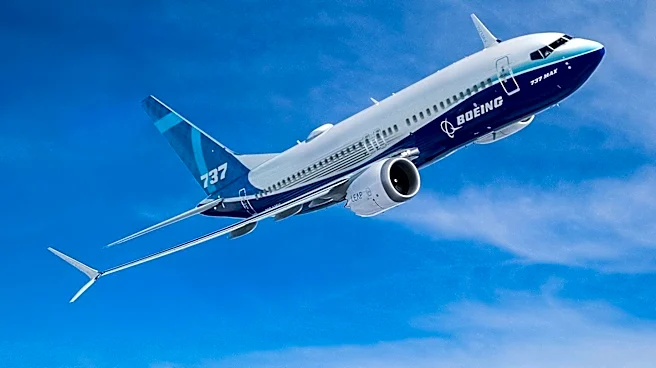
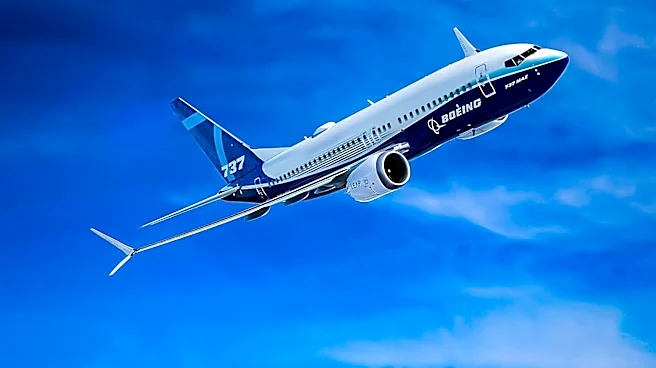
Boeing has received an order for 50 single-aisle jets from Xiamen Airlines Co., a subsidiary of China Southern Airlines. This marks China's most substantial purchase from the American aerospace company in almost a decade. The order, valued at approximately
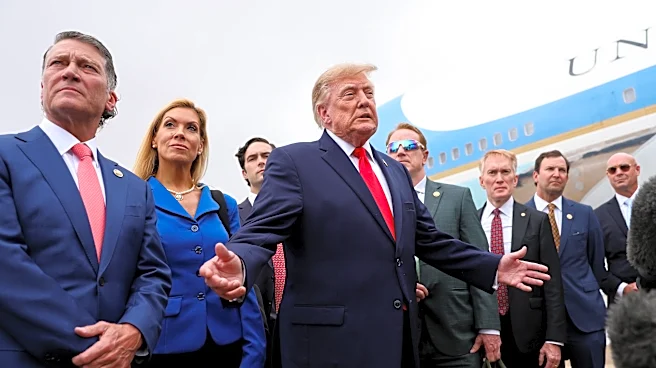
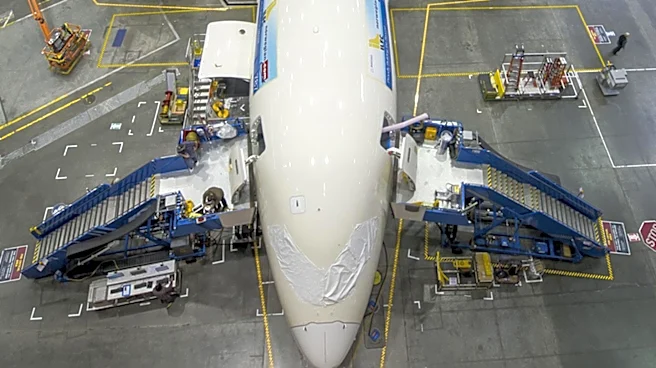
$7.4 billion before discounts, primarily consists of Boeing's 737-8 MAX aircraft. This deal follows a broader commitment from China earlier in the year to acquire hundreds of Boeing aircraft, signaling an end to a period of uncertainty regarding Boeing's presence in the Chinese aviation market. President Trump had previously indicated expectations for China to purchase an additional 250 jets, aiming to bring the total closer to an initial projection of around 500 planes. This agreement is Boeing's largest with a Chinese airline since 2017, a period during which the company faced production and quality challenges linked to major accidents. Concurrently, Boeing announced on November 9 its plan to reduce its commercial airplane workforce by about 5% through layoffs and attrition, and to decrease commercial airplane production. This decision, communicated by Stephanie Pope, head of Boeing Commercial Airplanes, aims to stabilize factories and supplier operations amidst production setbacks, including issues with 737 MAX delivery targets and Renton wing shop problems.
Why It's Important?
This significant order from China is crucial for Boeing, as it re-establishes a strong foothold in one of the world's largest and fastest-growing aviation markets after a period of strained relations and production difficulties. The deal not only provides a substantial revenue boost but also signals renewed confidence in Boeing's aircraft, particularly the 737 MAX, which had faced scrutiny. For the U.S. economy, this export deal supports American manufacturing jobs and contributes positively to the trade balance, especially given the long-standing trade tensions between the U.S. and China. President Trump's strategy of leveraging trade and tariffs to secure favorable deals for American companies appears to have yielded results in this instance. Conversely, Boeing's decision to cut its commercial airplane workforce by 5% highlights ongoing internal challenges related to production stability and supply chain issues. While the China order is a positive development, the workforce reduction indicates that the company is still navigating operational hurdles, which could impact its overall production capacity and delivery schedules in the short term. The move to 'reset the pace of production rate ramps' suggests a strategic shift towards quality and stability over rapid output increases.
What's Next?
Following this major order, Boeing will likely focus on fulfilling the delivery of the 50 737-8 MAX aircraft to Xiamen Airlines Co. This will involve coordinating with its supply chain and production facilities, particularly as the company simultaneously implements its announced workforce reductions and production adjustments. The success of these deliveries will be critical for Boeing to rebuild trust and potentially secure further orders from China, especially if President Trump's expectation of additional jet purchases materializes. The company will also need to carefully manage the impact of its workforce cuts on employee morale and operational efficiency, ensuring that the reductions do not compromise its ability to meet existing and future commitments. Furthermore, the aviation industry will be watching closely to see if this deal signals a broader trend of increased Chinese orders for Boeing, potentially shifting the balance from Airbus SE and Commercial Aircraft Corp. of China Ltd., which have seen significant orders from Chinese airlines in recent years. Boeing's ability to stabilize its production and address quality concerns will be paramount in capitalizing on this renewed market access.
Beyond the Headlines
This deal extends beyond a simple commercial transaction, reflecting complex geopolitical and economic dynamics between the U.S. and China. The timing of the order, following a period of trade disputes and Boeing's own production challenges, suggests a strategic move by both nations. For China, diversifying its aircraft fleet and maintaining relationships with major global manufacturers like Boeing could be seen as a way to ensure competitive pricing and access to advanced aviation technology, despite its growing domestic aircraft industry. For the U.S., securing such a large export deal underscores the importance of high-value manufacturing in international trade negotiations and the potential for economic leverage. The ongoing trade war, while often characterized by tariffs and restrictions, also involves strategic concessions and agreements that benefit key industries. This order could be interpreted as a de-escalation signal in certain sectors, or at least a pragmatic decision to continue essential business relationships. The long-term implications for global aviation supply chains and the competitive landscape between Boeing, Airbus, and COMAC will be shaped by how consistently such deals are made and how effectively Boeing addresses its internal production and quality control issues.