

What's Happening?
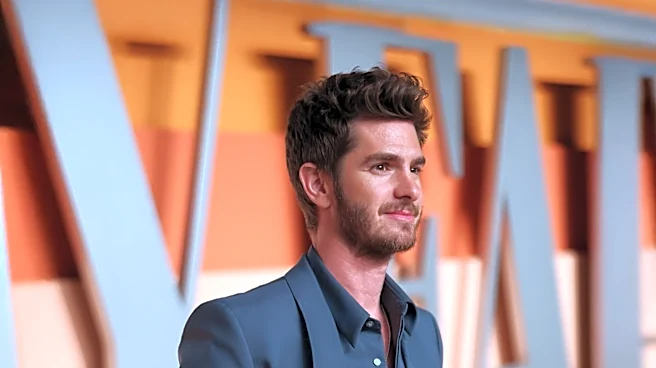
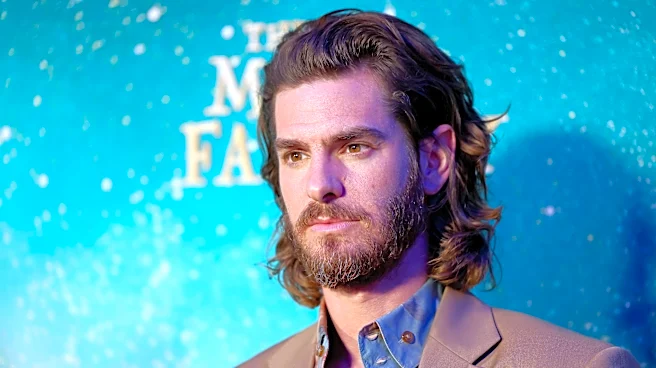
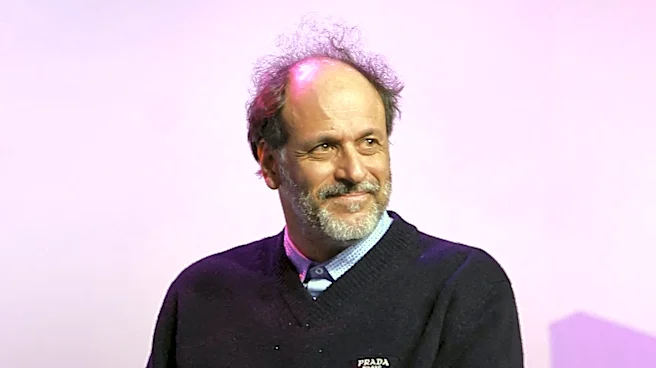
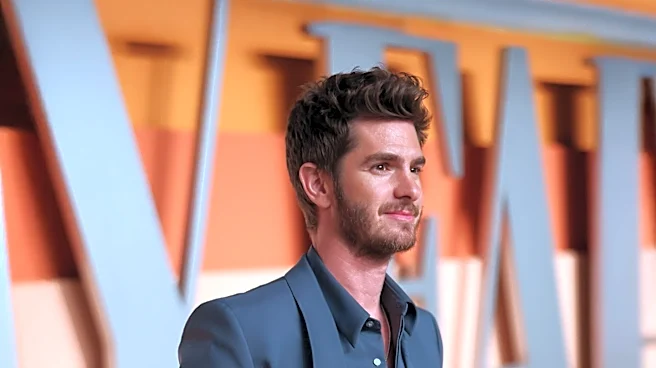
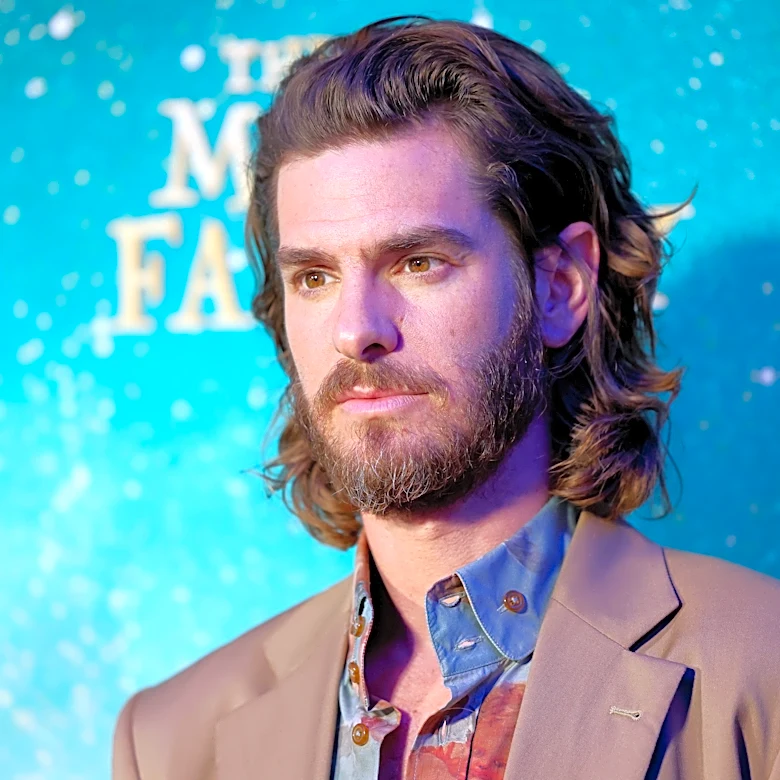
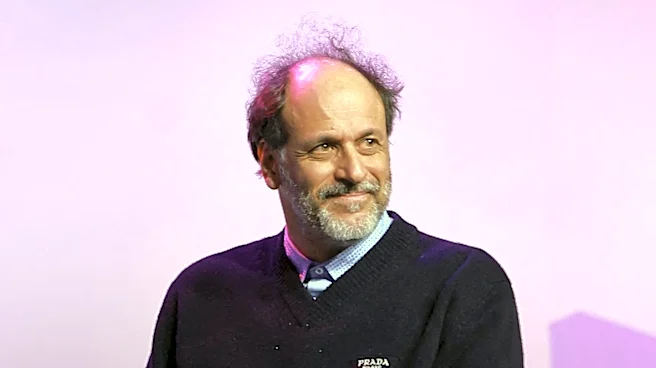
Luca Guadagnino's new film, 'Artificial,' is described as a monumental work that explores the ethical and existential implications of artificial intelligence, with a particular focus on the role of OpenAI CEO Sam Altman. The movie, starring Andrew Garfield
as Altman, depicts the creation of OpenAI and the rapid advancement of AI, moving from a founding-myth biopic to a boardroom comedy, and ultimately transforming into a chilling horror film. It portrays Altman as a charismatic but ultimately nihilistic figure, more concerned with power and profit than the long-term survival of humanity. The film suggests that the creators of AI are shrugging off their responsibility for the technology's potential dangers, even as it could lead to human extinction. The narrative highlights the tension between the scientific pursuit of AI, represented by Ilya Sutskever (Yura Borisov), and the capitalist drive for innovation and disruption, embodied by Altman. The film also touches upon the real-world implications for artistic freedom, noting that Amazon MGM dropped the nearly finished movie after Amazon's significant investment in OpenAI, though no direct connection has been proven.
Why It's Important?
The film 'Artificial' is significant because it brings critical scrutiny to the rapidly evolving field of artificial intelligence and the individuals at its forefront, particularly Sam Altman and OpenAI. By framing the narrative as a horror story, it aims to provoke a deeper societal conversation about the potential dangers and ethical responsibilities associated with AI development. The portrayal of Altman as a figure driven by power and profit, rather than solely by scientific advancement or human welfare, challenges the often-heroic narrative surrounding tech innovators. This cinematic exploration can influence public perception of AI, potentially fostering greater skepticism and demands for accountability from tech companies and their leaders. Furthermore, the film's own production history, with Amazon MGM dropping it after Amazon's investment in OpenAI, raises concerns about corporate influence on artistic expression and the potential for powerful entities to suppress critical narratives about their ventures. This highlights broader issues of media independence and the challenges of holding powerful tech companies accountable through cultural commentary.
What's Next?
The release of 'Artificial' is likely to generate considerable discussion and debate around the ethical implications of AI and the roles of its creators. It could spark renewed public interest in AI regulation and corporate responsibility within the tech industry. The film's critical portrayal of Sam Altman and OpenAI may prompt responses from the AI community, potentially leading to further dialogue about the industry's self-perception and public image. For the entertainment industry, the film's journey from Amazon MGM to Neon could serve as a case study on the complexities of financing and distributing content that is critical of major corporate players, especially those with vast economic interests. The film's themes may also inspire other artists and filmmakers to explore similar topics, contributing to a growing body of cultural commentary on the impact of AI on society. Ultimately, 'Artificial' aims to push audiences to confront the existential questions posed by advanced AI and consider the future trajectory of humanity in an increasingly AI-driven world.
Beyond the Headlines
Beyond its immediate narrative, 'Artificial' delves into profound philosophical and ethical dimensions of human progress and technological advancement. The film's central theme—humanity sacrificing itself at the altar of haste, greed, and insouciance—reflects a deep-seated anxiety about unchecked technological ambition. It implicitly questions whether the pursuit of artificial general intelligence is an inevitable path or a choice with potentially catastrophic consequences. The portrayal of Sam Altman as 'artificial' and nihilistic suggests a critique of leadership that prioritizes innovation and disruption without fully grasping or accepting the moral weight of its creations. This raises ethical questions about the accountability of those who wield immense technological power and the potential for a disconnect between technological capability and humanistic values. Culturally, the film taps into a growing unease about the future of work, human relevance, and even the definition of reality in an AI-dominated world. The film's own struggle for distribution also highlights the subtle but powerful ways corporate interests can shape public discourse and artistic freedom, adding another layer to its critique of unchecked power.