





What's Happening?
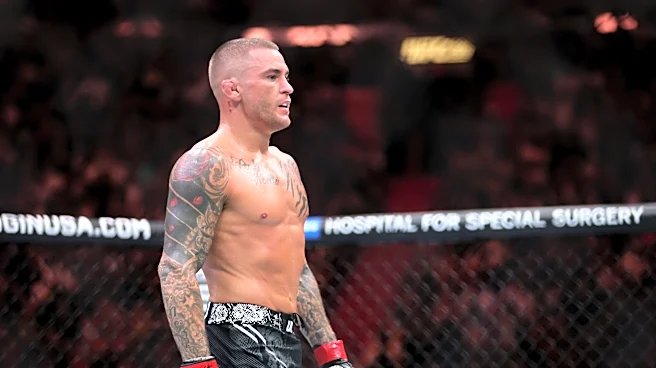
Dustin Poirier, a former UFC fighter, was recently involved in an incident at an airport in Atlanta where he was arrested for public drunkenness. The incident, which was captured on video, showed Poirier behaving erratically and attempting to confront
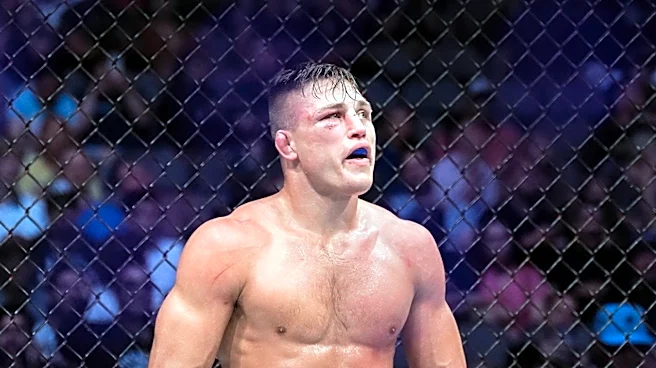
a police officer. This event has highlighted Poirier's difficulties in adjusting to life after retirement from professional fighting. Fellow fighter Drew Dober has publicly expressed his empathy for Poirier, acknowledging the challenges that come with leaving the sport. Dober, who is still active in the MMA scene, shared his own fears about retirement, noting that the structure and goals provided by fighting are crucial for maintaining personal discipline and mental health. He emphasized that the absence of these elements can lead to poor decision-making and personal struggles, as seen in Poirier's case.
Why It's Important?
The situation underscores the broader issue of mental health and adjustment challenges faced by athletes post-retirement. For many fighters, the transition from a structured, goal-oriented lifestyle to one with less direction can be difficult. This can lead to issues such as substance abuse and legal troubles, as seen with Poirier. The incident also brings attention to the need for better support systems for retired athletes to help them navigate life after sports. The public acknowledgment by Dober and others in the MMA community highlights the importance of addressing these challenges and finding ways to support athletes in their transition to post-competitive life.
What's Next?
As Poirier seeks help to address his current struggles, there may be increased calls within the MMA community and sports organizations to develop more comprehensive support systems for retiring athletes. This could include mental health resources, career transition programs, and mentorship opportunities to help athletes find new purposes and maintain their well-being after leaving the sport. The response from the community and organizations like the UFC could set a precedent for how similar situations are handled in the future.