



What's Happening?
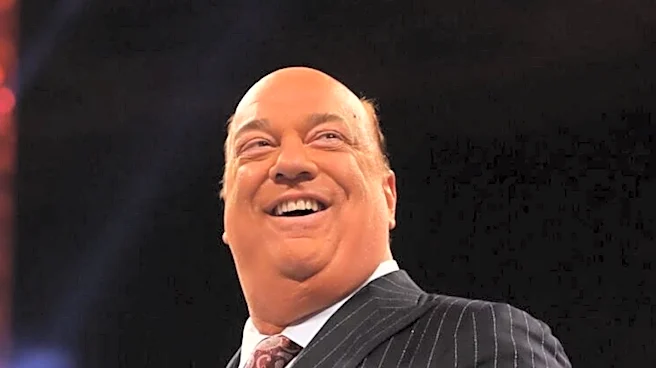
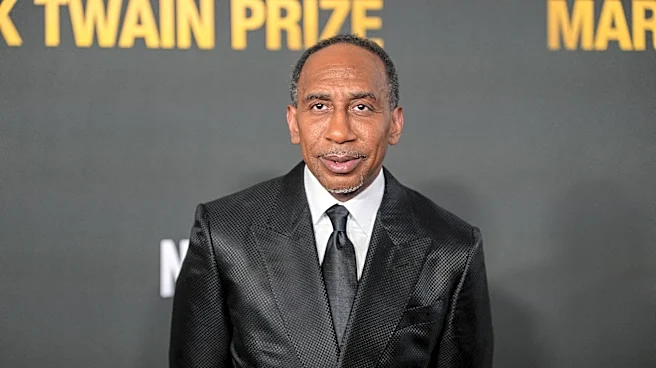
WWE Hall of Famer Paul Heyman has addressed recent criticism from ESPN personality Stephen A. Smith. Smith, during an episode of ESPN’s 'First Take' podcast, expressed disappointment with Heyman's recent portrayal in WWE, suggesting he has become 'too
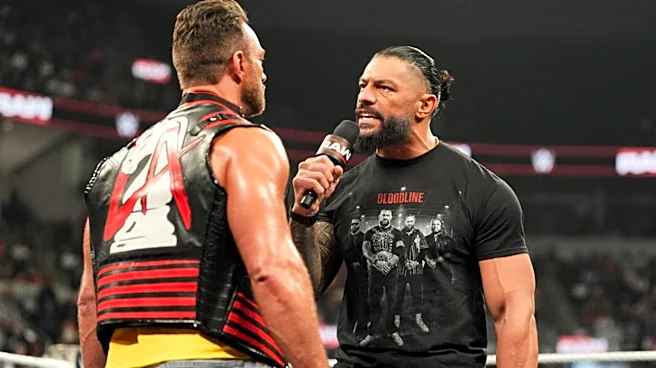
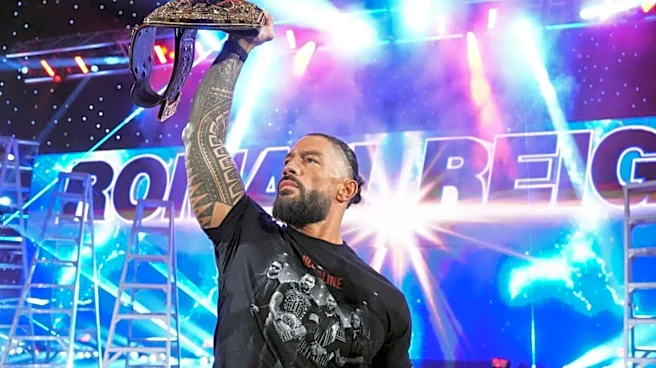
likable' and has 'lost touch of his luster' by being 'too fixated on being liked.' Smith stated that Heyman, who is typically known for a more antagonistic role, has not stood out as expected in recent months and has gotten 'a bit softer.' Heyman, currently serving as the Special Counsel for Roman Reigns, responded on Twitter, indicating his intention to provide a more detailed response to Smith's comments soon. He also used the opportunity to clarify his preferred titles, emphasizing that he does not appreciate being labeled merely as a 'manager,' preferring terms like 'WWE Hall of Famer,' 'Advocate,' 'Oracle,' 'Wiseman,' or '#GOAT.'
Why It's Important?
This exchange highlights the ongoing discussion within professional wrestling about character development and audience perception, particularly for veteran figures like Paul Heyman. Heyman's role as a 'heel' (villain) manager or advocate has historically been central to his effectiveness in generating fan engagement, often through eliciting strong negative reactions. Smith's critique suggests that Heyman's current character arc might be deviating from this established persona, potentially impacting the dynamic of the storylines he is involved in. For WWE, maintaining distinct and compelling character roles is crucial for narrative integrity and fan investment. If a prominent antagonist becomes too well-liked, it can dilute the intended conflict and reduce the emotional stakes for the audience. Heyman's public response also underscores the importance of how wrestling personalities are perceived and labeled, reflecting the nuanced understanding of roles within the industry.
What's Next?
Paul Heyman has indicated that he will address Stephen A. Smith's criticism in greater detail 'sooner rather than later.' This suggests a potential public response, possibly through his social media channels, a podcast appearance, or even within a WWE segment. Such a response could further fuel the discussion about his character and potentially lead to a storyline development within WWE, where Heyman might lean into or defy the 'too likable' label. The interaction could also prompt further commentary from other wrestling personalities or media figures, contributing to a broader conversation about the evolution of wrestling characters and the balance between fan appeal and traditional heel dynamics. His clarification regarding his titles also sets a precedent for how he wishes to be addressed, which could influence future commentary and promotional materials.
Beyond the Headlines
The exchange between Stephen A. Smith and Paul Heyman touches upon the evolving nature of character work in professional wrestling and the blurred lines between kayfabe (the portrayal of staged events as real) and reality. In an era where social media allows for direct interaction between performers and fans, and where personalities often appear in mainstream media, maintaining a consistent on-screen persona can be challenging. Heyman's response, while playful, also subtly reinforces his professional identity and legacy within the industry, distinguishing his multifaceted roles from a simple 'manager.' This situation reflects a broader trend in entertainment where public figures navigate their established personas with external critiques, often using these interactions to further engage their audience and shape their narrative. It also highlights the unique position of wrestling, where the 'performance' extends beyond the ring into public discourse.