





What's Happening?
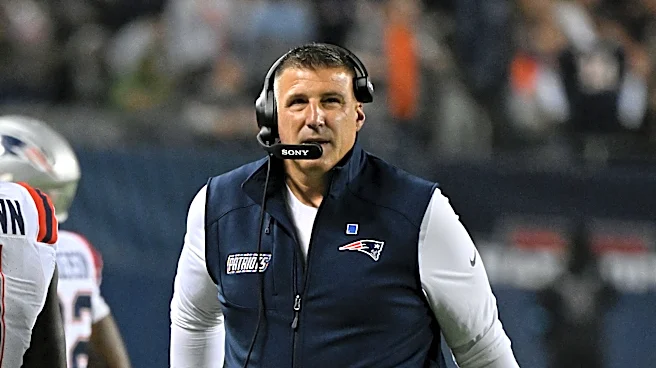
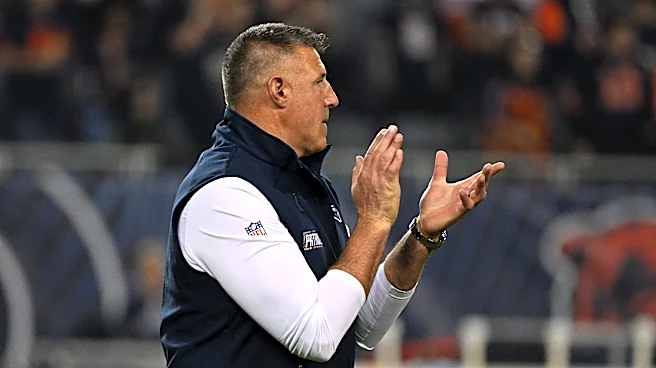
New England Patriots coach Mike Vrabel commented on a recent study indicating that nearly 75 percent of NFL players who died between 2008 and 2023 were found to have Chronic Traumatic Encephalopathy (CTE). The study, published in JAMA Network Open, also
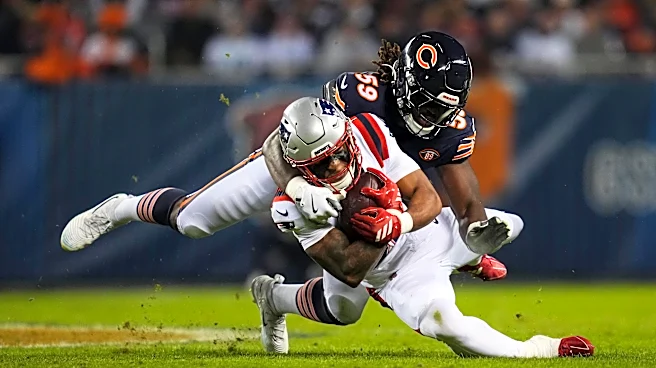
noted that approximately 27 percent of these players experienced dementia during their lifetime. Vrabel, who played 14 seasons in the NFL before becoming a coach, acknowledged the inherent risks of playing professional football. He stated that he was aware of these risks during his playing career, including potential injuries and unconsciousness on the field. Despite this, he expressed pride in the NFL's and the Players Association's efforts to improve player safety over time. Vrabel emphasized the importance of ensuring players can have a good quality of life after their careers, being able to function as husbands, fathers, and friends. He highlighted the league's ongoing commitment to making the game safer.
Why It's Important?
The study's findings underscore the significant long-term health risks associated with playing professional football, particularly concerning brain injuries like CTE. This is important for the NFL as it continues to grapple with player safety issues and the potential for litigation. The league's efforts to implement safety measures, such as modified concussion protocols, practice policies, and the introduction of Guardian Caps, are directly influenced by such research. For current and prospective players, the increased awareness of CTE means they are making more informed decisions about their careers and future health. The ongoing dialogue about player safety also impacts the sport's public image and could influence participation rates at youth levels, potentially affecting the talent pipeline for professional football in the long run. The financial implications for the league, including potential settlements and increased healthcare costs for former players, remain a significant concern.
What's Next?
The NFL and the NFL Players Association are expected to continue their collaborative efforts to enhance player safety. This may involve further modifications to rules, equipment, and practice guidelines to reduce head impacts. Research into CTE and other football-related injuries will likely continue, providing more data to inform future safety initiatives. Players and their families will likely remain vigilant about the long-term health consequences, potentially leading to more proactive health monitoring and advocacy for improved post-career support. The league's response to these ongoing health concerns will be crucial for maintaining the sport's integrity and ensuring the well-being of its athletes. Discussions about potential changes, such as fewer padded practices and modified tackling techniques, are likely to persist among players and league officials.
Beyond the Headlines
The discussion around CTE in football extends beyond immediate player safety to broader ethical and societal considerations. It raises questions about the responsibility of sports organizations to protect their athletes, especially given the known risks of the game. The cultural aspect of football, deeply ingrained in American society, is also challenged as the public becomes more aware of the severe health consequences. This could lead to a re-evaluation of how society views and supports contact sports. Furthermore, the legal implications are significant, with potential for future lawsuits from former players or their families seeking compensation for long-term health issues. The ongoing research into CTE also contributes to a larger scientific understanding of brain trauma, potentially benefiting other fields beyond sports. The balance between the entertainment value of a high-impact sport and the health of its participants remains a complex and evolving ethical dilemma.