



What's Happening?
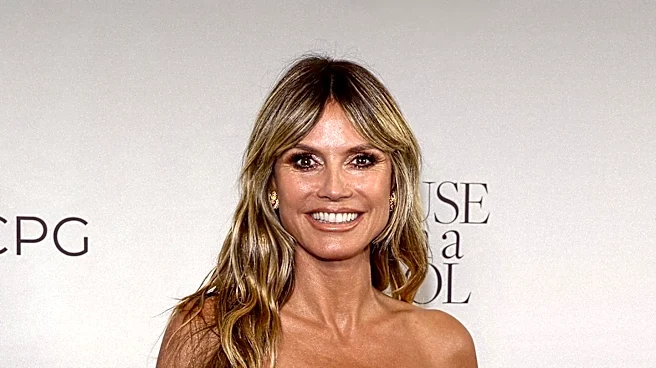
A new beauty trend, dubbed the 'tired girl' aesthetic, is gaining significant traction on TikTok, celebrating natural imperfections rather than concealing them. This trend, exemplified by figures like Lily-Rose Depp, promotes a look characterized by a sallow
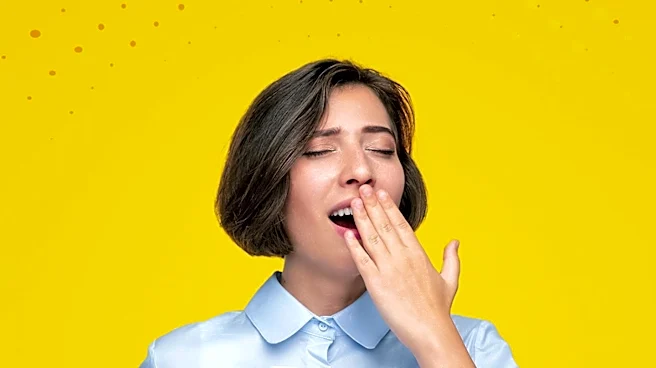
complexion, dark under-eyes, and a slightly disheveled appearance. Historically, beauty standards have focused on hiding signs of fatigue with products like concealer and brightening powders. However, the 'tired girl' movement actively rejects this, suggesting that reality can be beautiful and that a less-than-perfect appearance signifies authenticity rather than neglect. Thousands of young women on social media are sharing their interpretations of this style, demonstrating how a 'didn't get enough sleep' look can be both elegant and intentional. The trend is seen as a form of modern self-expression, moving away from overly curated and controlled aesthetics towards a more genuine presentation.
Why It's Important?
This trend is important as it signifies a notable shift in beauty standards, particularly among younger demographics influenced by social media platforms like TikTok. For decades, the beauty industry has thrived on selling products designed to correct perceived flaws and achieve an idealized, often unattainable, image of perfection. The 'tired girl' aesthetic challenges this by validating and even glamorizing natural signs of fatigue, potentially reducing pressure on individuals to constantly appear flawless. This could lead to a broader acceptance of diverse appearances and a more inclusive definition of beauty. Economically, this shift might impact the sales of certain cosmetic products traditionally used for concealing, while potentially boosting products that enhance natural features or create a 'lived-in' look. Socially, it encourages authenticity and self-acceptance, fostering an environment where individuals feel more comfortable embracing their natural state, which could have positive implications for mental well-being and body image.
What's Next?
The continued evolution of the 'tired girl' trend could lead to further diversification in beauty product development and marketing strategies. Cosmetic companies may begin to focus more on products that enhance natural features or create subtle, effortless looks, rather than solely on concealment. We might see an increase in marketing campaigns that celebrate authenticity and natural beauty, moving away from heavily retouched images. This trend could also influence fashion, promoting more comfortable and relaxed styles that complement the 'effortlessly disheveled' aesthetic. Furthermore, as this trend gains momentum, it may inspire other sub-trends that similarly challenge conventional beauty norms, pushing the industry towards greater inclusivity and realism. The long-term impact could be a more permanent shift in societal perceptions of beauty, where naturalness and individuality are valued over artificial perfection.
Beyond the Headlines
Beyond its immediate impact on beauty and fashion, the 'tired girl' trend reflects a deeper cultural commentary on the pressures of modern life and the desire for authenticity in an increasingly digital world. In an era dominated by carefully curated online personas, this trend offers a counter-narrative, suggesting that it's acceptable, even fashionable, to show signs of being overwhelmed or simply human. It subtly critiques the relentless pursuit of perfection often amplified by social media, encouraging a more relaxed and honest self-presentation. This movement could be interpreted as a form of quiet rebellion against the constant demand to be 'on' and perfectly polished, resonating with individuals who feel exhausted by these expectations. It highlights a growing appreciation for vulnerability and realness, potentially fostering a more empathetic and less judgmental social environment where imperfections are not just tolerated but celebrated as part of one's unique identity.