
What's Happening?
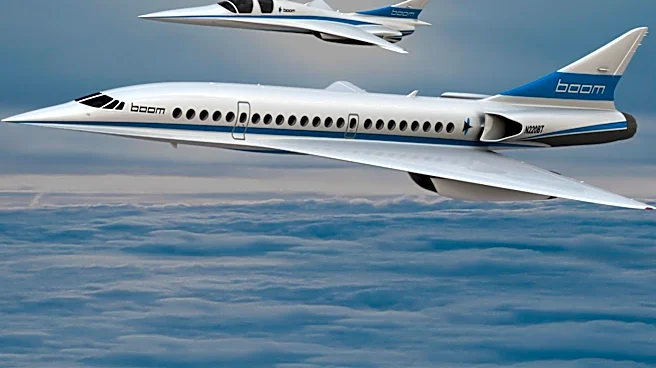
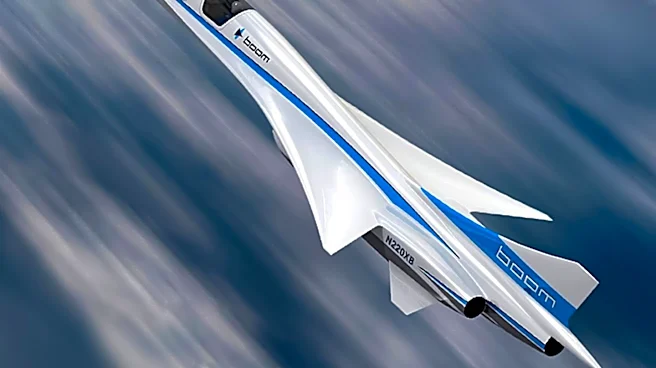
The return of supersonic flight is being explored with a focus on minimizing the disruptive sonic booms that have historically hindered its development. NASA and companies like Boom Supersonic are working on innovative solutions to make supersonic travel
viable again. NASA's X-59 aircraft aims to reduce the intensity of sonic booms through advanced aircraft design, while Boom Supersonic is exploring 'Mach cutoff' techniques to prevent booms from reaching the ground. These efforts are part of a broader initiative to reintroduce supersonic travel by addressing noise concerns, which have been a significant barrier to its widespread adoption.
Why It's Important?
Reviving supersonic flight could revolutionize air travel by significantly reducing travel times. However, the challenge of sonic booms has been a major obstacle. By developing quieter supersonic technologies, the aviation industry could overcome regulatory and public acceptance hurdles, paving the way for faster, more efficient air travel. This advancement could have substantial economic implications, potentially boosting the aviation sector and creating new opportunities for international travel and commerce.
What's Next?
The FAA is working on new regulations to accommodate supersonic flight, with plans to finalize standards by mid-2027. NASA's ongoing tests with the X-59 and Boom Supersonic's development of the Overture aircraft are critical steps in this process. The success of these initiatives could lead to a new era of supersonic travel, with potential implications for global connectivity and economic growth. Continued collaboration between regulatory bodies, aerospace companies, and research institutions will be essential to achieving these goals.