






What's Happening?
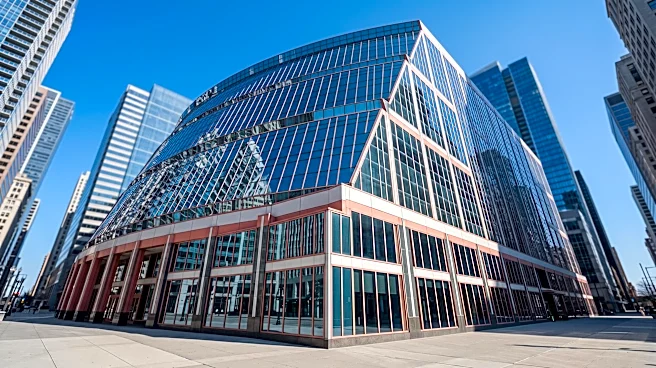
Morningstar, an investment firm, has announced its decision to move its global headquarters and approximately 1,500 employees to the James R. Thompson Center in Chicago. This move will make Morningstar a significant tenant alongside Google, which is currently
renovating the former state office building into its new Chicago headquarters. Morningstar's current global headquarters is located about two blocks south and east of the Thompson Center, across Daley Plaza. The company, founded and chaired by Chicago Fire FC owner Joe Mansueto, expects to relocate to the Thompson Center in late 2028, following Google's anticipated completion of renovations in the same year. In conjunction with this relocation, Morningstar has also pledged a $5 million philanthropic commitment to Chicago non-profit organizations over the next five years. A substantial portion of this, $4 million, will be allocated to a fund managed by the United Way of Metro Chicago, aimed at supporting organizations that provide job training and financial literacy education to Chicago residents. This fund is projected to begin distributing grants starting next year.
Why It's Important?
Morningstar's decision to move its global headquarters to the Thompson Center is a significant development for Chicago's business landscape and urban revitalization efforts. The relocation of a major investment firm like Morningstar, bringing 1,500 employees, will contribute to the economic vibrancy of the Loop area, especially as it joins Google in anchoring the redeveloped Thompson Center. This move signals continued corporate confidence in downtown Chicago as a hub for major businesses. Furthermore, Morningstar's $5 million philanthropic commitment underscores a growing trend of corporate social responsibility, directly benefiting Chicago's communities. The focus on job training and financial literacy through the United Way of Metro Chicago fund addresses critical societal needs, potentially empowering underserved populations and fostering economic mobility within the city. This initiative could serve as a model for other corporations looking to integrate community investment with their business operations, creating a positive ripple effect on local non-profits and workforce development programs.
What's Next?
Morningstar anticipates moving into the James R. Thompson Center in late 2028, aligning with Google's projected completion of renovations for its new Chicago headquarters. In the interim, the $4 million fund managed by the United Way of Metro Chicago, part of Morningstar's $5 million philanthropic commitment, is expected to commence making grants to non-profit organizations next year. This will initiate the flow of resources to programs focused on job training and financial literacy for Chicagoans. Over the next five years, Morningstar will continue to disburse its philanthropic pledges, supporting various local non-profits. The integration of Morningstar and Google into the Thompson Center will likely transform the building into a dynamic corporate hub, potentially attracting other businesses and further stimulating economic activity in the surrounding Loop area. Stakeholders will be observing the impact of these corporate relocations on the downtown real estate market and the broader economic development of Chicago.
Beyond the Headlines
The co-location of Morningstar and Google in the redeveloped Thompson Center represents more than just a physical move; it symbolizes a strategic convergence of financial technology and innovation in the heart of Chicago. This concentration of leading firms could foster a synergistic environment, potentially leading to new collaborations, talent attraction, and the acceleration of technological advancements within the financial sector. The philanthropic commitment by Morningstar, particularly its focus on financial literacy and job training, highlights a deeper recognition of corporate responsibility in addressing systemic inequalities. This initiative could contribute to bridging the wealth gap and enhancing economic opportunities for Chicago residents, thereby strengthening the social fabric of the city. The revitalization of the Thompson Center itself, a landmark building, through the presence of these prominent companies, also signifies a broader trend of repurposing existing urban infrastructure to meet modern corporate needs, blending historical preservation with contemporary economic development.