





What's Happening?
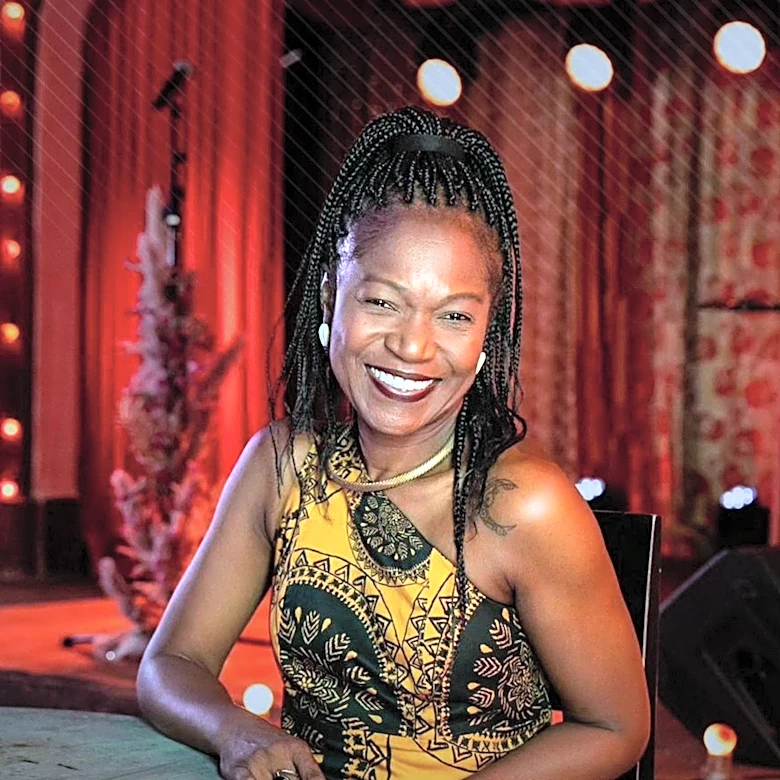
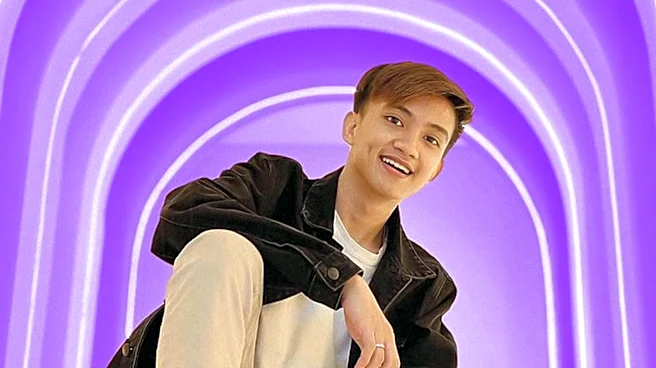
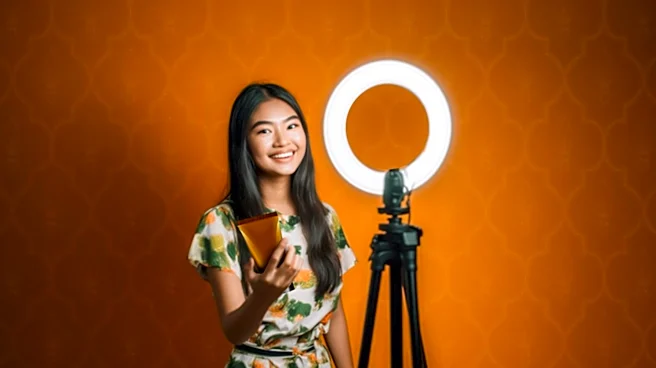
The fashion and beauty industries are significantly altering their approach to influencer marketing, moving away from the traditional model of featuring a single celebrity face per campaign. Instead, brands are now distributing their marketing budgets
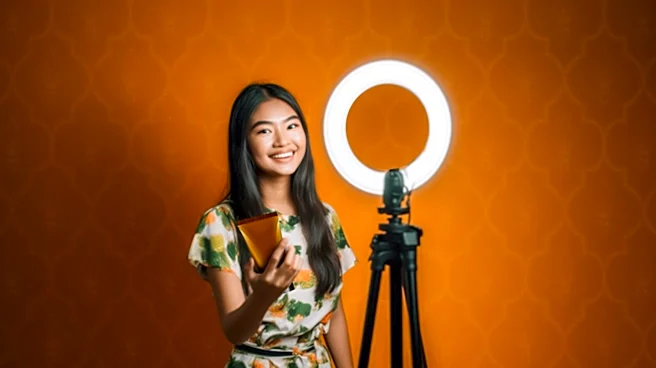
across dozens, or even hundreds, of creators. This strategy emphasizes the importance of micro- and nano-creators, who, despite having smaller followings, boast highly engaged communities. These smaller creators now account for nearly 46% of U.S. influencer spending, demonstrating their effectiveness in fostering stronger engagement and audience response. The global spend on creator partnerships has tripled since 2020, reaching approximately $34 billion, with the broader creator economy projected to nearly double by 2027. This shift is driven by a recognition that consumer attention is scattered across numerous digital feeds, and trust is more readily placed in relatable voices than in traditional advertisements.
Why It's Important?
This transformation is crucial for U.S. fashion and beauty brands as it directly impacts their ability to connect with modern consumers. The focus on authenticity and trust, delivered through a diverse array of creators, allows brands to penetrate niche markets and build deeper relationships with their target audiences. For consumers, this means more diverse and relatable content that often feels like a recommendation from a trusted friend rather than a direct advertisement. The economic implications are significant, with brands reporting an average return of $5.78 for every dollar invested in micro- and macro-influencers. This performance-driven approach, where contracts are increasingly tied to clicks, conversions, and sales, makes influencer marketing a more accountable and justifiable investment for businesses. Specialist agencies, like Clark Influence, are becoming vital in orchestrating these complex multi-creator campaigns, ensuring brand messaging is consistent yet authentic across various platforms.
What's Next?
The trend of integrating multiple creators into marketing campaigns is expected to intensify, with brands continuing to refine their strategies for identifying, collaborating with, and measuring the impact of a diverse creator pool. We will likely see further innovation in how celebrity endorsements are layered with creator content, allowing famous faces to set the tone while a constellation of trusted creators translates that message to specific communities. The emphasis on performance-based deals will continue to grow, pushing for more sophisticated analytics and measurement tools to track ROI effectively. Fashion brands, which initially lagged behind beauty in adopting this model, are expected to further embrace creator-led content, recognizing its ability to lend new life to heritage labels and connect with audiences on a more personal level. The role of specialist agencies in managing these intricate campaigns will become even more critical.
Beyond the Headlines
This shift in influencer marketing reflects a broader societal change in how influence is perceived and consumed. It underscores a growing consumer preference for authenticity and relatability over aspirational distance, challenging the traditional power dynamics of advertising. The rise of micro- and nano-creators highlights a democratization of influence, where individuals with genuine connections to their communities can rival the impact of global celebrities. This also brings ethical considerations to the forefront, particularly regarding the transparency of sponsored content and the potential for blurred lines between genuine recommendations and paid promotions. Culturally, it signifies a move towards a more participatory and decentralized media landscape, where brand narratives are co-created and disseminated through a multitude of voices, fostering a more dynamic and interactive relationship between brands and consumers.