





What's Happening?
Bouldering, a form of rock climbing without ropes or harnesses, is gaining popularity, with many enthusiasts transitioning from indoor gyms to outdoor environments. This shift necessitates learning specific outdoor safety skills and adapting to natural
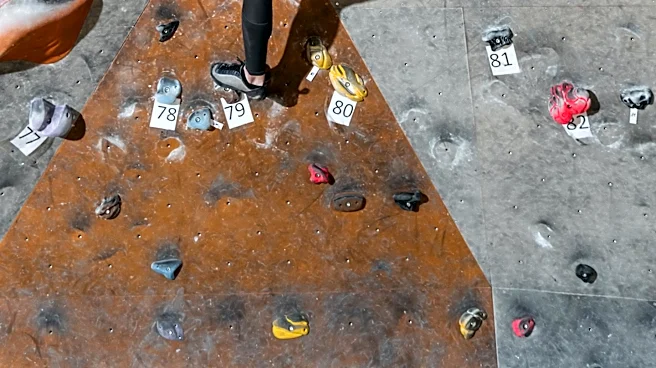
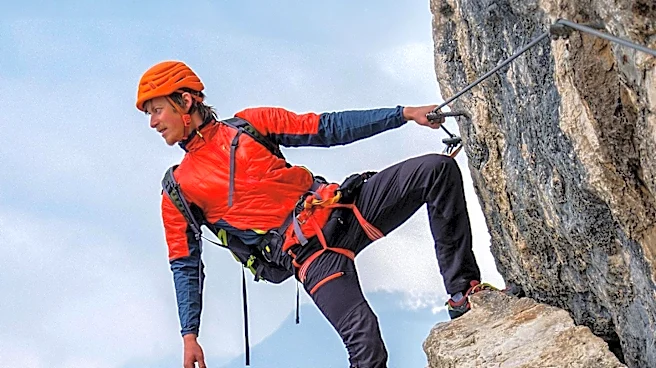
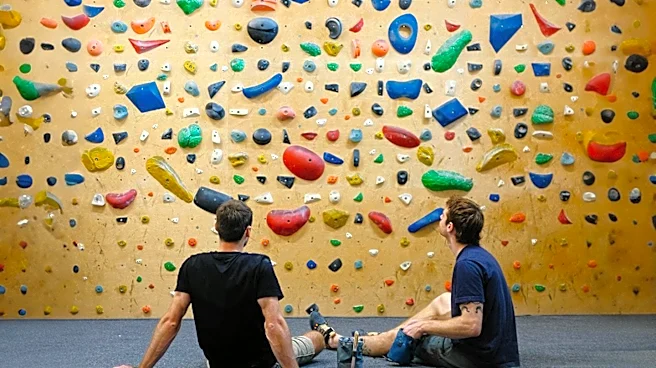
rock formations. While indoor climbing focuses on pre-set routes and colored holds, outdoor bouldering demands the ability to 'read' the rock, identifying natural features like edges, cracks, and texture changes as holds. This transition involves understanding how different rock types, such as limestone, granite, and sandstone, require varied climbing techniques. Safety in outdoor bouldering includes mastering the placement of crash pads, recognizing safe landing zones, and effectively spotting other climbers. The physical and motor skills developed indoors are transferable, but the visual and environmental cues are distinct, requiring climbers to acclimate to the natural setting and its inherent challenges.
Why It's Important?
The growing interest in outdoor bouldering highlights a significant trend in recreational sports, emphasizing a deeper connection with nature and a broader skill set beyond gym-based activities. This transition impacts the outdoor recreation industry, driving demand for specialized equipment like crash pads and professional instruction for safe outdoor practices. For individuals, it offers enhanced physical and mental challenges, fostering problem-solving skills and adaptability. However, it also introduces new safety considerations, as outdoor environments lack the controlled conditions of indoor gyms. The need for proper training in outdoor safety, such as understanding landing zones and spotting techniques, becomes paramount to prevent injuries. This shift also influences local economies near popular bouldering sites, potentially increasing tourism and demand for related services, while also raising awareness about environmental conservation and responsible outdoor recreation.
What's Next?
As more climbers move from indoor bouldering to outdoor rock, there will likely be an increased demand for certified outdoor climbing instructors and guided experiences. This will lead to the development of more structured training programs focused on outdoor-specific skills, including risk assessment, environmental awareness, and advanced safety protocols. Equipment manufacturers may also see a rise in demand for specialized outdoor gear, such as more durable crash pads and portable bouldering accessories. Additionally, local communities near popular bouldering areas may need to implement better infrastructure and regulations to manage increased visitor traffic, ensure environmental protection, and maintain safety standards. The climbing community will continue to emphasize the importance of progressive learning, encouraging climbers to start with easier outdoor problems and gradually build their experience and skills.
Beyond the Headlines
The transition from indoor to outdoor bouldering reflects a broader societal trend towards experiential and nature-based recreation, moving beyond structured, artificial environments. This shift has ethical implications regarding environmental stewardship, as increased outdoor activity necessitates a greater responsibility to preserve natural climbing areas. It also underscores the psychological aspect of confronting uncontrolled environments, where fear of falling and exposure to natural elements become significant factors. The development of outdoor bouldering skills fosters a deeper appreciation for natural landscapes and promotes a more holistic approach to physical activity, integrating mental resilience with physical prowess. This evolution in climbing also highlights the importance of mentorship and community in transmitting essential safety knowledge and ethical practices, ensuring that the sport grows sustainably and responsibly.