






What's Happening?
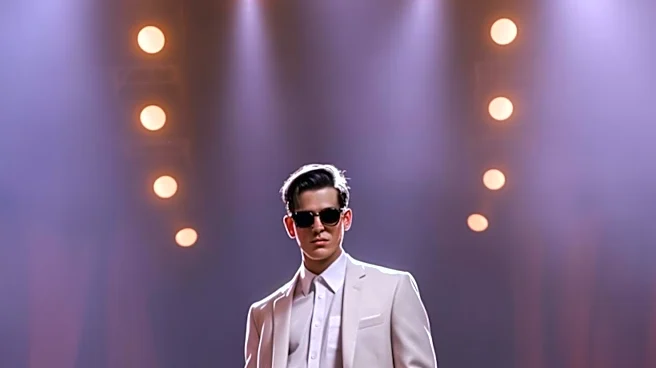
Gucci, the Italian luxury fashion house, is rolling out a new store concept, first previewed during Milan Fashion Week in September 2026. For its Spring/Summer 2027 runway show, Gucci constructed a simulated store within the Allianz MiCo convention center,
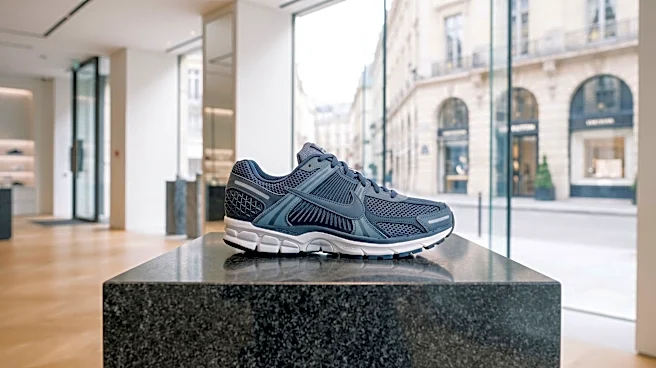
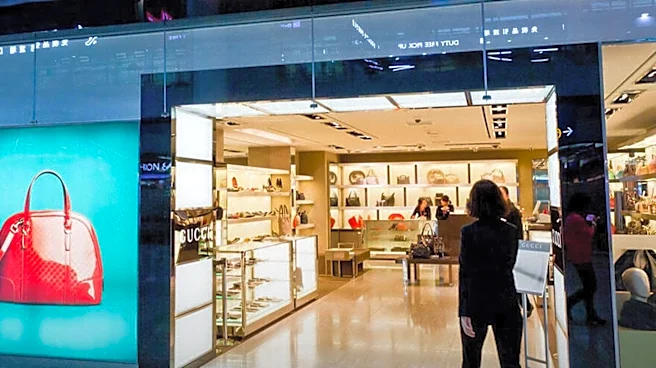
which served as a teaser for its future retail designs. This new concept has since been implemented in real-world locations, including a flagship store on Avenue Montaigne in Paris and a new womenswear boutique in London's Harrods department store, which opened on November 13, 2026. The design ethos, led by artistic director Demna, emphasizes Italian roots, drawing inspiration from midcentury Milanese decor, rationalist architecture, and the spatial logic of Italian Renaissance palazzos. The Harrods boutique, spanning 109 square meters, features warmer walnut paneling and terrazzo finishes alongside monolithic travertine and stone surfaces, aiming for an intimate atmosphere where collections are integrated into the architecture to encourage customer exploration.
Why It's Important?
This strategic rollout of a new store concept by Gucci signifies a significant investment in its physical retail presence and brand identity. In an increasingly digital retail landscape, luxury brands are focusing on creating immersive and unique in-store experiences to attract and retain high-end clientele. The emphasis on Italian heritage and architectural grandeur aims to reinforce Gucci's luxury positioning and differentiate it from competitors. By integrating products within the store's design rather than simply displaying them, Gucci seeks to enhance the customer journey, making shopping a more engaging and discovery-oriented experience. This move could set a new standard for luxury retail design, influencing how other high-end brands approach their physical spaces and customer interaction, ultimately impacting consumer expectations within the luxury market.
What's Next?
Gucci plans to continue rolling out its new store concept worldwide throughout 2027. This global expansion suggests a comprehensive brand refresh across its retail footprint. Future openings will likely follow the design principles established in Paris and London, adapting them to local contexts while maintaining a consistent brand aesthetic. The success of these new stores will be closely watched by the luxury fashion industry, potentially influencing future retail strategies for other brands. Furthermore, the integration of architectural elements and product display could evolve, with Gucci potentially experimenting with new technologies or interactive elements to further enhance the in-store experience as the concept matures globally.
Beyond the Headlines
The new store concept reflects a broader trend in luxury retail where physical spaces are becoming more than just points of sale; they are evolving into experiential hubs that embody the brand's narrative and values. Gucci's approach, which blends historical Italian design with modern luxury, speaks to a desire for authenticity and heritage in an era of rapid change. This strategy also highlights the enduring importance of brick-and-mortar stores for luxury brands, even as e-commerce grows. By creating 'museum-like' or 'palazzo-like' environments, Gucci is not just selling products but offering an immersive cultural experience, reinforcing the emotional connection between the brand and its discerning customers. This could lead to a re-evaluation of retail space as a form of brand storytelling and cultural curation within the luxury sector.